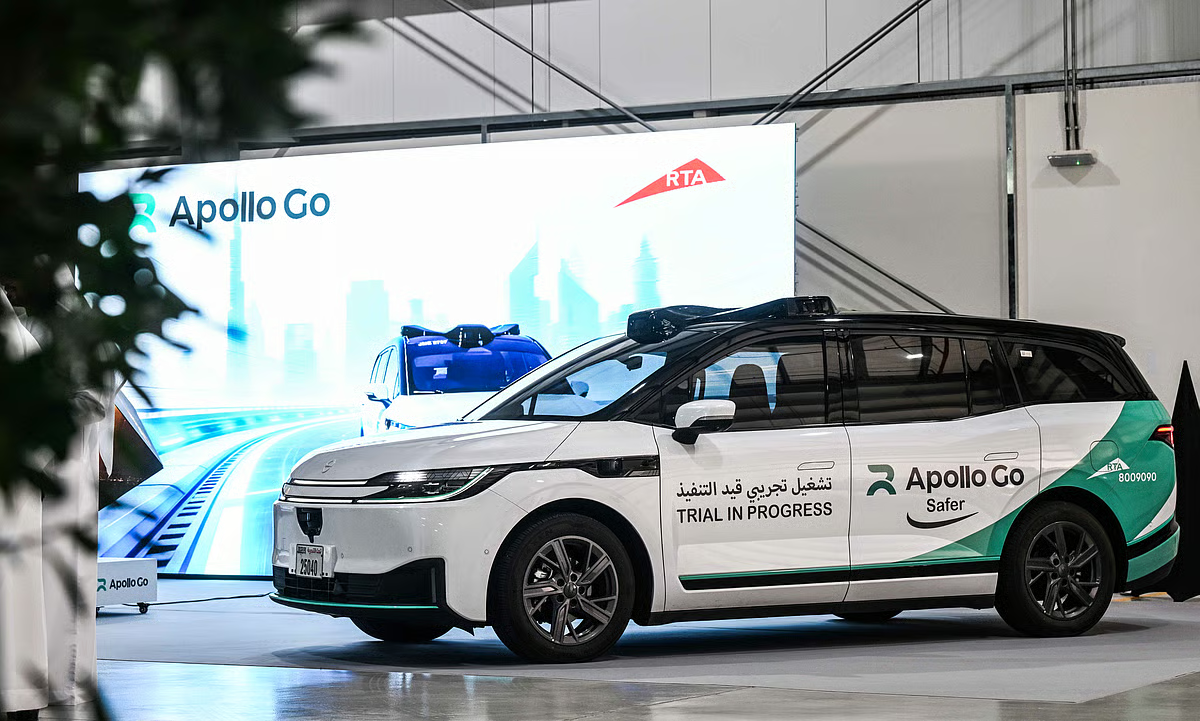
Dubai’s Roads and Transport Authority has formally outlined the first operational geography for its Dubai driverless taxi programme, confirming 65 designated pick-up and drop-off points as part of the Phase 1 rollout. The move follows a series of regulatory and operational milestones, including the issuance of the emirate’s first full autonomous driving permit and the opening of a dedicated control centre for driverless operations earlier this year.
Officials said the rollout reflects years of technical testing and coordination between the authority and private-sector partners, positioning Dubai among the first cities globally to move autonomous taxis closer to large-scale public use.
Table of Contents
Phase 1: scale, zones and timeline
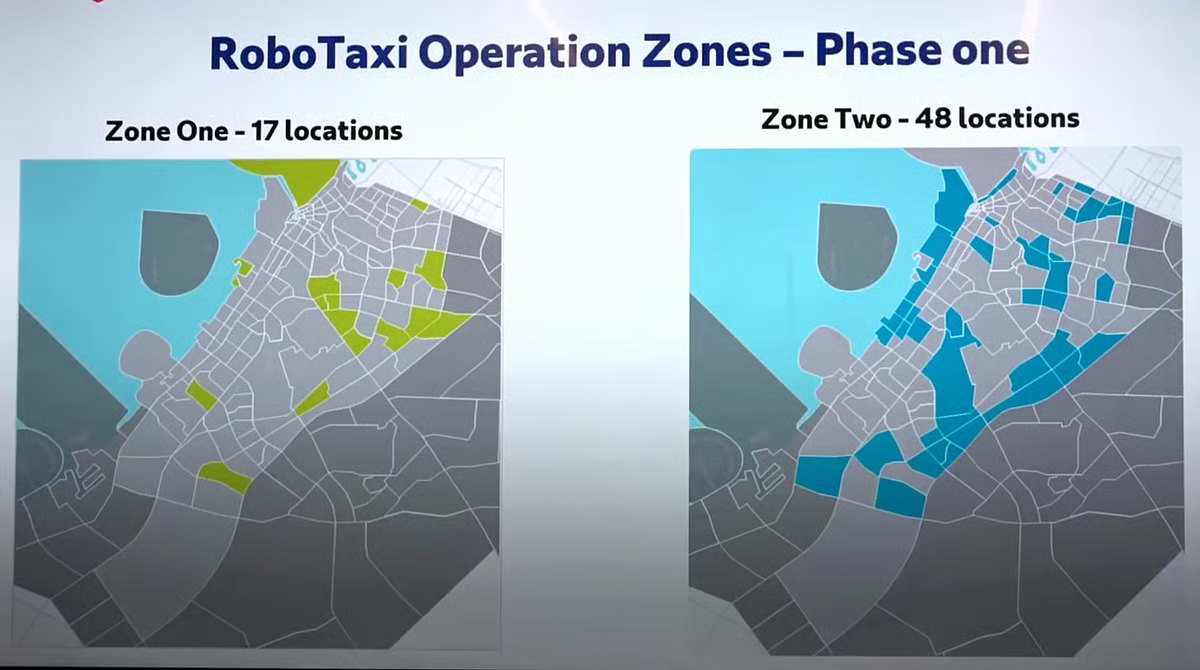
According to the authority, Phase 1 includes 17 locations in Zone One and 48 locations in Zone Two. These areas span Jumeirah, Al Wasl, Umm Suqeim, Al Manara and Al Safa, with coverage focused on residential neighbourhoods, beachfront districts and high-demand commercial corridors.
The selected sites form part of a planned 15-kilometre autonomous transport corridor. While trial operations are already underway, full commercial deployment remains subject to final regulatory approvals. Current timelines indicate a public launch window in the first quarter of 2026, though officials have stressed that expansion will depend on performance benchmarks and safety assessments.
Operational control and permits
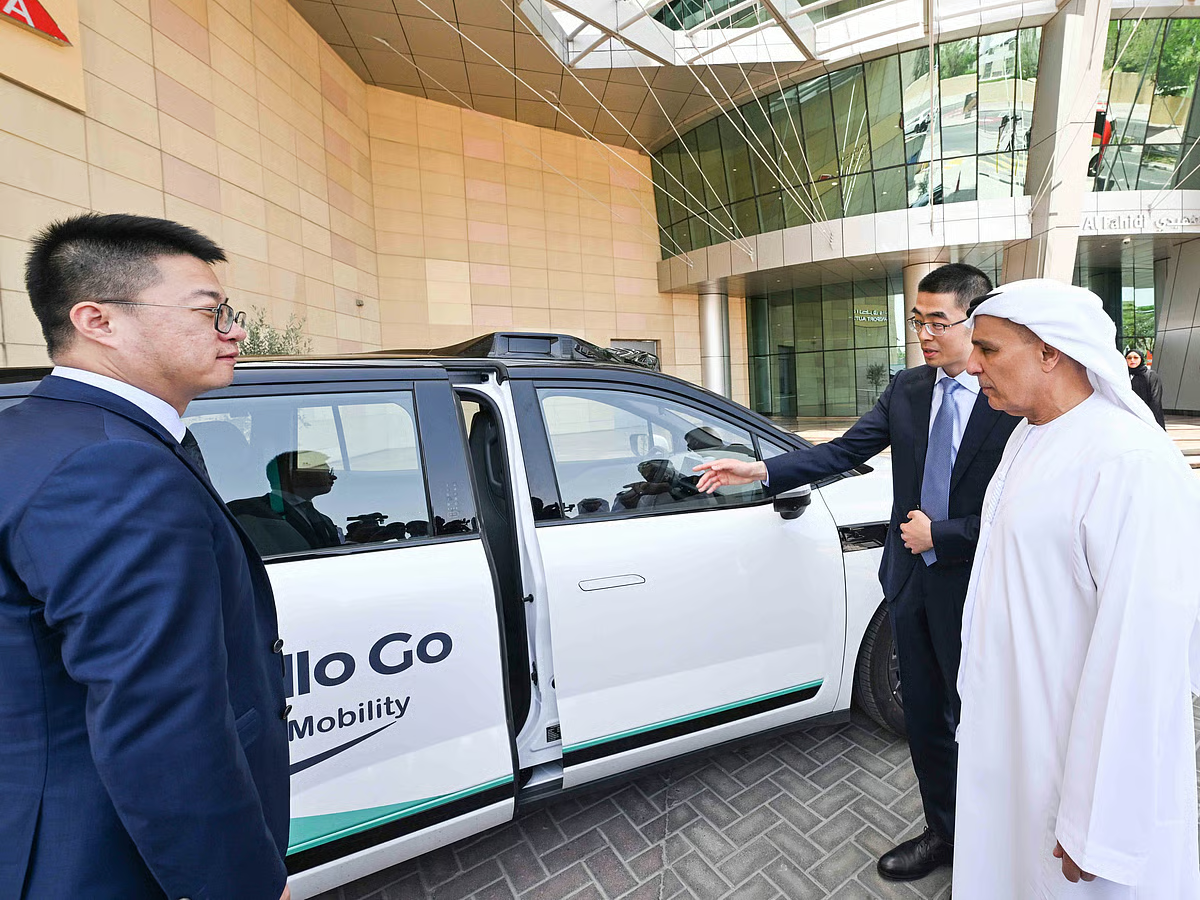
A key development in the programme came with the inauguration of Baidu Apollo Go’s autonomous vehicle operations and control centre at Dubai Science Park. Spanning approximately 2,000 square metres, the facility is the company’s first such centre outside China and serves as a central hub for fleet monitoring, remote supervision, vehicle charging and maintenance.
The authority has issued Baidu Apollo Go Dubai’s first permit for fully driverless testing without a safety driver on board. Earlier trial phases, conducted during mid-2025, involved around 50 RT6 autonomous vehicles operating on predefined routes. The operator has indicated longer-term plans to scale the fleet to over 1,000 vehicles as the programme matures.



Who is operating, and how riders will book
Dubai’s autonomous taxi ecosystem involves multiple technology partners. WeRide, in partnership with Uber, has already introduced limited robotaxi bookings through the Uber app in selected areas, including parts of Jumeirah and Umm Suqeim. These services currently operate under pilot conditions and remain geographically restricted.
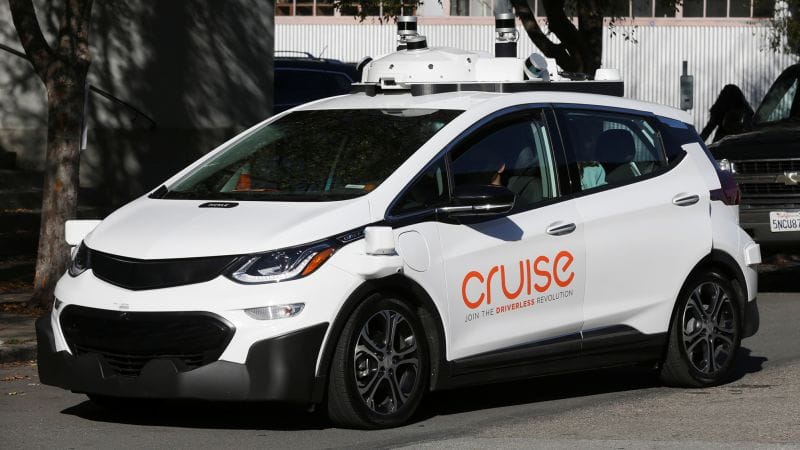
Other companies referenced in the programme include Cruise and Pony.ai, each contributing technology, mapping or pilot capabilities under RTA supervision. Booking methods for wider commercial services, particularly those operated by Baidu Apollo Go, are expected to be announced closer to launch, pending final approvals.
Safety, cost and distinction between providers
Safety remains the cornerstone of the rollout, with authorities emphasizing staged testing, real-time vehicle oversight and strict regulatory conditions. Operators point to extensive global testing mileage as part of their safety validation, alongside on-ground monitoring from control centres.
Pricing structures have not been formally disclosed. Early pilot rides have followed partner-app fare models, but unified pricing for commercial services has yet to be confirmed. Differences between Cruise, Baidu and WeRide largely lie in their autonomous driving stacks, sensor systems and fleet management approaches, factors that may shape user experience across different zones.