DUBAI — For anyone who’s spent their evenings watching a sea of red taillights on Hessa Street, Sunday marked a genuine turning point. The Roads and Transport Authority (RTA) officially opened Phase I of the Hessa Street Development Project on January 11, 2026, and honestly, it couldn’t have come sooner.
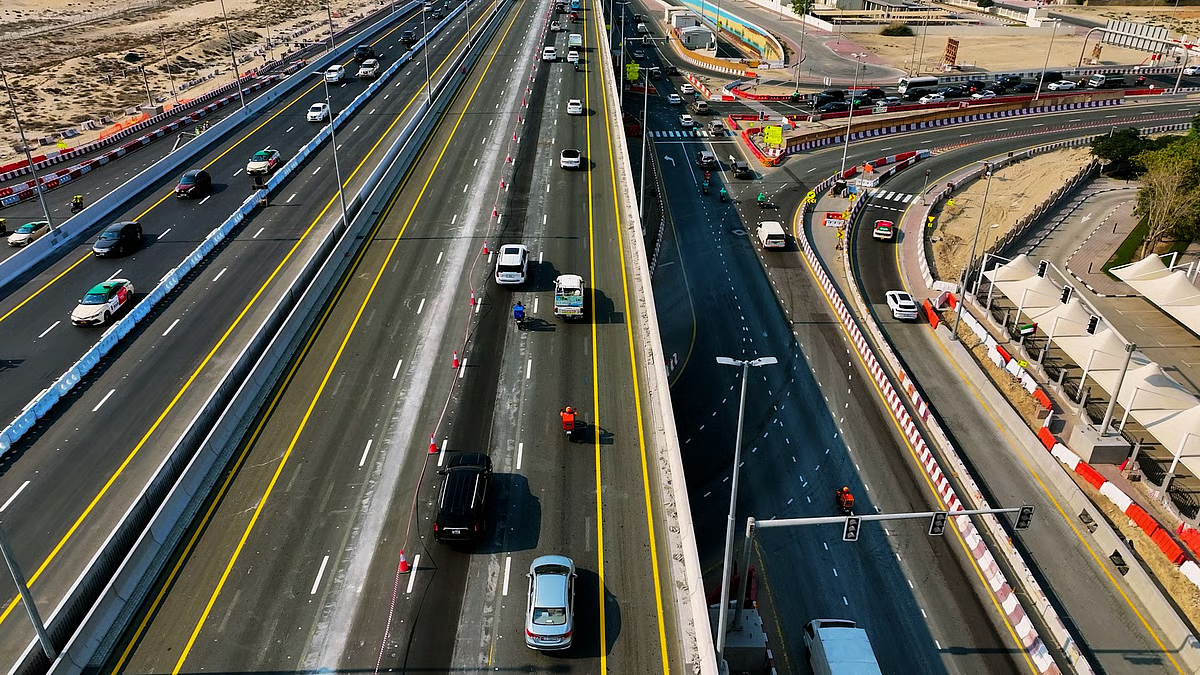
This isn’t just another road opening; it’s a massive exhale for the city’s network. The newly upgraded stretch runs 4.5 kilometres from the Sheikh Zayed Road intersection down to Al Khail Road. By widening the main artery and fixing those notoriously tricky interchanges, the project has effectively doubled the road’s capacity. For residents in Al Barsha, Jumeirah Village Circle (JVC), and Al Sufouh, the morning commute just got a lot less stressful.
Table of Contents
What Does Phase I Entail?
The RTA Hessa Street Phase I opening is the immediate fix we’ve been waiting for. The core of the work involved taking Hessa Street from two lanes to four in each direction. That bump takes the intake from 8,000 up to 16,000 vehicles per hour.
Here is what that actually looks like on the ground:
- Wider Bridges: The choke points are gone. We’re seeing expanded bridge capacities at the intersections with Al Asayel Street, First Al Khail Street, and Sheikh Zayed Road.
- Sheikh Zayed Road Intersection: There’s a new two-lane directional ramp bridge. It’s designed specifically to handle that heavy right-turning traffic coming off SZR onto Hessa Street (eastbound).
- First Al Khail Street Intersection: The bridge here has grown from three lanes to four, and the surface-level signals have been tweaked to keep things moving.
- Al Asayel Street Intersection: This was a major bottleneck. The capacity of the existing bridge has now doubled, jumping from two lanes to four in each direction.
Strategic Impact on Dubai Traffic
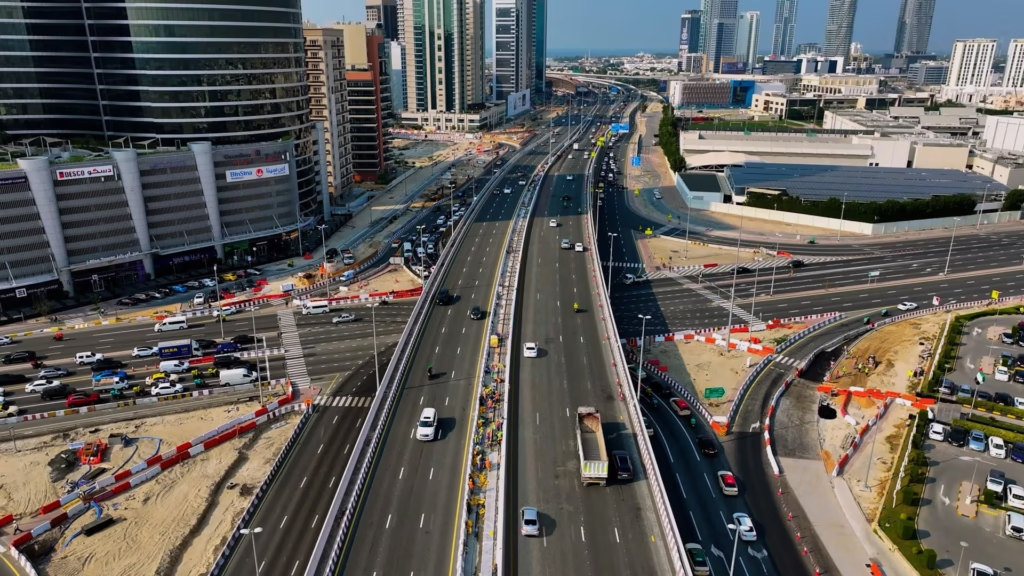
This Hessa Street upgrade in Dubai initiative is a huge piece of the puzzle. It’s part of that broader AED 690 million investment directed by Dubai’s leadership, aiming to keep infrastructure ahead of the city’s insane growth rate.
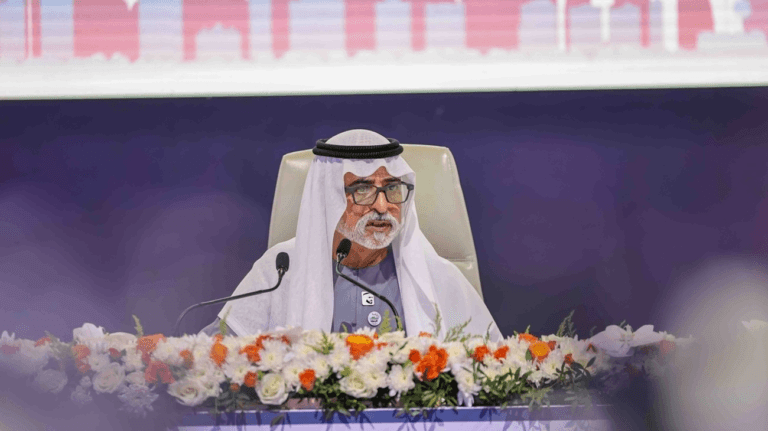
His Excellency Mattar Al Tayer, the Director General and Chairman of the Board of Executive Directors of the RTA, put it into perspective, noting the long-term thinking here.



“It constitutes a major road infrastructure development project serving several residential and development areas… The population of the areas served by the project is expected to exceed 640,000 residents by 2030,” Al Tayer stated.
And it’s not just about cars, which is refreshing. The project integrates a 13.5 km cycling and e-scooter track, 4.5 metres wide, connecting Al Sufouh to Dubai Hills. There’s now a dedicated 5-metre-wide bridge for cyclists and pedestrians crossing both Sheikh Zayed Road and Al Khail Road. It’s a solid move for first- and last-mile connectivity, linking right up to the Dubai Internet City Metro Station.
What’s Next for the Hessa Street Expansion?
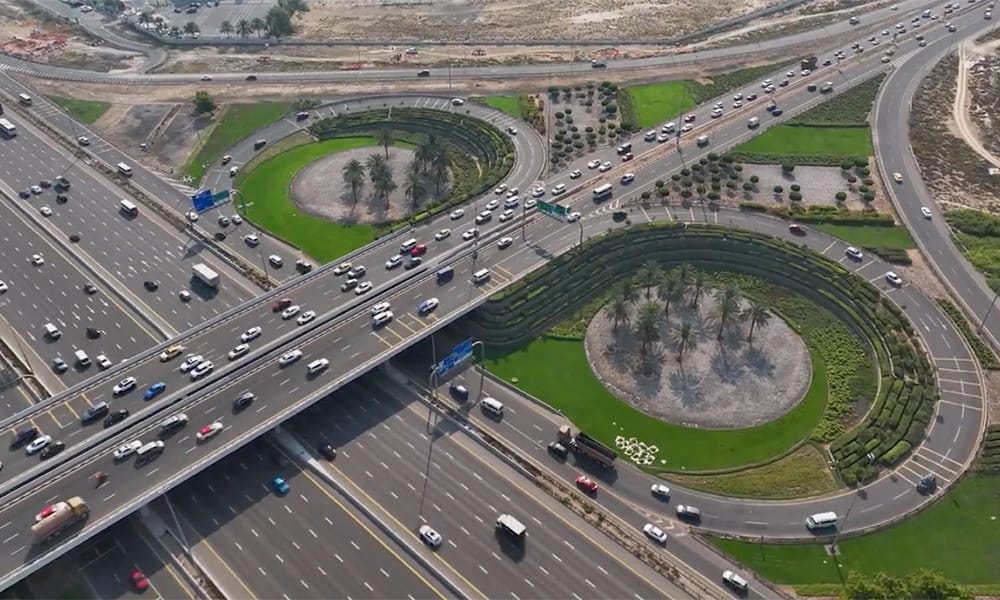
While the traffic is flowing much better on those widened lanes, we aren’t at the finish line just yet. The RTA confirmed that the Hessa Street Development Project sits at about 90% completion. The rest is on a fast track.
- Expected Completion: Q2 2026.
- Remaining Scope: We’re looking at final road works, some additional bridge refinements, intersection tweaks, and finishing up those cycling tracks.
This comes on the heels of the Al Khail Road intersection upgrade we saw late in 2024, which introduced that direct ramp for northbound traffic heading towards Sharjah.
Conclusion
The RTA road development Dubai strategy is delivering critical infrastructure exactly when we need it most. With Phase I now live, the daily drive should feel significantly lighter. As we inch toward the final completion later this year, the full Dubai road infrastructure project on Hessa Street is shaping up to be the vital link that supports the city’s growth for the next decade.