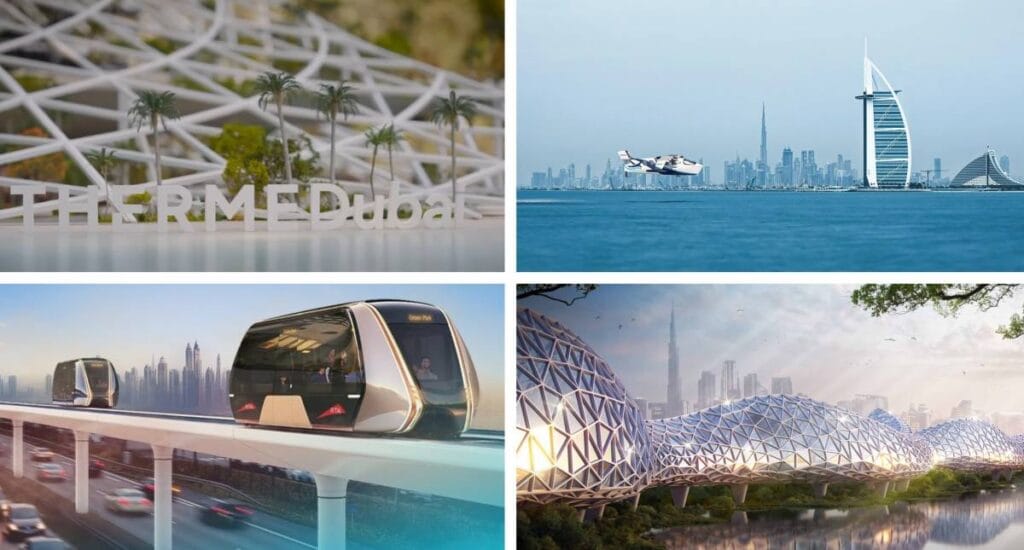
At the World Governments Summit 2026, a string of practical, resident-facing pledges landed for Dubai’s near future. These WGS 2026 announcements in the UAE promise faster commutes, greener streets and smarter infrastructure — and will affect how people move, live and use services across the emirate.
Table of Contents
Summit outcomes that matter now
At the World Governments Summit, officials turned high-level talk into concrete pilots and rollouts. The announcements were tightly focused on mobility, resilience and urban liveability — measures meant to reach residents within months, not years.
1. Driverless taxis: Baidu RT6 moves from demo to streets
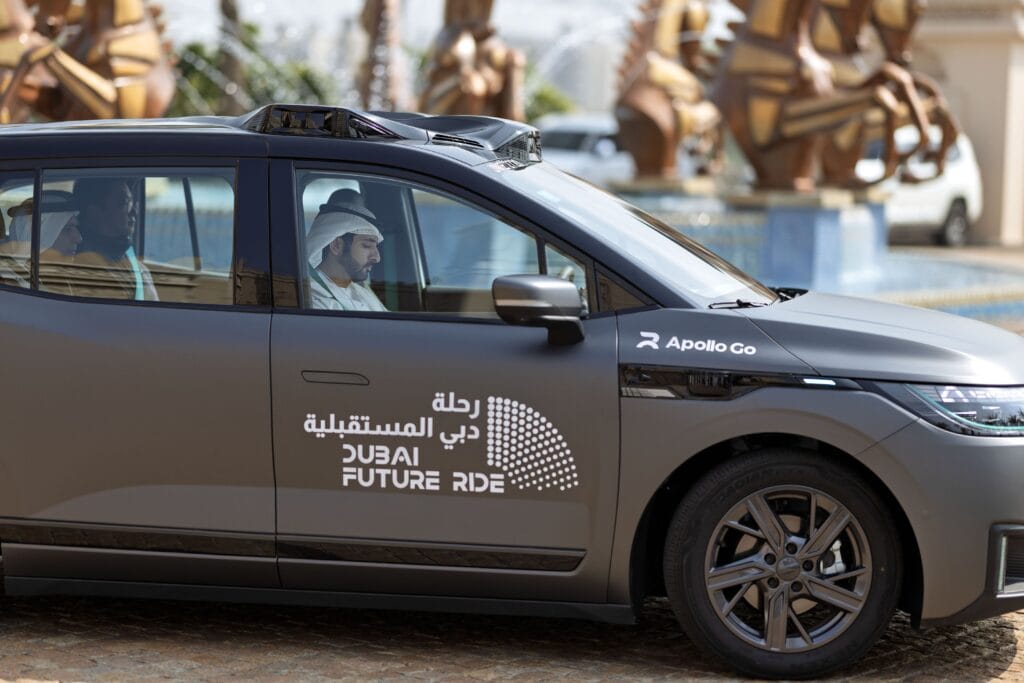
Dubai’s Roads and Transport Authority has confirmed the operational launch of fully driverless RT6 taxis developed with Baidu. The sixth-generation RT6 vehicles — fitted with more than 40 sensors — will be available on set routes this quarter, with an operations centre now open in Dubai Science Park to monitor the fleet. This marks a key step toward autonomous ride-hailing in the city.
2. Glydways autonomous pods for short trips
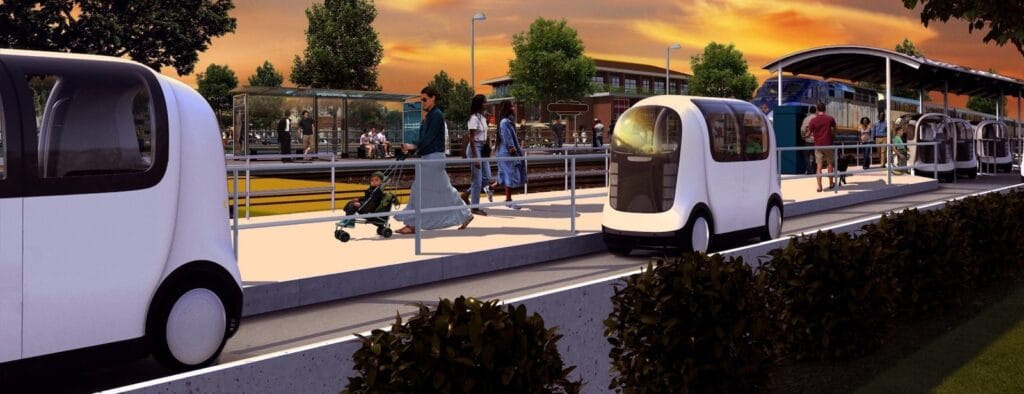
A cooperation agreement will bring the Glydways automated transit network to Dubai. The system uses small, six-seater electric pods on narrow guideways. Designed for short, point-to-point trips, the pods aim to reduce short car runs and feed metro stations. Pilot corridors were announced during the summit.
3. Dubai Loop Project 2026: high-speed underground link
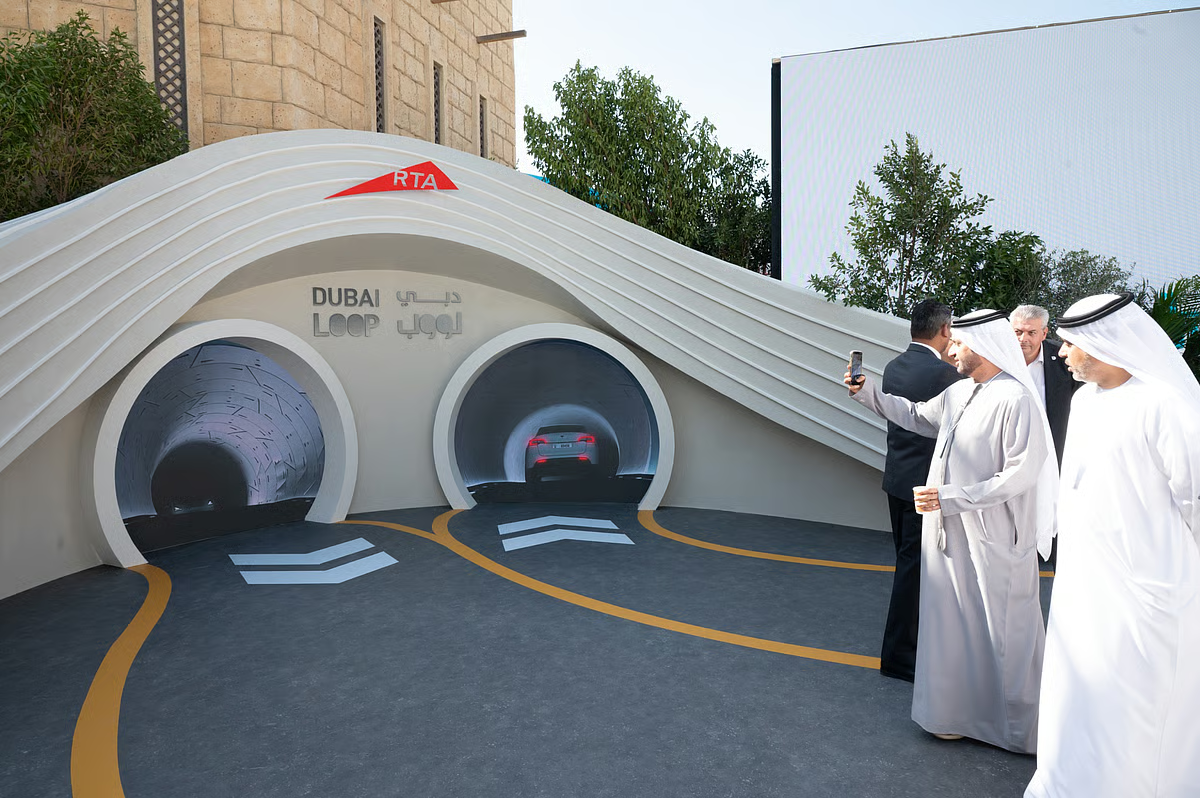
The first phase of the Dubai Loop — a high-speed, underground people-mover built with The Boring Company technology — will connect major hubs such as the DIFC and Dubai Mall. The 6.4-km pilot is expected to cut a 20-minute surface journey to roughly three minutes, offering a rapid, weather-protected alternative to surface travel.
4. The Sponge City model to manage water and heat
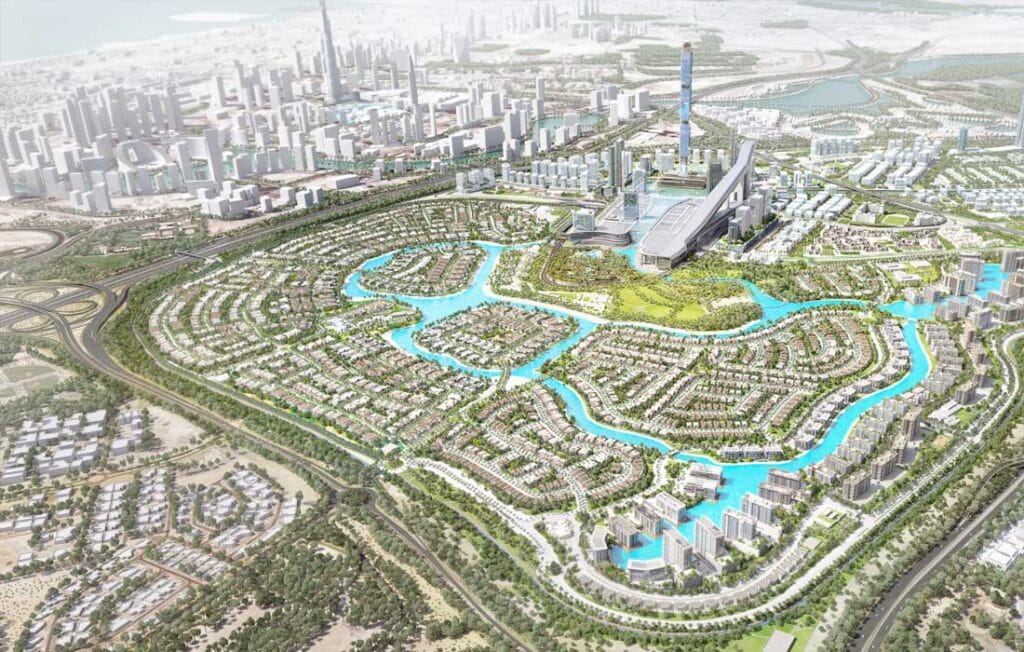
Dubai signed a cooperation agreement with Shenzhen’s urban planners to pilot the sponge-city urban model. The approach increases permeable surfaces, green roofs and underground storage to absorb and reuse rainwater, reduce flood risk and improve urban cooling. It’s part of a larger push to make the city more climate-resilient.



5. Blue and Green Spaces Roadmap 2030 — nature as infrastructure
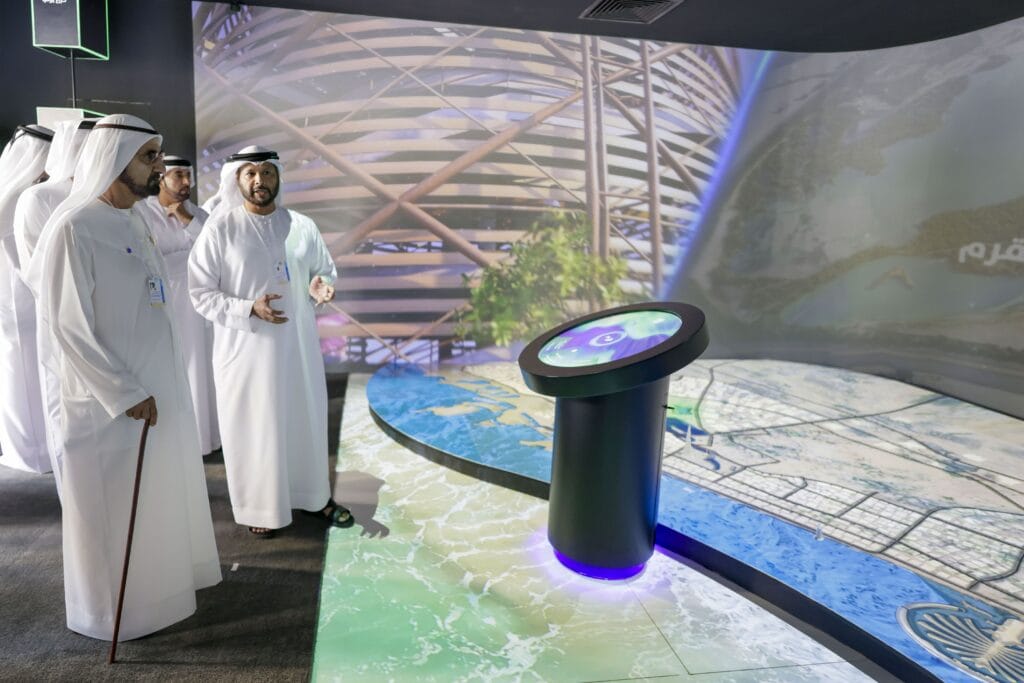
Dubai Municipality unveiled a Dh4 billion-plus Blue and Green Spaces Roadmap 2030. The plan targets 1.5 million new trees, 120 parks and a near trebling of walking and cycling routes by 2030. Officials say the programme will embed public spaces into everyday life, supporting health, ecology and leisure.
6. AI Virtual Engineer — DEWA’s network upgrade
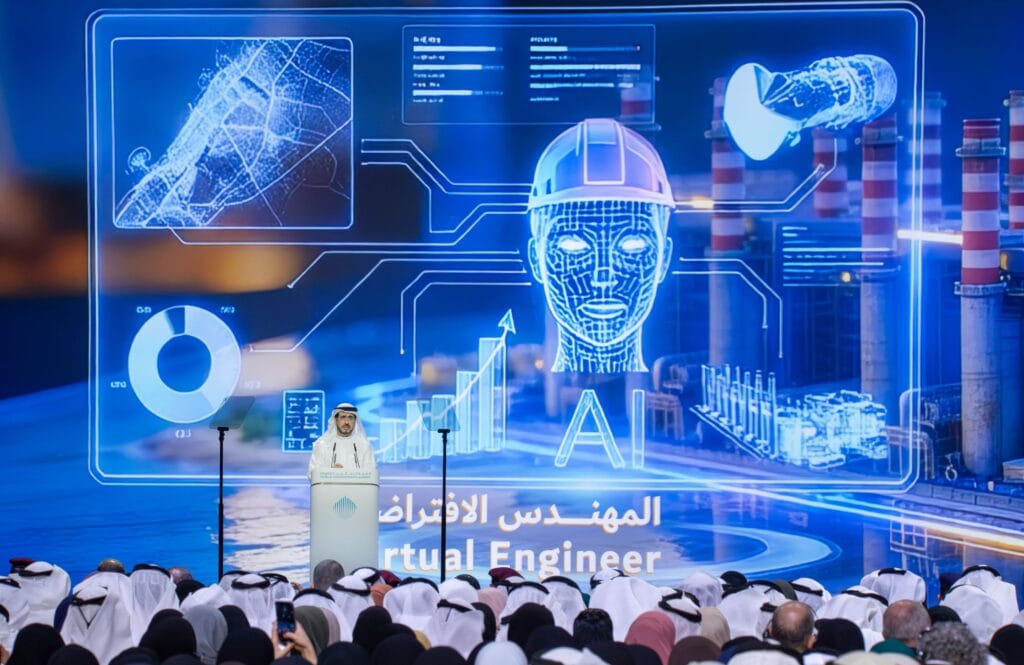
Dubai Electricity & Water Authority will deploy an AI virtual engineer to monitor and optimise the power network. The system promises better fault prediction, faster restoration and efficiency gains during peak demand months. DEWA says piloting starts this year and will be used to strengthen grid reliability.
Immediate Infrastructure & Mobility Rollouts
Most of these initiatives are entering pilot or early operational phases. Commuters may see Glydways pods and driverless taxis on limited corridors first. Park and waterfront upgrades will roll out in stages. Agencies say public trials will guide scaling decisions and safety rules.