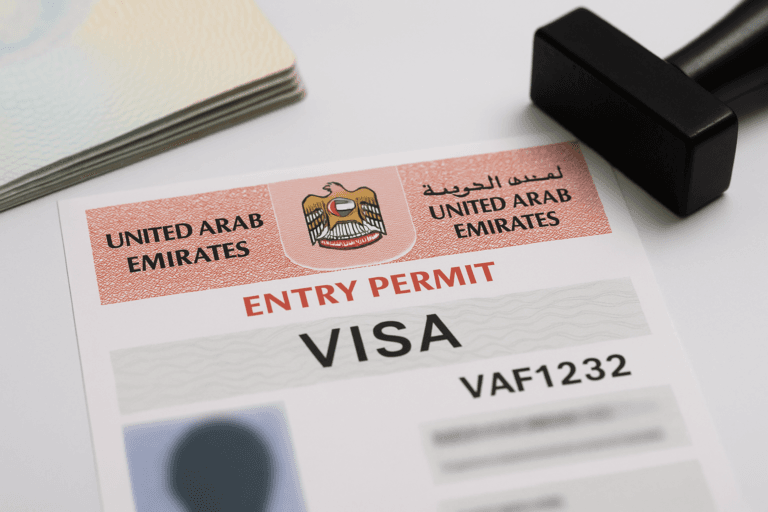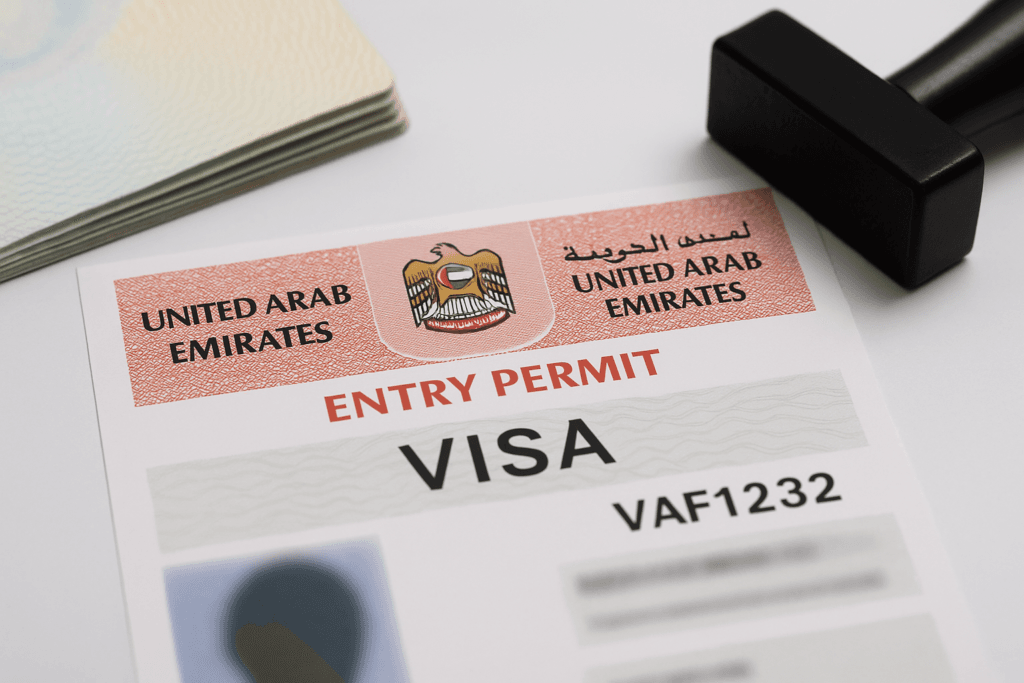
When a visa is not processed in time, overstaying can trigger daily fines, exit holds and delays to future visas. The fines are usually tied to the individual’s file, but employers can face action where negligence is proven. This guide explains current rules, timelines and remedies for residents and companies.
Table of Contents
Overstay rules under the UAE immigration law
UAE immigration requires residents to leave, renew or regularise their status before a visa expires or after it is cancelled. Staying beyond the permitted period is treated as overstaying and attracts financial penalties. The penalties are recorded on the individual’s residency file and Emirates ID, and must normally be cleared before exit or new applications.
Authorities referenced: Federal Authority for Identity and Citizenship and GDRFA Dubai.
Grace period after visa expiry or cancellation
Many residence and work visas include a grace period from the expiry or cancellation date. That window commonly runs from a few weeks up to several months, depending on visa type and recent policy updates. Officials advise checking your specific file and emirate system to confirm the exact grace period for your case.
Current overstay fine amounts
Current federal guidance shows that overstays fines are typically applied on a daily basis. Published updates set the standard daily rate at around AED 50 per day, though some emirate services list additional first-day or exit fees in certain cases. Fines continue to accumulate until the person leaves or legalises their status. Payment is required before departure or before a new visa is issued.



Primary liability: the visa holder

As a default position, the overstay fine is attached to the visa holder’s immigration record. This means the employee or sponsored resident is normally required to settle outstanding fines, even during job changes or visa transfers. Residents should monitor expiry dates independently, not just rely on employer updates.
Employer obligations after visa cancellation
Employers must act promptly when hiring, cancelling or transferring a worker’s permit. Required steps include cancelling old permits, filing labour paperwork and notifying immigration where needed. If an employer’s documented negligence — such as failing to file promised paperwork — causes the overstay, the worker may file a complaint with the Ministry. Liability for fines is not automatic; authorities weigh evidence, timelines and contracts before assigning responsibility. Ministry of Human Resources and Emiratisation.
Payment, waivers and exceptional cases
Fines can be checked and paid online via emirate portals and immigration centres. Some cases qualify for reduction or waiver, especially on humanitarian grounds or where officials find procedural error. Workers who believe an employer caused the delay should file a labour complaint with MOHRE and keep all written evidence, including email and application timestamps.
Quick checklist for residents and employers
- Check your visa expiry and system-recorded grace period now.
- Keep copies of all visa applications, receipts and employer correspondence.
- Pay outstanding fines before trying to leave or reapply for a visa.
- File a MOHRE complaint if your employer delayed processing and you have proof.
- Employers should cancel and report permits promptly to avoid administrative penalties.