ABU DHABI – The days of outdated penalties for wildlife smuggling are effectively over. In a major legislative update announced on Wednesday, January 7, 2026, the UAE government rolled out a comprehensive package of new federal laws that radically reshape how the country handles everything from agricultural quarantine to the trade of endangered species.
For anyone paying attention to the region’s environmental policy, this isn’t just a routine update. It is a complete overhaul. Replacing legislation that has been on the books for more than twenty years, these new rules bring the UAE Animal Trade Regulations in line with strict global standards, introducing heavy fines and prison time to ensure compliance.
Table of Contents
A Zero-Tolerance Approach: The New Wildlife Law
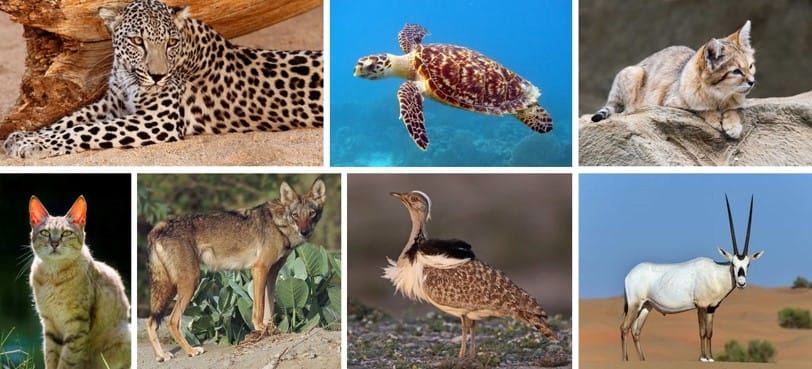
Perhaps the most striking change is the update to the UAE Wildlife Trade Law. It replaces Federal Law No. 11 of 2002, which, frankly, had fallen behind the sophisticated methods used by modern traffickers. The government is no longer relying on slap-on-the-wrist penalties.
Under the new decree, the stakes are incredibly high.
- Massive Financial Penalties: If you violate the new rules, you are looking at fines starting from Dh30,000 and climbing all the way to a Dh2 Million Wildlife Fine.
- Prison and Deportation: It’s not just about money. Offenders can face imprisonment, and for expats caught breaking these laws, deportation is now a mandatory consequence after serving their sentence.
- Immediate Seizures: Authorities at the border now have broader powers to seize illegal shipments on the spot.
- The “Falcon Passport”: The law gets specific, too. It introduces clear legal definitions for things like “Falcon Passports” and international phytosanitary certificates, making it nearly impossible to move protected species without a paper trail.
This brings the Emirates fully up to speed with UAE CITES Updates (Convention on International Trade in Endangered Species), closing the loopholes that smugglers have historically tried to exploit.
Rethinking Veterinary and Plant Security
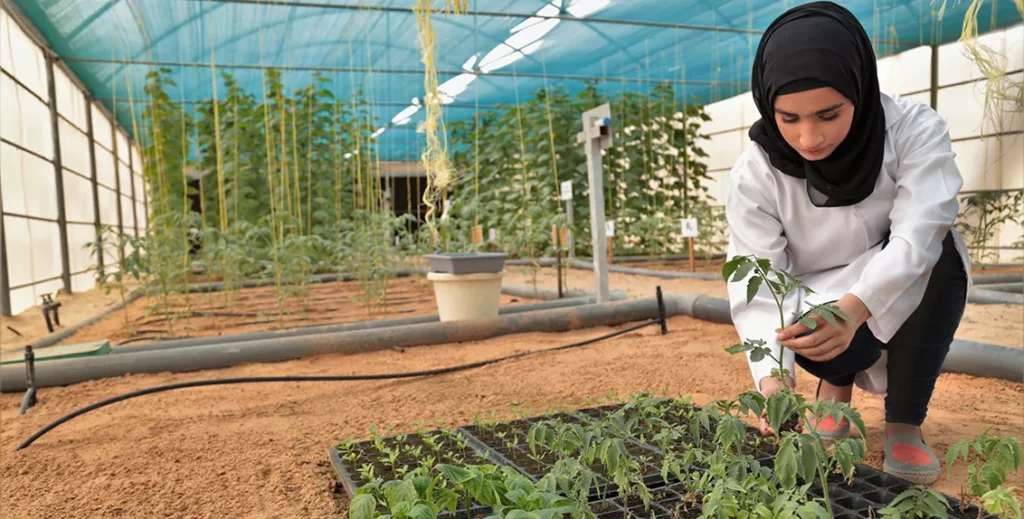
While the wildlife fines grab the headlines, the updates to agricultural and veterinary safety are just as critical for daily life here. The government is clearly prioritizing biosecurity—keeping our food supply safe and preventing the spread of diseases.



Veterinary Quarantine Overhaul
We have been operating under a veterinary law since 1979. That’s nearly half a century old. The new Veterinary Quarantine Law finally repeals it.
- Controlled Entry: You can no longer bring animal consignments through just any port; they must enter through specific, MOCCAE-approved border points.
- Faster Bans: If a disease breaks out halfway across the world, the Ministry now has the authority to slap an immediate ban on imports from that region. It allows for a much faster reaction time than before.
Plant and Animal Protection UAE
On the flora side, the Endangered Species Law UAE framework has been expanded to protect the rights of those who actually grow and breed plants.
- Rights for Breeders: If you develop a new plant variety, the law now protects your intellectual property for 20 years. For trees and vines, that protection stretches to 25 years.
- Quarantine Enforcement: Ignoring agricultural quarantine rules isn’t a minor infraction anymore. Violators risk fines up to Dh500,000. It’s a harsh deterrent, but necessary to stop pests that could devastate local farms.
Conclusion
This legislative package is a clear signal that the UAE is moving from “regulation” to strict “enforcement.” With the threat of a Dh2 Million Wildlife Fine and the tightening of Plant and Animal Protection UAE protocols, the message is blunt: the borders are closed to illegal trade. For logistics companies, pet owners, and traders, now is the time to double-check every permit. You do not want to be the one testing these new laws.