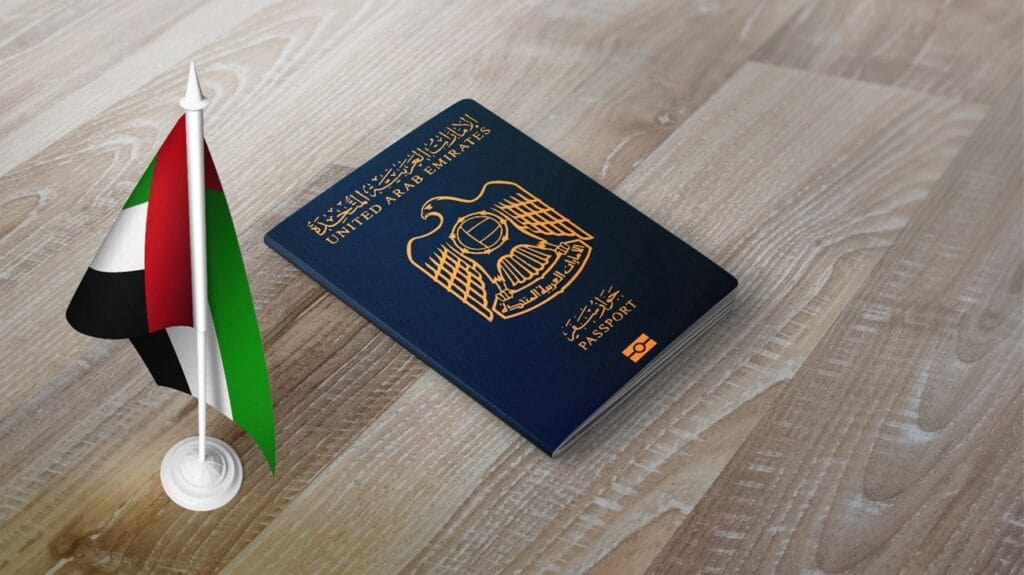
The United Arab Emirates has posted one of its strongest showings yet in global mobility rankings. In the latest Henley Passport Index 2026, the UAE passport has climbed to fifth place worldwide, a position few would have predicted two decades ago.
The jump is not incremental. It reflects years of quiet diplomatic groundwork, expanding travel arrangements, and a steady broadening of international trust. Today, the UAE stands among the world’s most mobile nations, holding one of the strongest passports of 2026 — and the undisputed leader in the Middle East.
Table of Contents
What the New Ranking Means
At a glance, the figures are striking. Look closer, and the scale of the shift becomes clearer.
Key highlights of the UAE passport ranking 2026 include:
- Global position: 5th strongest passport worldwide, matching several established European nations.
- Travel access: Visa-free or visa-on-arrival entry to 184 countries and territories.
- Historic movement: A 57-place rise over 20 years, the largest climb ever recorded on the Henley index.
- Long-term growth: An additional 149 destinations unlocked since 2006, reflecting sustained diplomatic expansion.
- Regional standing: The most powerful passport in the Middle East in 2026.
What stands out is not just where the UAE sits now, but who it has moved past. Traditional heavyweights — including the UK, the US, Canada, and Australia — now trail behind in global mobility terms.
UAE Passport vs Singapore Passport 2026
Singapore continues to hold the top position globally, with access to 192 destinations. The gap, however, is narrower than it once seemed.
- UAE passport (5th): Access to 184 destinations
- Singapore passport (1st): Access to 192 destinations
That comparison matters. Not long ago, the UAE was grouped with mid-ranking travel documents. Today, it sits within touching distance of the world’s most powerful passport — a shift driven more by strategy than speed.
What Drives the UAE’s Passport Strength
That’s where the longer view becomes important.
Specialists point to a mix of deliberate policy choices and global engagement. The UAE has spent years building bilateral relationships, signing reciprocal travel agreements, and positioning itself as a stable, neutral partner across regions.
Visa policy reforms played their part. So did consistent diplomatic outreach. But equally significant has been the country’s ability to sustain trust, even as global mobility tightened elsewhere.



Henley & Partners has described the UAE’s rise as unmatched in pace, noting that few countries have translated long-term foreign policy vision into concrete travel access so effectively.
Who Benefits from the UAE Passport in 2026
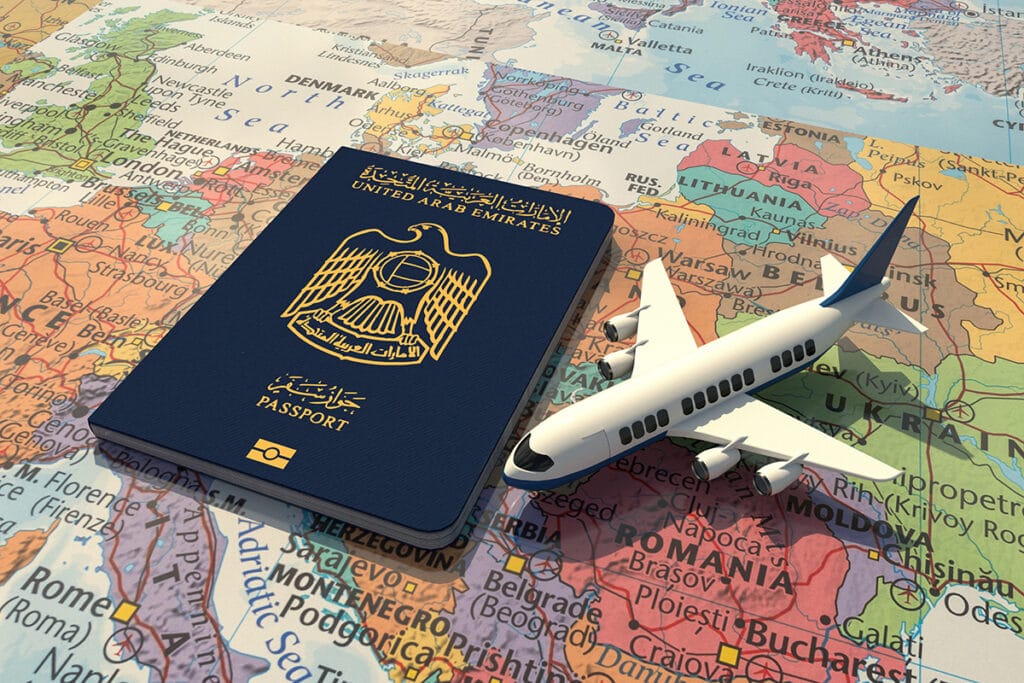
Emirati citizens now enjoy smoother access across Europe, Asia, the Americas, Africa, and Oceania. That opens doors — not just for holidays, but for business expansion, educational opportunities, and cultural exchange.
For many families, it also removes layers of friction that once came with international travel. Fewer applications. Less waiting. More flexibility.
How to Get UAE Citizenship 2026
It’s worth separating passport strength from citizenship access.
The UAE does not operate open citizenship-by-investment schemes. Citizenship remains tightly regulated and is granted primarily through government-approved pathways tied to long-term residence, exceptional service, or national contribution.
Eligibility and approvals fall under federal nationality laws and Interior Ministry regulations, and decisions remain highly selective.
Conclusion
The UAE passport ranking in 2026 is more than a milestone statistic. It signals how far the country has come in reshaping its global footprint.
Rising to fifth place on the Henley Passport Index 2026 places the UAE among a small group of nations where mobility reflects long-term policy consistency rather than short-term gain. The real change here is not the number itself, but what it represents: confidence, credibility, and a passport that increasingly opens doors without question.