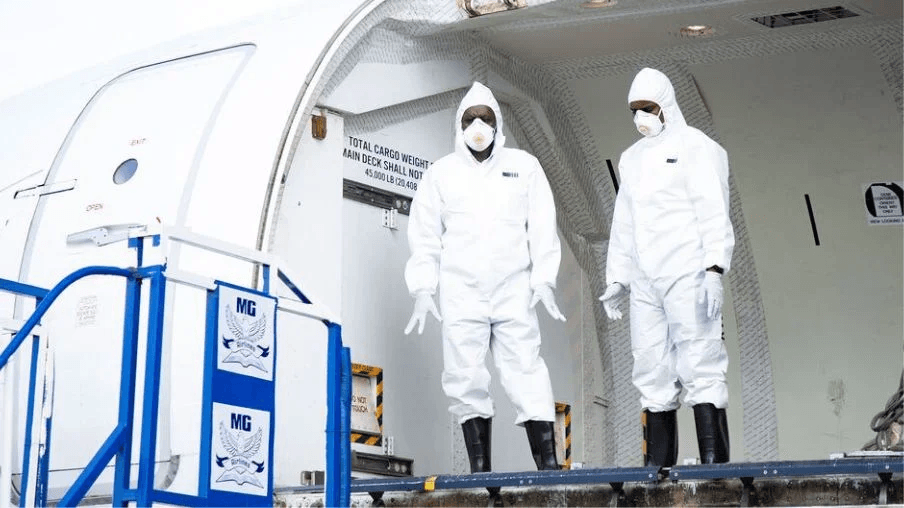
DUBAI: The Ministry of Health and Prevention has issued an updated travel advisory for residents travelling abroad, setting out precautionary measures to reduce the risk of Ebola infection amid ongoing outbreaks in parts of Africa.
The guidance comes as the UAE maintains a stable public health situation with no confirmed cases recorded domestically, while coordinating closely with international partners on surveillance and preparedness.
Table of Contents
Ministry of Health and Prevention Issues Updated Ebola Travel Advisory
The advisory targets UAE residents planning overseas trips and stresses the need for vigilance in regions reporting Ebola activity. It forms part of broader efforts to protect travellers and maintain the country’s high levels of health readiness.
The Ministry has highlighted that the current outbreak, linked to the Bundibugyo strain and centred in the Democratic Republic of the Congo and Uganda, has been classified by the World Health Organization as a public health emergency of international concern, although the overall global risk remains assessed as low.
Five Precautionary Measures Recommended for UAE Travellers
Residents are advised to review the latest travel advisories before departure and to follow health guidance issued by destination countries. The advisory further emphasises maintaining good personal hygiene and avoiding contact with individuals who may be infected or with contaminated surfaces and materials.
Monitoring health during and after travel, together with seeking immediate medical advice if symptoms develop, completes the recommended steps. Travellers are also urged to inform healthcare providers of any recent travel history upon seeking care.
Early Symptom Monitoring and Hygiene Measures Highlighted
Ebola symptoms typically appear between two and 21 days after exposure and may initially include fever, fatigue, headache, muscle pain, weakness, vomiting, diarrhoea, sore throat and abdominal pain. In severe cases the illness can progress to internal or external bleeding, organ failure and shock.



The Ministry has underlined the importance of strict personal hygiene practices and avoiding contact with infected wildlife or contaminated animal products as part of the preventive approach.
Travel Restrictions and Visa Measures Applied to Affected Regions
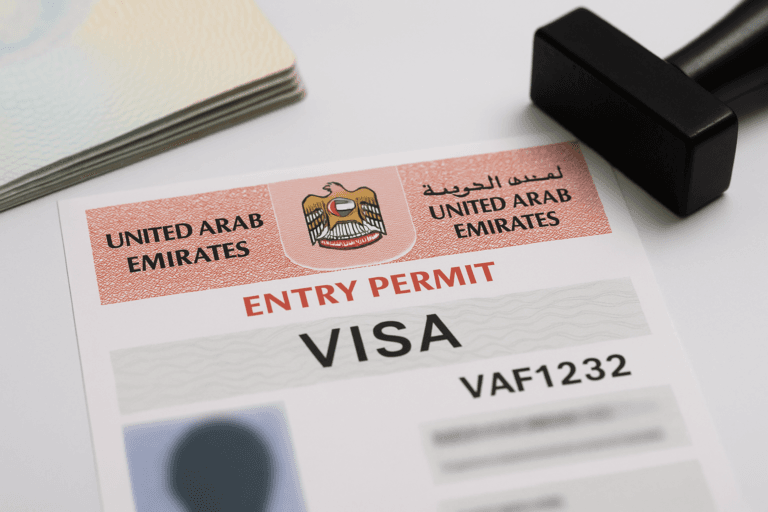
The Ministry of Foreign Affairs has recommended against non-essential travel to the Democratic Republic of the Congo, Uganda and South Sudan. From 6 June 2026, the UAE has suspended new visas and entry for nationals of these countries, with limited exceptions for those who have spent more than 21 days outside the listed nations prior to arrival.
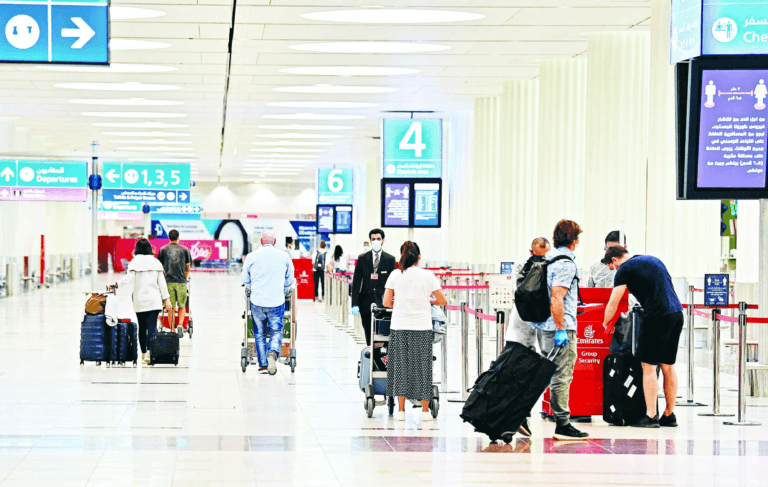
These measures align with enhanced screening and risk assessment protocols already in place at entry points.
UAE Maintains High Surveillance and International Coordination
The Ministry of Health and Prevention continues to operate advanced health surveillance systems and maintains close coordination with the World Health Organization and relevant international health authorities. No confirmed Ebola cases have been detected in the UAE to date.
These arrangements form part of the country’s ongoing commitment to safeguarding public health in line with federal regulations and global best practices.