Sharjah Islamic Bank’s 2025 results show the lender returned to a stronger footing, posting a net profit of about AED 1.3 billion. The rise, driven by bigger financing books and healthier fee income, comes as the bank readies a higher cash payout and a capital-raising plan that will matter to shareholders and market watchers.
Table of Contents
Sharjah Islamic Bank 2025 results — Profit growth
SIB recorded a net profit after tax of AED 1.32 billion for the year ended December 31, 2025, roughly 26% above the prior year. The lift was broad-based: income from Islamic financing, investments and sukuk climbed, and fees showed a marked improvement.
Fee and commission revenue in particular added momentum. That line of the business, quiet for a few years, suddenly started contributing more meaningfully to total operating income. Costs ticked up too — mainly on staff and technology — but overall operating performance improved.
Balance sheet expansion and asset quality improvement
Total assets reached about AED 90.3 billion, roughly a 14% increase year-on-year. Customer financing stood at AED 45.6 billion, while deposits moved up to about AED 55.7 billion.
The financing-to-deposit ratio stayed at a prudent 81.8%, and the bank reported better non-performing financing levels with stronger coverage. Taken together, these figures paint a picture of steady balance-sheet repair rather than a fleeting uptick.
Dividend proposal and capital increase plan
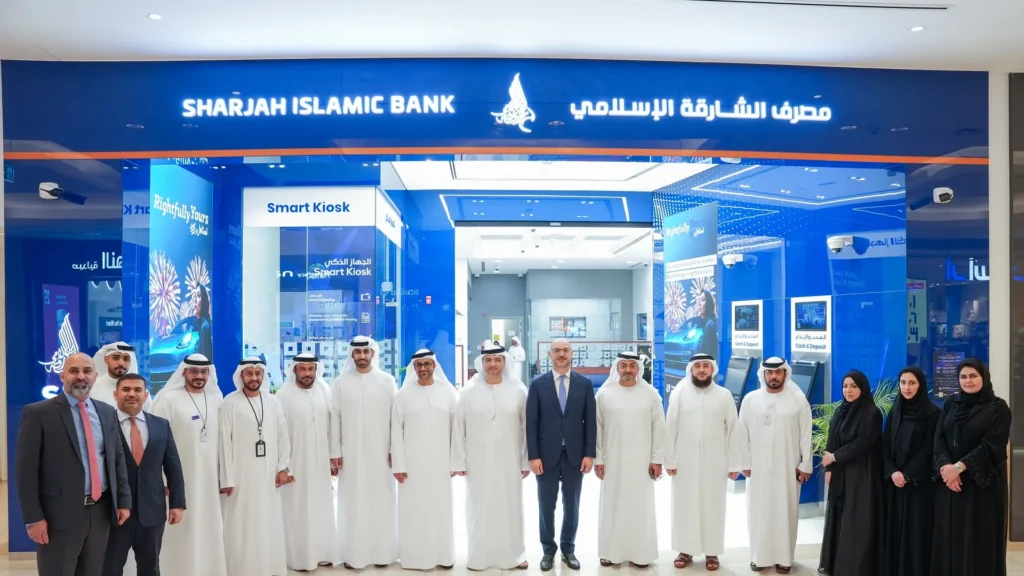
The board has proposed a 20% cash dividend for 2025, subject to shareholder and regulator sign-off. That’s a step up from last year’s payout and signals the bank is comfortable sharing gains with investors.



Alongside the dividend, the directors approved a proposed capital increase offering existing shareholders the right to subscribe to new shares. The move is pitched as a means to bolster capital buffers for growth and regulatory needs.
Islamic banking sector momentum in the UAE
SIB’s results sit alongside a wider trend among UAE Islamic banks, where steady financing demand and rising fee income helped push sector returns higher in 2025. Infrastructure projects, SME lending and retail activity have all played parts, even if the pace varies by bank.
Anyone who tracks this market knows these cycles — banks post better numbers when the economy nudges up, and impairments remain controlled. SIB appears to have captured that favourable tilt this year.
Sharjah Islamic Bank’s 2025 results are a solid, workmanlike recovery: higher financing and fee income lifted profits, the dividend proposal rewards shareholders, and the planned capital raise points to cautious expansion. The bank looks positioned to build on this momentum into the new financial year.