Somalia’s federal government moved decisively on January 12, 2026, announcing the cancellation of all agreements with the United Arab Emirates after what it described as repeated violations of national sovereignty. The sweeping decision targets port management, security cooperation and defence-related arrangements, and reflects growing unease in Mogadishu over foreign engagement conducted outside federal oversight. For Somalia’s leadership, the issue has become less about contracts and more about control.
Table of Contents
What did Mogadishu cancel and why?
The Council of Ministers confirmed that all UAE-linked agreements covering the ports of Berbera, Bosaso and Kismayo, along with associated security and defence cooperation, had been annulled with immediate effect. Officials said the government had reviewed multiple reports pointing to activities that bypassed Somalia’s federal institutions and undermined territorial authority.
That’s where the tone of the announcement shifted. Defence Minister Ahmed Moallim Fiqi framed the move not as a diplomatic gesture, but as a necessary correction. He said the agreements, as they stood, posed a direct risk to Somalia’s unity and political independence, language that signals how seriously the administration views the issue.
Key facts and dates:
- January 12, 2026: Somalia’s Council of Ministers formally cancels all UAE-related port, security and defence agreements.
- January 8, 2026: Authorities begin investigating the alleged unauthorised entry of Aidarous al-Zubaidi, leader of Yemen’s Southern Transitional Council, via Berbera airport.
- Somalia approves new legislation strengthening federal control over international agreements and limiting the ability of regional administrations to sign external deals independently.
Political Context and Regional Reactions
The cancellations did not happen in isolation. They come after months of friction between Mogadishu and regional authorities, particularly in Somaliland, where the UAE has long maintained commercial and strategic interests, most notably at Berbera port.
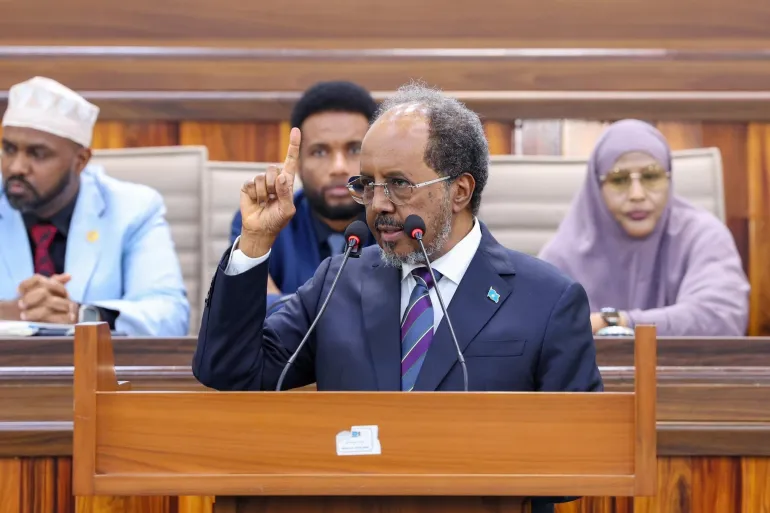
What this means, in practical terms, is a renewed clash between Somalia’s federal authority and regions that insist on managing their own foreign partnerships. President Hassan Sheikh Mohamud addressed the issue directly, saying the government could no longer tolerate external actors operating through regional channels while sidelining the federal state.
“The Council of Ministers has decided to annul all agreements entered into with the UAE, whether by the Federal Government or regional administrations, to safeguard our independence, national unity, and sovereignty,” the official statement read.
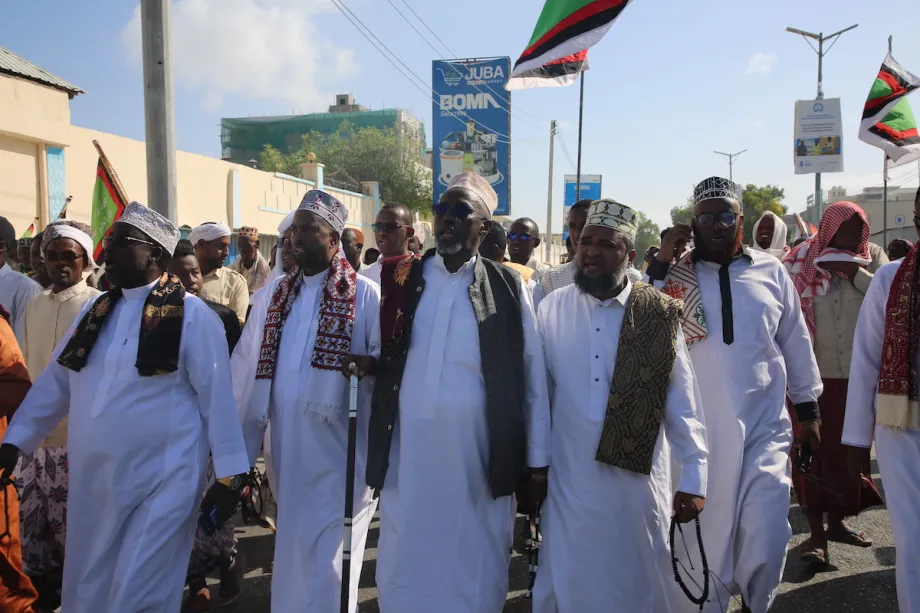
Regional administrations were quick to push back. Leaders in Puntland, Jubaland and Somaliland rejected the cabinet’s decision and said they would not recognise the cancellation of agreements signed under their jurisdictions. The disagreement, long simmering, is now openly political.



Immediate Diplomatic Fallout
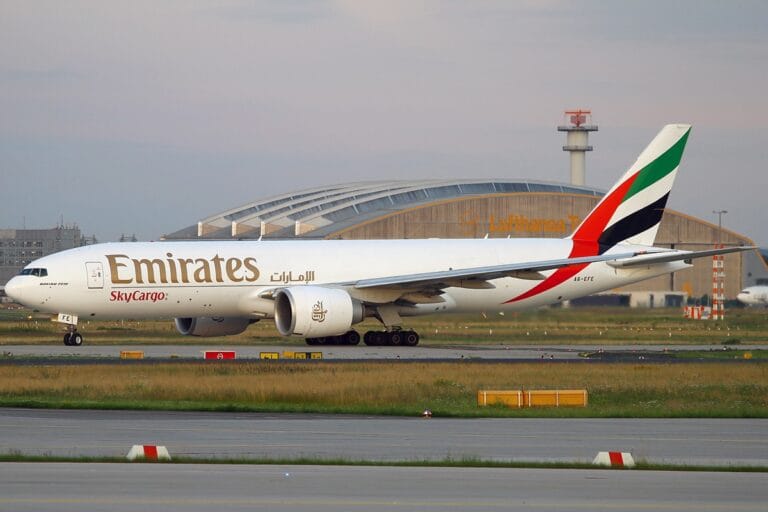
The real change here is the speed at which consequences followed. Somalia had already imposed restrictions on UAE military and cargo flights days before the announcement, an early signal that relations were fraying.
There were also wider regional implications. Reports emerged alleging that UAE-linked actors facilitated the movement of Yemen’s separatist leader through Somali territory. While those claims have been denied by the parties involved, they added to the sense in Mogadishu that Somali airspace and borders were being treated casually by foreign partners.
Calls for restraint followed from outside the country, but Somalia’s government has shown little appetite for compromise at this stage.
Conclusion
Somalia’s decision to cancel its agreements with the UAE marks one of the most consequential foreign policy shifts of the past decade. At its core, the dispute is about authority—who speaks for the Somali state, and on what terms foreign powers engage with it. Whether this leads to renegotiation, prolonged diplomatic strain, or a broader realignment remains uncertain. What is clear is that Mogadishu has drawn a line it says it will now enforce.