Saudi Arabia’s Ministry of Hajj and Umrah has moved to suspend contracts with a large number of foreign Umrah operators. The step — part of a wider regulatory push — pauses new Umrah visa issuance by those firms while aiming to safeguard pilgrim rights and service standards. This development matters for operators and prospective pilgrims alike.
Table of Contents
Regulatory drive targets service standards in 2026
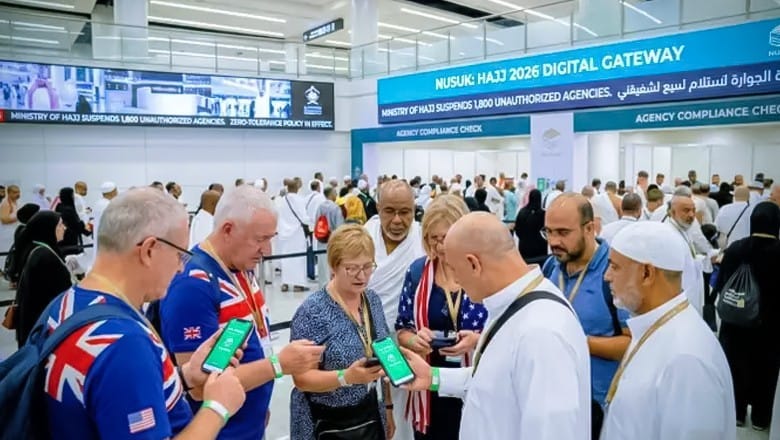
The ministry says a periodic evaluation uncovered widespread shortfalls among overseas agents. As a result, contracts for 1,800 Umrah agencies were suspended. The ministry flagged poor service delivery and compliance lapses as the main reasons.
Officials stress the action isn’t arbitrary. The review looked at several performance metrics. Agencies that failed to meet the benchmarks were placed on hold pending correction.
Grace period and visa rules
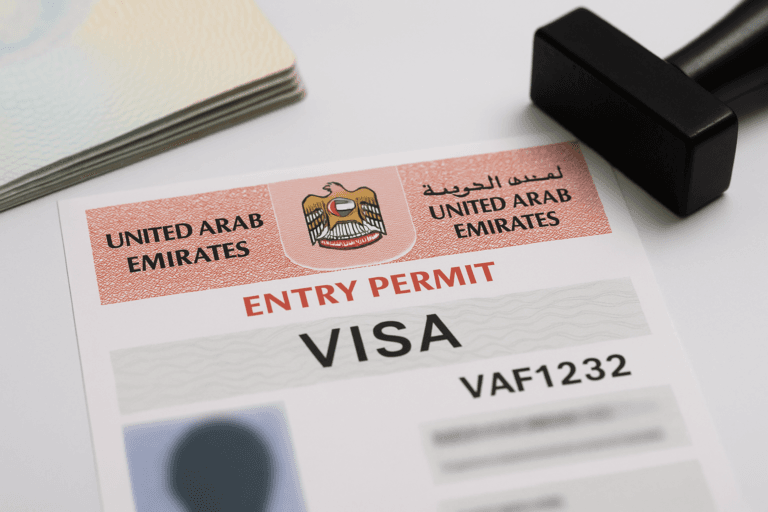
Affected agencies were given a 10-day grace period to fix the problems and meet classification standards. If they do, contracts can be reinstated. Meanwhile, the suspension applies primarily to the issuance of new Umrah visas by those firms.
Pilgrims who already hold valid visas or confirmed bookings are not expected to face disruption. The ministry underlined that existing arrangements for confirmed travellers remain in place.
Protecting pilgrim rights through compliance
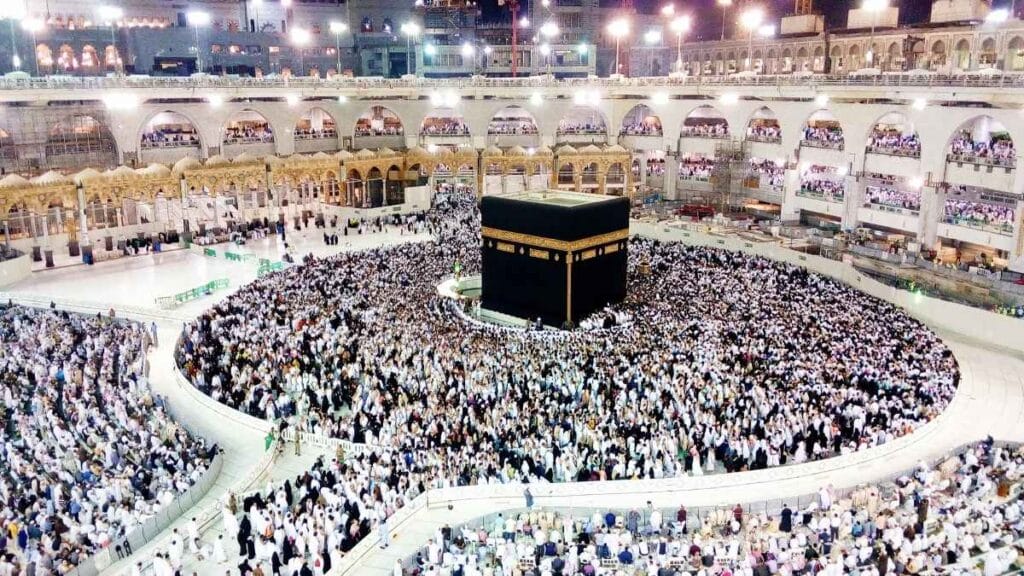
Dr. Ghassan Al-Nuwaimi, speaking for the ministry, framed the move as protecting pilgrims and tightening oversight. He said the step is about ensuring travellers receive the services they paid for. That line of reasoning is consistent with prior pronouncements from Saudi authorities on raising service quality.



The ministry also indicated it will keep and refine monitoring tools. Periodic evaluation of Umrah operators will continue as part of that oversight.
What this means for pilgrims and agencies
- Agencies must meet the ministry’s service and compliance standards or risk losing contracts.
- New visa issuance through the suspended firms is paused until they meet requirements.
- Confirmed pilgrims with valid visas should see no immediate disruption to travel plans.
For travellers from the UAE and nearby countries, the message is clear: check the status of your booking and the credibility of your agent before you make any new arrangements.
Broader context: Vision 2030 and religious tourism
This tightening fits into Saudi Vision 2030’s broader aim to modernise religious tourism. Riyadh has been working to professionalise services around pilgrimage, including rolling out digital systems and operator classification schemes. The recent enforcement move looks like another step in that direction.