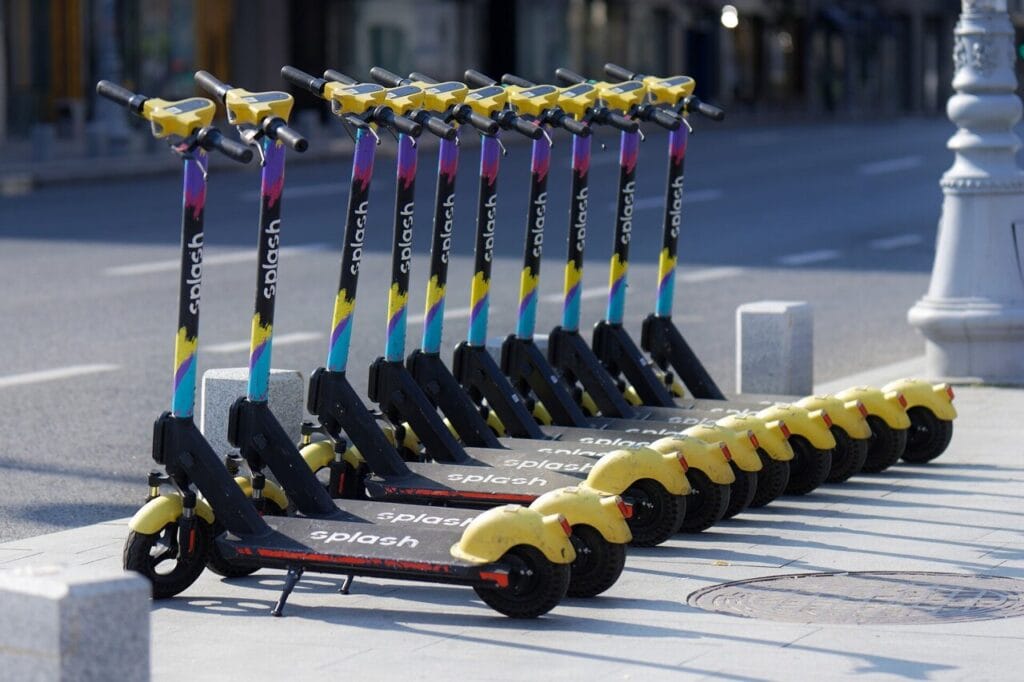
The Abu Dhabi e-scooter rules 2026 spell out where electric scooters and e-bikes may be used, as authorities push to bring order to a fast-growing mode of travel. The Integrated Transport Centre (ITC) and the Department of Municipalities and Transport say the aim is simple: protect pedestrians, cut accidents and tie micromobility into the wider transit system. This matters because scooters are no longer a novelty — they’re a daily sight in many neighbourhoods.
Table of Contents
Roads and paths approved for e-scooter use
Under the new framework, riders may use e-scooters and e-bikes on a limited set of routes authorised by transport planners. That list includes internal roads where the posted speed is under 40 km/h, purpose-built shared pedestrian and cycle tracks, and any dedicated bike or scooter lanes that local authorities have marked. These areas are meant to reduce clashes between cars, walkers and micromobility users, and to make short trips predictable and safer.
Restricted areas under Abu Dhabi e-bike regulations
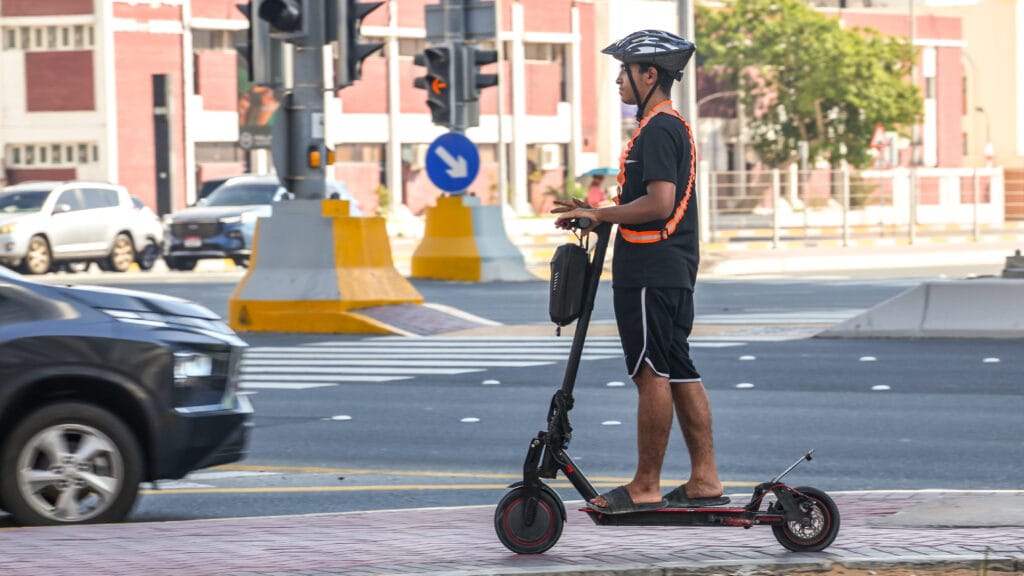
The regulations make the boundaries clear: no riding on highways, main arterial roads or streets with 60 km/h limits and above. Pedestrian-only promenades remain off-limits unless explicit signage says otherwise. Enforcement can mean fines, confiscation or other penalties for riders who stray from approved routes — and officials have warned they’ll act where public safety is at risk.
ITC Abu Dhabi guidelines for rider conduct
The Integrated Transport Centre (ITC) Abu Dhabi guidelines stress common sense and courtesy. Riders must give way to pedestrians, follow traffic signs, ride in the same direction as traffic, and park only in marked bays. Improperly parked scooters are often the top complaint in busy districts; leaving devices littering sidewalks undermines public trust in shared mobility schemes.
E-scooter speed limit Abu Dhabi enforcement — Abu Dhabi e-scooter rules 2026
The emirate caps e-scooter speeds at about 20 km/h on permitted routes, with lower limits where pedestrian density rises — think near schools, markets and major transport hubs. Enforcement teams will monitor compliance, especially in crowded areas, and may issue warnings or fines to repeat offenders. The speed cap is intended to reduce injury risk without killing the convenience that makes micromobility appealing.



Micromobility laws in the UAE 2026 and age requirements
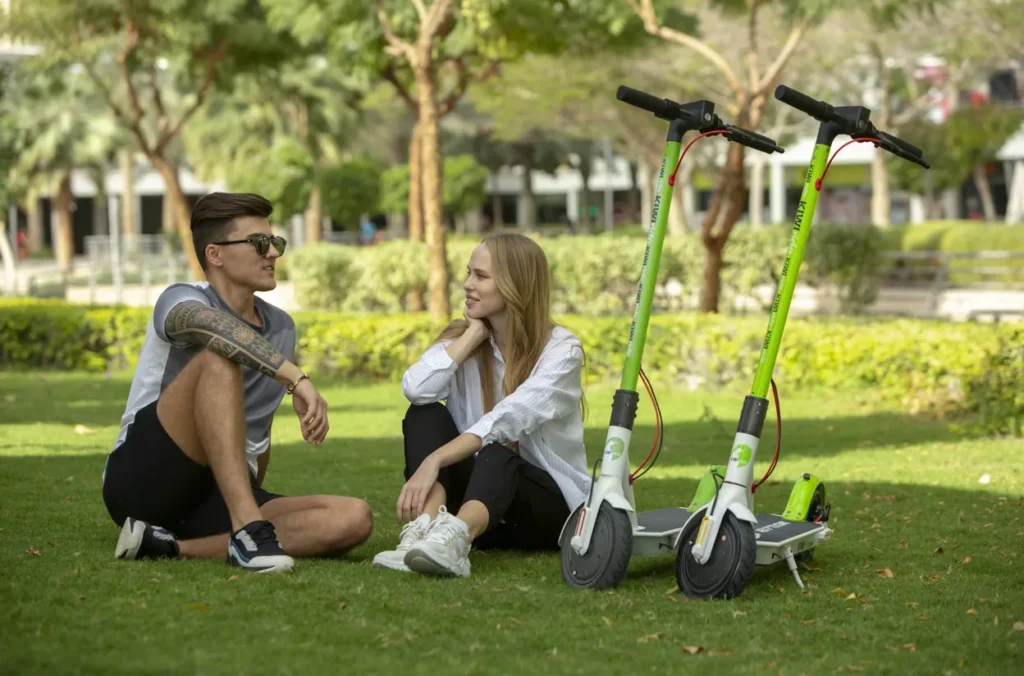
The wider micromobility laws UAE 2026 set a basic guardrail for riders: a minimum age — typically 16 — and recommended protective gear such as helmets and reflective clothing. Officials encourage riders to adopt safe practices year-round, especially after dark when visibility drops, and risks increase. These standards mirror trends elsewhere in the UAE as cities balance innovation with safety.
Ongoing enforcement and public safety focus
Transport authorities say the 2026 rules will be paired with education campaigns and periodic inspections. The ITC has signalled continued outreach to residents and operators, and said penalties will be applied where behaviour puts people at risk. For many in Abu Dhabi, clearer rules are welcome; for others, the change will require a bit of adjustment as micromobility becomes part of everyday life.