Dubai has moved to embed the Dubai sponge city model in its planning toolkit after a new partnership with Shenzhen was announced at the World Government Summit. City officials say the agreement will help the emirate tackle flash floods, conserve water and sharpen its low-carbon city planning.
Planners and policymakers describe the move as practical and urgent. It ties into the Dubai 2040 Urban Master Plan and signals a shift toward more nature-informed, future-ready urban planning across the emirate.
Table of Contents
Strategic urban cooperation formalised through an MoU
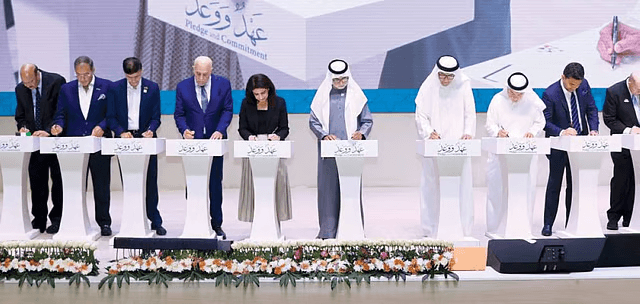
Dubai Municipality signed a Memorandum of Understanding with the Urban Planning and Design Institute (UPDIS) of Shenzhen, creating a formal channel for technical exchange and joint projects.
The MoU outlines cooperation in master planning, water-sensitive urban design and smart infrastructure. It’s not just an academic pact: officials expect pilot projects, shared modelling tools and on-the-ground trials in select neighbourhoods.
Dubai sponge city model embedded in urban master planning
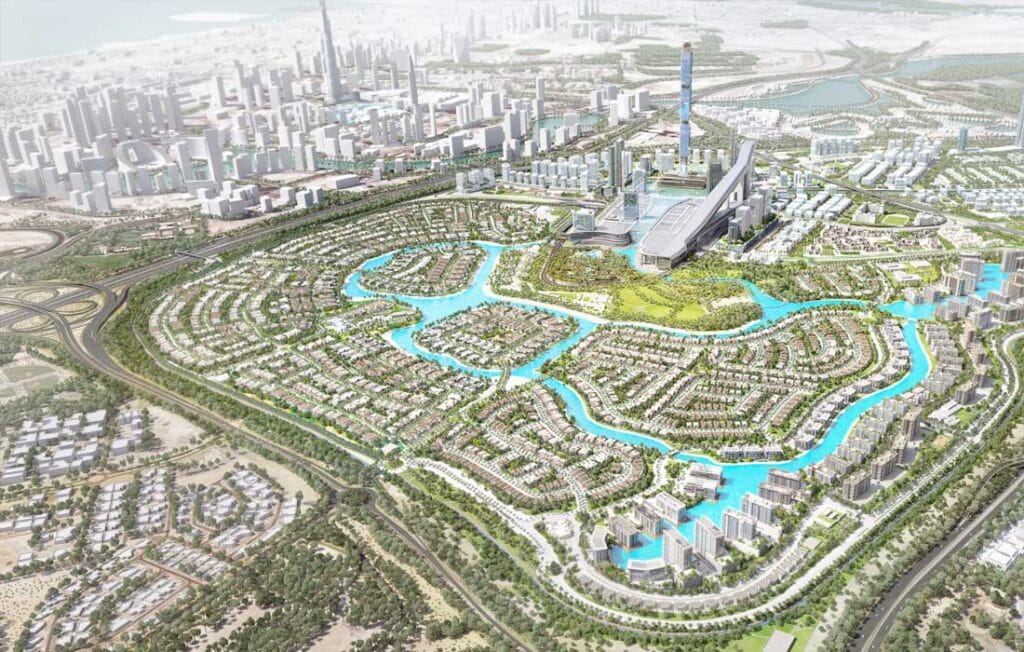
Sponge-city measures — think permeable pavements, green corridors, rain gardens and underground storage — will be phased into upcoming developments and regeneration schemes under Dubai’s long-term plan.
Planners say integrating these measures into the Dubai 2040 Urban Master Plan will reduce surface runoff and ease pressure on drainage systems, while adding usable green space. It’s a blend of engineering and landscape design aimed at making the city more resilient without disrupting daily life.
Climate resilience and low-carbon planning gains renewed emphasis
The partnership strengthens Dubai’s climate resilience agenda by linking water management to wider low-carbon goals. Nature-based solutions, when matched with data and sensors, can cut emissions tied to conventional drainage and treatment systems.



Officials note the combo of softer, natural systems with smarter monitoring helps the city respond faster to extreme weather and long-term shifts. That’s crucial for keeping infrastructure reliable as climate risks rise.
Shenzhen’s planning experience brought to Dubai
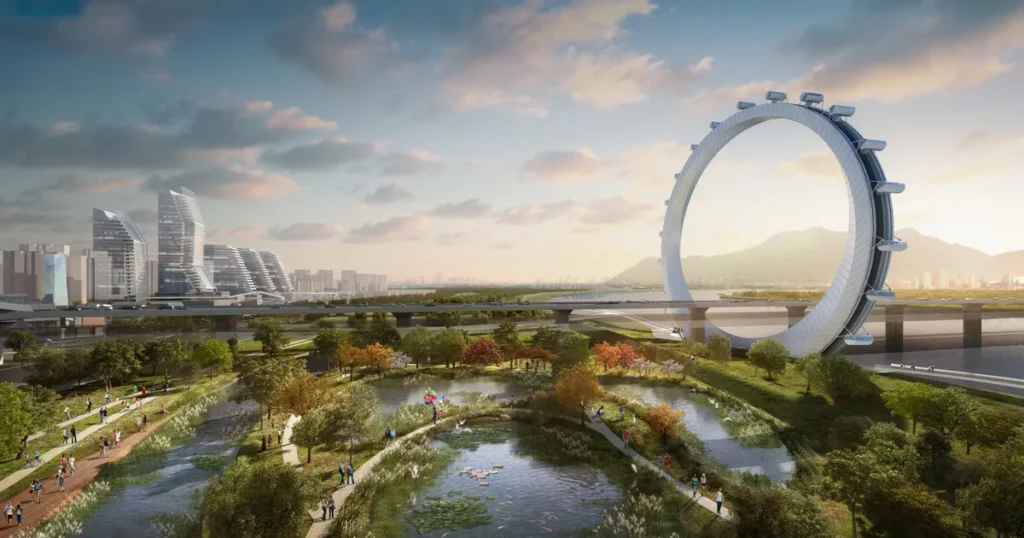
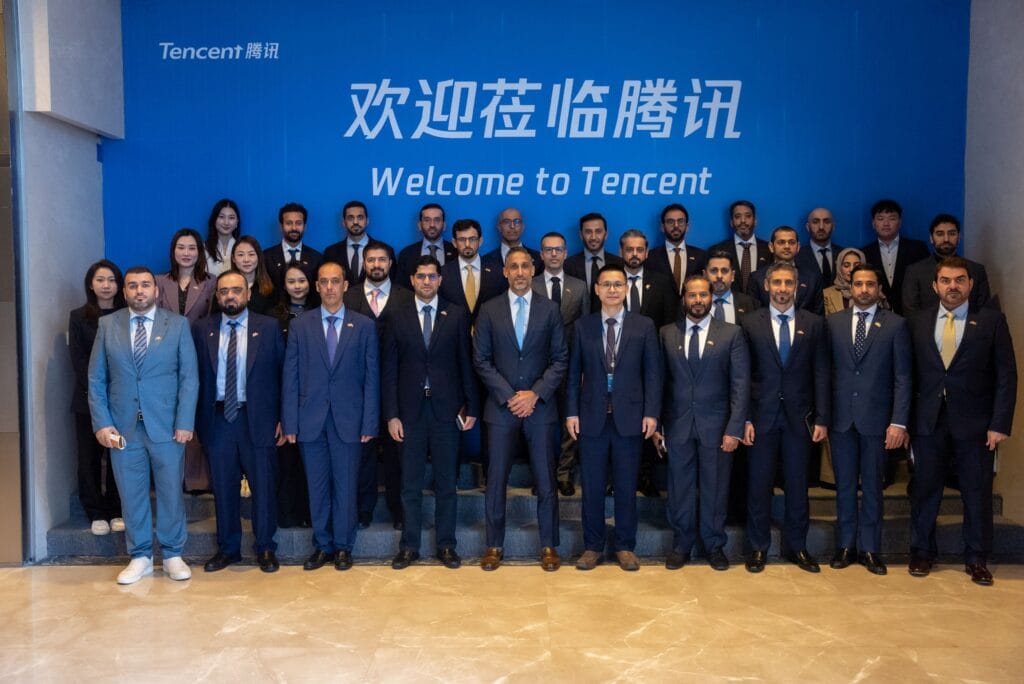
Shenzhen brings experience from rapid urban growth and intensive smart-city work. Dubai’s delegation previously studied Shenzhen’s approaches to high-density development and resilient infrastructure, and those lessons shaped the MoU.
Technical exchanges will cover spatial analysis, modelling of water flows in mixed urban fabrics, and policies that make sponge solutions feasible at scale. Practitioners on both sides expect the transfer to speed up Dubai’s adoption of proven, localised practices.
Implementation roadmap and governance focus
Officials say the agreement includes phased pilots, capacity building and protocol agreements for data sharing. The arrangement is designed to fit within Dubai’s policy frameworks, allowing municipal teams to work with developers and utilities without a major regulatory overhaul.
The move also underlines Dubai’s preference for proactive governance — using international partnerships to translate policy discussion into concrete projects that can be replicated across the UAE.