Dubai has confirmed plans for the Glydways transport system, a compact, on-demand network of driverless electric pods aimed at easing short trips across the city. The Roads and Transport Authority plans pilots on key corridors, linking metro stations with retail and work hubs. Commuters could see pods on dedicated guideways later this year.
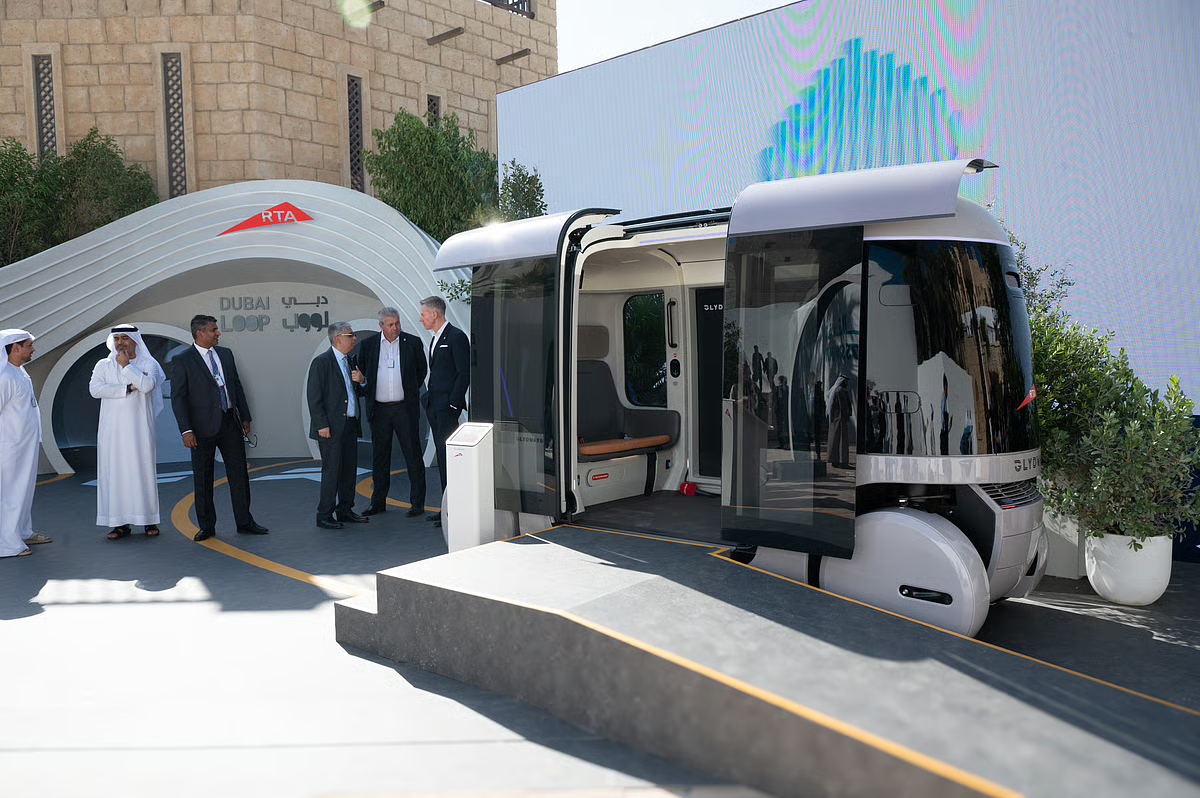
Table of Contents
RTA rollout, partners, and timeline
RTA officials say trials will begin in a phased manner, starting on routes chosen for high last-mile demand. Private partners and technology suppliers will join the rollout, with integration into existing ticketing and apps. Observers note the push follows years of testing and planning in Dubai’s smart-mobility agenda.
Vehicle design and operating model
The pods are small, electric, and fully autonomous. Each unit seats around four to six people and runs at speeds up to 50 km/h on narrow guideways. Booking is expected through a smartphone app, offering direct trips rather than fixed-stop services. The layout and interiors prioritise quick boarding and basic accessibility.
Initial corridors and network coverage

RTA has earmarked connections that link metro stations to shopping, leisure, and residential zones. The first corridors aim to relieve peak-hour pressure on nearby roads. Planners say these short links will serve as proof of concept before wider network expansion. Local reports list several candidate routes across the city.



Expected impact on traffic and last-mile mobility
By running on separate guideways, the pods should avoid everyday traffic snarls. Analysts say Glydways could reduce short car trips and speed up transfers from mass transit. The system won’t replace buses or the Metro, but it may plug gaps in the first and last mile. Early estimates point to notable time savings on test links.
Fare approach and rider experience

RTA aims for fares that sit close to existing public transport prices to encourage use. The passenger journey is designed around simplicity — app booking, short waits, and doorstep-style drops. Safety, accessibility, and depot charging are part of the operational brief, say project documents and coverage.