Abu Dhabi, Dubai and Riyadh identified for phased deployment as autonomous ride services expand
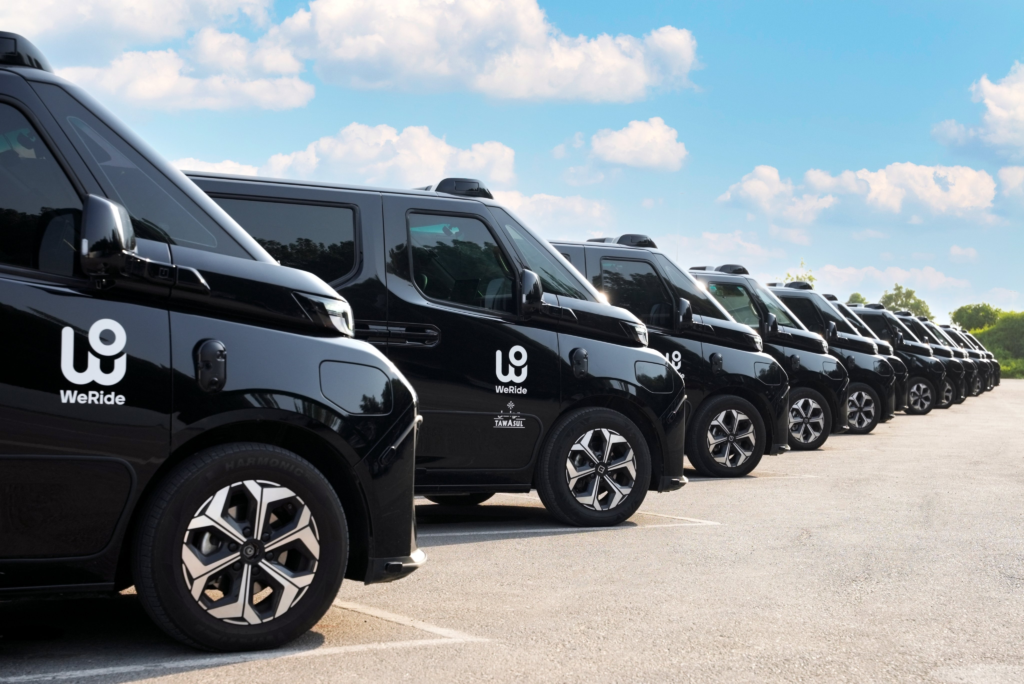
A major expansion of autonomous mobility is set to take shape in the Middle East, with WeRide and Uber announcing plans to deploy at least 1,200 robotaxis across the region over the coming years.
The rollout, which will be carried out in phases, is expected to cover Abu Dhabi, Dubai and Riyadh, subject to regulatory approvals and operational milestones in each market.
Largest autonomous mobility commitment in the region
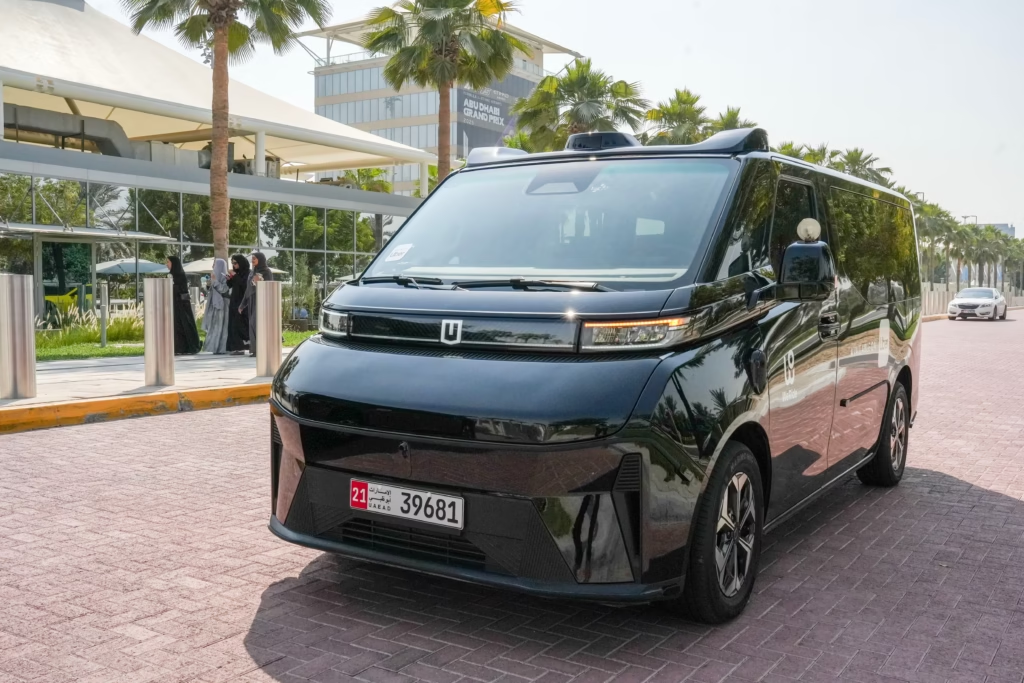
The deployment marks one of the largest commercial robotaxi commitments announced for the Middle East, reinforcing the region’s growing role as an early adopter of autonomous transport technologies.
Under the plan, robotaxis will be bookable through the Uber app, allowing riders to access fully autonomous vehicles as part of Uber’s existing ride-hailing ecosystem. The companies said fleet expansion will be gradual, with scale-up tied to safety performance, regulatory clearance and city-specific readiness.
Building on existing operations
WeRide and Uber already operate autonomous ride services in parts of the region. More than 200 robotaxis are currently in operation, including fully driverless commercial services in Abu Dhabi.
The new commitment significantly increases that footprint, with the companies targeting a total fleet of 1,200 autonomous vehicles by around 2027, depending on approvals from transport and safety regulators.
How the partnership works
WeRide provides the autonomous driving technology, while Uber integrates the vehicles into its platform and oversees rider access, fleet utilisation and local partnerships. The model is described as asset-light, with operations supported by regional partners where required.



Company executives said the Middle East expansion builds on earlier plans to introduce autonomous ride services in multiple global cities by the end of the decade.
Regulatory approvals remain key
The companies stressed that the pace and scale of deployment will depend on:
- clearance from local transport authorities
- compliance with safety and testing requirements
- performance benchmarks achieved during phased rollouts
No specific start date for mass public access has been announced, but pilot and limited-area operations are expected to precede wider availability.
Middle East seen as testbed for autonomous transport
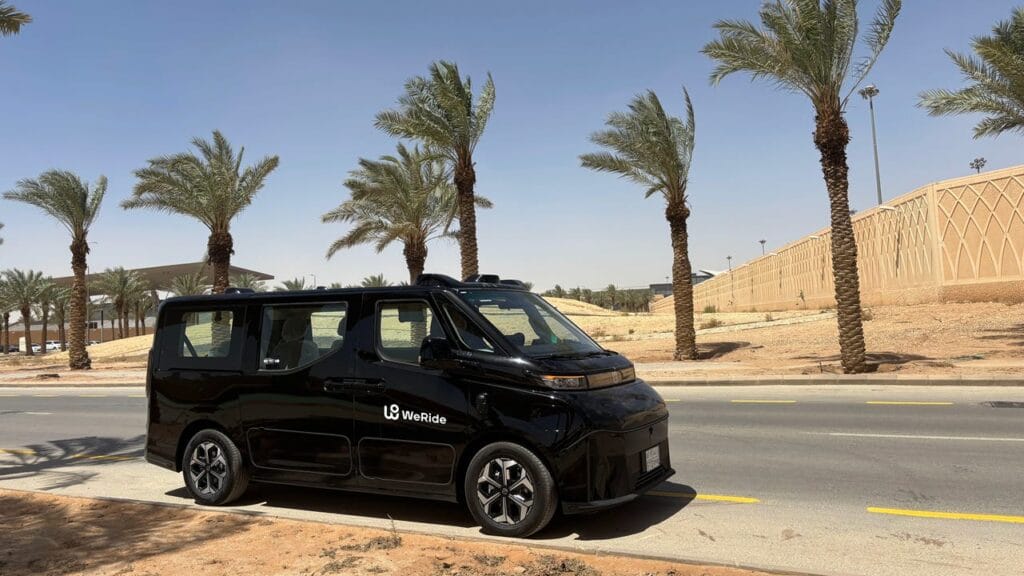
Industry analysts have increasingly pointed to the UAE and Saudi Arabia as favourable markets for autonomous mobility, citing modern road infrastructure, supportive regulatory frameworks and government-backed smart transport strategies.
The planned robotaxi rollout places the region among the most active global markets for commercial autonomous ride services, alongside parts of the United States and China.