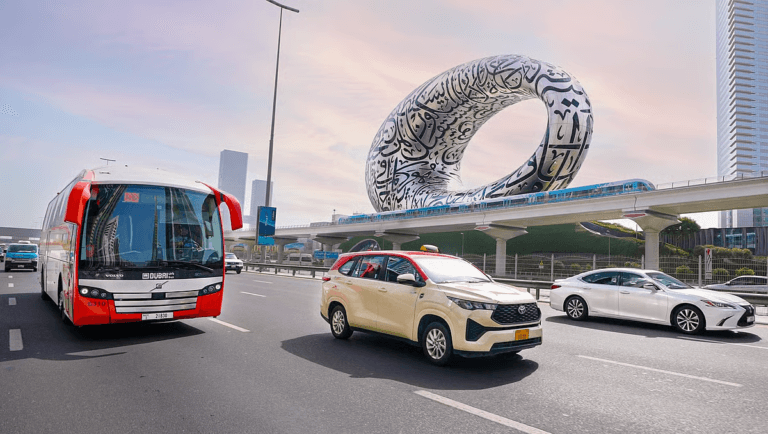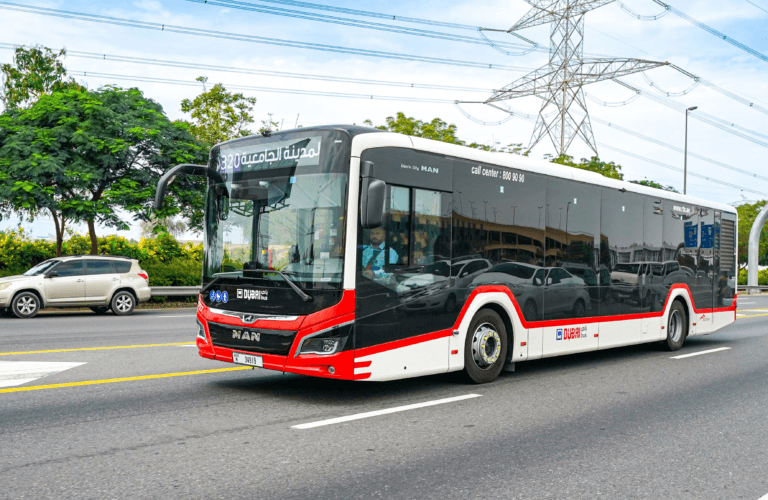
Dubai’s transport authority says it finished 67 rapid traffic improvements in 2025 to ease congestion, raise Dubai road network efficiency and make school runs safer next year. The package — which includes works near more than 30 schools — forms a key stepping stone for the RTA 2026 Traffic Roadmap and more upgrades already planned.
Table of Contents
Delivering on RTA 67 Rapid Traffic Improvements across the city
The RTA’s blitz of 67 measures covered arterial routes and local streets, with 46 interventions on major corridors and residential links, 12 targeted upgrades around schools and nine solutions in development areas. Officials say the works led to measurable improvements in flow and capacity.
Among the more visible changes were lane widenings, bridge upgrades and reconfigured exits that smooth linkages between surface roads and flyovers. In plain terms, some junctions now handle many more cars with shorter waits.
Strategic upgrades in key corridors
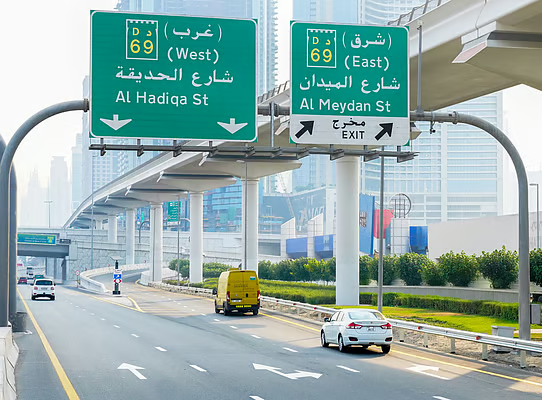
The programme focused on high-use stretches such as Sheikh Zayed Road and Al Meydan Street, plus busy local arteries including Umm Al Sheif and Al Wasl streets. Notable works included widening Sheikh Zayed Road toward Al Meydan Street, expanding Al Meydan Bridge capacity, and adding exit lanes to reduce bottlenecks. These are the sorts of fixes that cut the small, everyday delays commuters complain about.
RTA data shared with the press points to journey-time drops of up to 45 per cent in some upgraded areas, and capacity gains reported as high as 33 per cent on select road sections. Those are headline figures — but for many drivers, the real win is fewer stop-start stretches and quicker, steadier runs through formerly clogged junctions.
Dubai school zone safety 2026: tighter focus on children’s routes
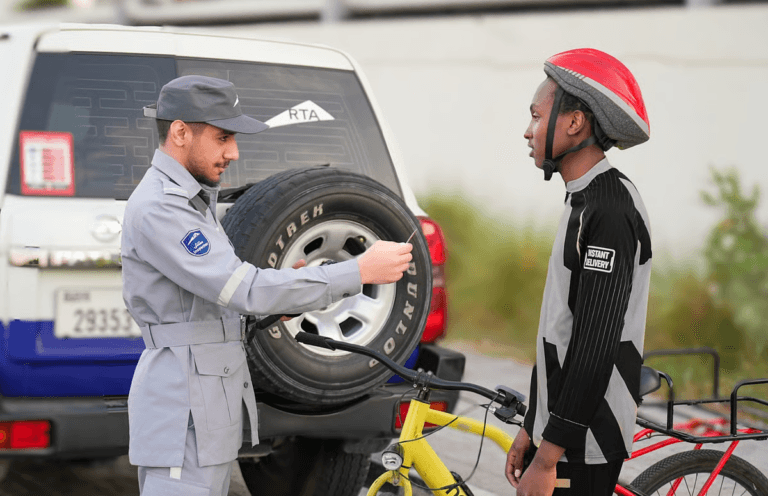
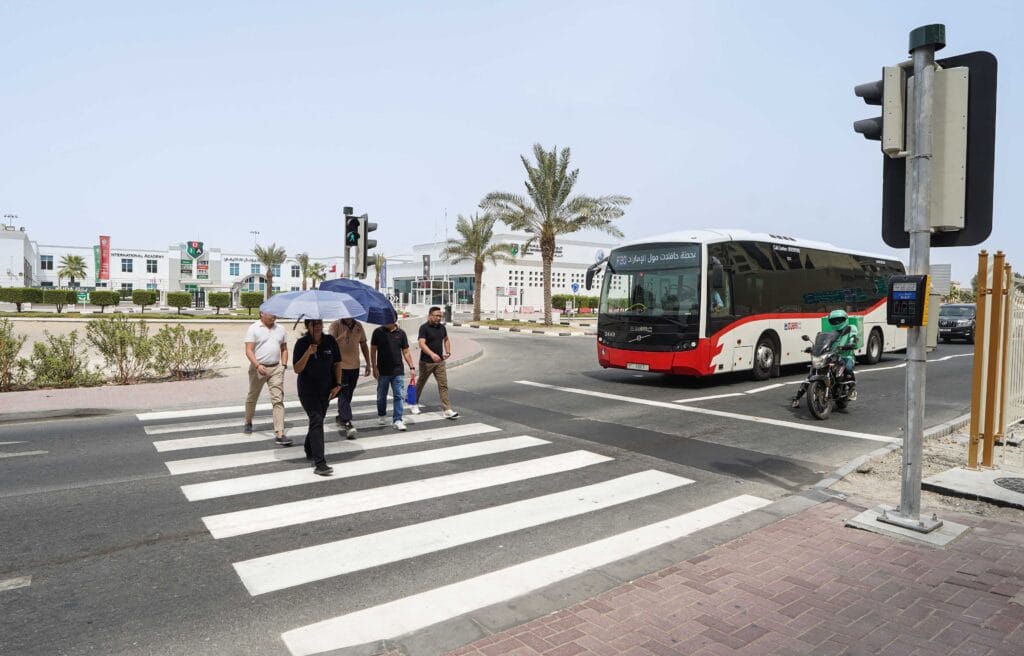
Twelve of the improvements were made specifically around more than 30 school sites. Upgrades included dedicated drop-off and pick-up bays, improved entry and exit points and traffic-calming measures designed to reduce queuing and risky manoeuvres during peak school times. The aim: smoother school runs and safer roads for pupils and parents alike.
Parents and drivers used to awkward school-gate bottlenecks should notice the difference during term time. The RTA stresses these interventions are part of a wider push to make school zones reliably safer and less chaotic.



Local impacts — small fixes, visible gains
Not every change was dramatic. Some were modest — a widened slip-lane here, a reprofiled merge there — but collectively they reduce the kind of micro-delays that ripple into longer jams. That incremental approach is how network efficiency improves without always needing big, disruptive projects.
The RTA 2026 Traffic Roadmap
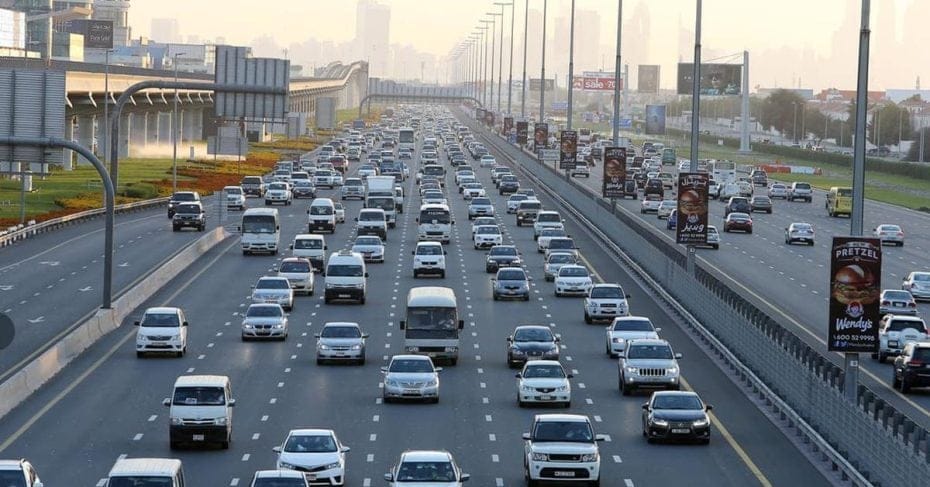
The authority says the 67 measures are the groundwork for a larger programme under the RTA 2026 Traffic Roadmap. More than 45 additional traffic measures are slated for 2026, from intersection upgrades to further school-zone packages and improved entry/exit points in residential and commercial districts. Expect the next tranche to build on lessons learned from the 2025 works.
If you commute daily, the immediate payoff will be steadier rush-hour conditions on several routes. For planners, the payoff is a clearer picture of where targeted, data-driven fixes yield the biggest returns — and where larger projects should be prioritised next.
Looking Ahead
The RTA’s 67 rapid traffic improvements are a practical, visible attempt to lift Dubai’s road performance while tightening safety around schools ahead of 2026. They’re not a cure-all, but the mix of lane work, junction tweaks and school-zone measures shows the authority is testing affordable, scalable fixes while preparing a broader RTA 2026 Traffic Roadmap. For commuters and parents, the changes should mean shorter waits and safer drop-offs — and that matters every morning.