Buying a property in the UAE is a big milestone — especially for expats who’ve spent years renting. But amid strong demand and rising prices in Dubai and Abu Dhabi, first-time buyers often rush in unprepared.
Real estate experts say small errors at the start can cost tens of thousands of dirhams later. Here are seven common mistakes — and how to avoid them.
Table of Contents
1. Underestimating the Real Cost of Buying a Property
Many buyers budget only for the sale price and down payment. That’s where trouble begins.
In Dubai, buyers must pay a 4% transfer fee to the Dubai Land Department (DLD). Add to that trustee office charges, valuation fees, mortgage registration fees, and real estate agent commission — usually 2%.
Altogether, upfront costs can reach 7–8% of the property value.
Service charges are another surprise. Premium communities often carry higher annual fees that impact long-term affordability.
Solution: Prepare a full cost sheet before signing anything. Ask your broker or bank for a breakdown covering transfer fees, trustee charges, loan costs, and yearly service fees.
2. Skipping Mortgage Pre-Approval
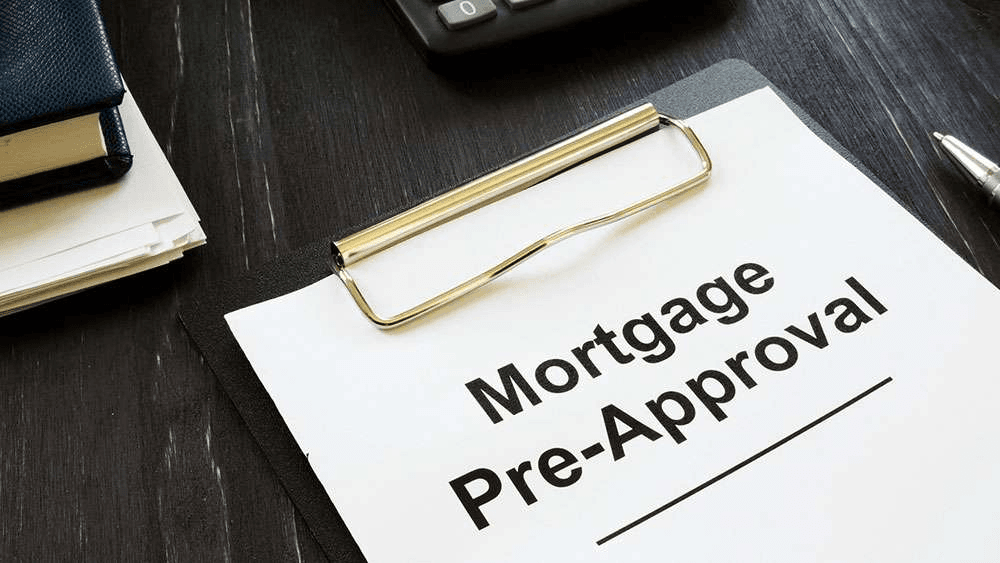
Many first-time UAE buyers start house hunting without securing pre-approval from a bank. In competitive areas like Downtown Dubai or Yas Island, sellers rarely wait. If financing isn’t ready, the deal can collapse.
Mortgage caps in the UAE require expats to pay at least 20% down for properties under Dh5 million. Banks also review income stability and debt ratios.
Solution: Get mortgage pre-approval before viewing multiple properties. It clarifies your budget and strengthens your offer.
3. Not Verifying the Developer or Escrow Account
Off-plan buying remains popular in the UAE. While many developers are reputable, buyers must verify project registration and escrow compliance.
Under rules set by the Real Estate Regulatory Agency (RERA), all off-plan projects must have registered escrow accounts to protect buyer payments.
Paying outside the official escrow system exposes you to serious financial risk.
Solution: Verify project registration through official DLD or RERA portals. Never transfer funds to a personal or unofficial account.
4. Ignoring Location and Future Development
A cheaper property isn’t always the smarter choice. Connectivity, nearby schools, transport access, and future infrastructure all influence resale value and rental demand. Some areas may look affordable today but lack long-term growth potential.
Upcoming metro lines, malls, and community projects can significantly boost capital appreciation.
Solution: Study master plans and upcoming projects. Visit the area at different times of day to assess traffic, noise, and accessibility.
5. Overlooking Service Charges and Ongoing Costs
New buyers often underestimate recurring expenses after purchasing a property in the UAE.
Service charges vary widely between communities. High-rise towers with pools and gyms typically cost more than low-rise buildings. Villa communities include landscaping and security charges.
These fees affect rental yield and monthly budgeting.
Solution: Ask for the exact service charge per square foot and calculate annual costs before committing.
6. Failing to Inspect a Resale Property Properly

Photos can be misleading. Some resale homes carry hidden maintenance issues — AC problems, plumbing leaks, or structural wear. Repairs can quickly turn a “good deal” into an expensive burden.
Even newer units may require snagging.
Solution: Arrange a professional inspection before final payment. Request maintenance records if possible.
7. Not Understanding Freehold vs Leasehold Rules
Ownership rules in the UAE differ by emirate and zone.
Freehold areas allow full property ownership for expatriates. Leasehold arrangements typically grant rights for 30 to 99 years. Confusion here can create resale complications later.
Regulatory frameworks from the Abu Dhabi Municipality and DLD outline ownership structures clearly, but many buyers skip reading the fine print.
Solution: Confirm ownership type and title deed details before signing the Sale and Purchase Agreement (SPA).