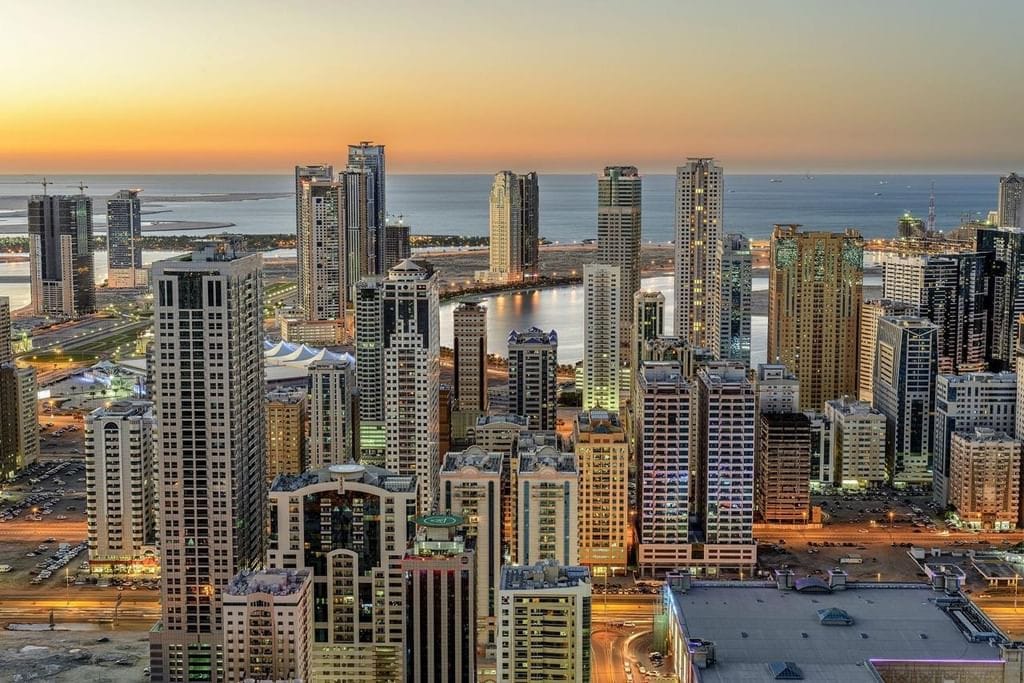
Kuwaiti investment in Sharjah real estate climbed to Dhs1.049 billion in 2025, a clear sign that Gulf buyers are looking beyond the usual hotspots. That money has pushed up transaction volumes and prompted more developer interest in family-focused housing — and it underlines closer UAE–Kuwait economic ties.
Table of Contents
Kuwaiti investment in Sharjah real estate
The Sharjah Real Estate Registration Department reported the capital of AED 1.049 billion in 2025, with Kuwaiti nationals now holding some 5,660 properties in the emirate. Trading by Kuwaiti buyers hit 868 property deals last year, a jump of about 51.7% on 2024, while the total number of Kuwaiti investors rose to 811. Those are significant moves for Sharjah’s market.
The numbers show more than casual interest. They point to steady, measurable capital flows from across the Gulf into Sharjah’s property stock.
Trading patterns and residential demand
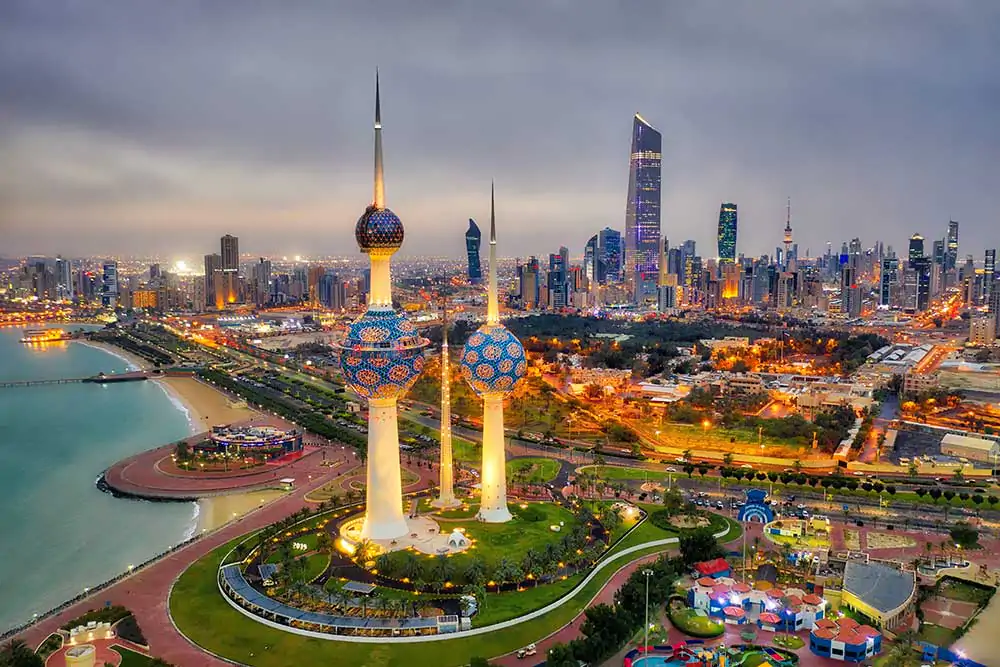
Most of the activity was in residential units. Apartments and villas in freehold pockets led the deal counts. From what brokers are saying, this is a mix of people buying for families and others snapping up rental stock.
Sharjah’s relatively lower entry prices — compared with some neighbouring emirates — and dependable rental yields keep it attractive for GCC buyers. It’s a market where buyers can still find value, and that’s drawing Kuwaiti purchasers this year.
Developer response and registered projects
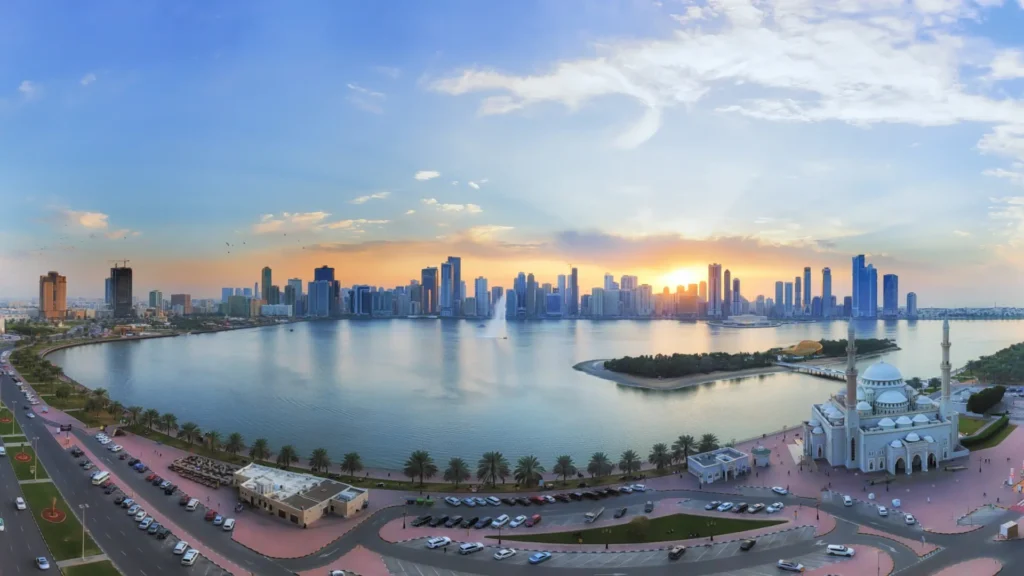
Kuwaiti developers haven’t stayed on the sidelines either. Thirteen projects were registered to Kuwaiti entities in 2025, reflecting a wider push into mid-market housing. Local developers are now balancing demand for family homes with longer-term rental projects.


Planners and registration officials say they’ll keep processes smooth for overseas investors while trying not to crowd out local housing needs. It’s a delicate balancing act.
Policy signals and cross-border trade
Officials attribute the inflows to regulatory stability and improved registration services, and say stronger UAE–Kuwait economic ties have helped. The trend also highlights an uptick in cross-border real estate trade within the GCC — capital is again moving with fewer frictions than during the pandemic years.
That said, regulators will want to monitor the pace closely to ensure transparency and protect domestic supply.