
The Central Bank of the UAE has kicked off a tightly controlled pilot of the UAE Biometric Payment Method, letting shoppers authenticate payments with a face or palm scan instead of a card. The trial, carried out in a sandbox environment, could reshape in-store payments and accelerate the move to cardless, contactless transactions.
Table of Contents
CBUAE begins pilot under regulatory oversight
The Central Bank framed the exercise as a measured test inside its regulatory sandbox. The pilot links encrypted biometric tokens to payment credentials so consumers can complete purchases without presenting a card or mobile wallet. Officials stressed the trial is iterative — regulators will monitor fraud resistance, interoperability and user experience before any wider rollout. (Central Bank of the UAE)
Technology partners and ground deployment
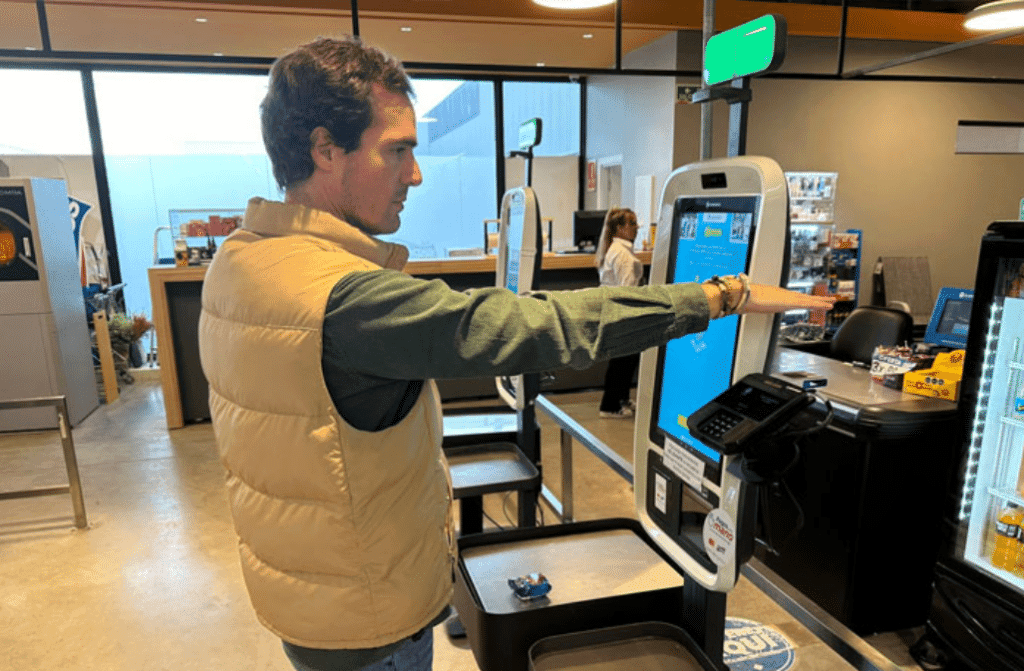
The proof-of-concept combined hardware terminals and software layers from payment and biometric vendors. Network International handled the acceptance infrastructure while PopID supplied facial and palm verification. Demonstrations took place at selected sites, where terminals were integrated with existing point-of-sale systems for side-by-side testing with traditional payment methods.
Data protection, security and technical safeguards
Authorities say biometric templates — not raw images — are used, with template encryption and tokenization to separate identity data from payment credentials. The pilot includes liveness checks and other anti-spoofing measures, and operates under local data protection expectations. Regulators will assess retention rules and consent frameworks as part of the evaluation.
Consumer onboarding and merchant experience
Enrollment is a one-time process through authorized identity gateways, officials said. Early merchant feedback has focused on speed and ease of integration. From what I saw during demos, transactions felt quick; staff training and back-office reconciliation still require work, though. Retailers testing the system kept conventional payment options available during the trial.



Implications for the UAE’s digital economy
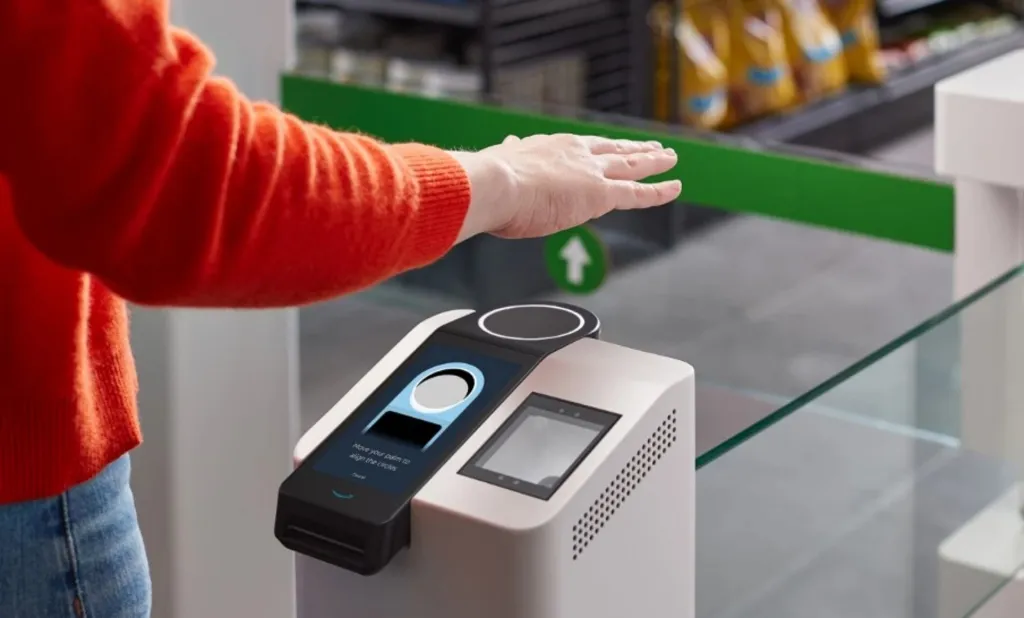
The pilot dovetails with the UAE Digital Economy Strategy and the Central Bank’s push for modern, secure payment rails. Biometric authentication could reduce dependence on cards and one-time passwords, improving convenience for consumers and lowering friction at checkout. Wider adoption will depend on consumer trust, cross-vendor standards and clear regulatory guidance.
Next steps and regulatory considerations
CBUAE will review pilot findings and may publish guidance on consent, data retention and technical interoperability. Any scaling beyond the sandbox will require stakeholder buy-in and robust public communication to address privacy concerns and build confidence.