
In early January 2026, US strikes in Venezuela and political unrest shook the headlines. But UAE drivers have little to worry about at the pump. Experts note that global fuel markets are dominated by oversupply and demand trends, not short-term shocks. With Brent crude trading in the low $60s per barrel, UAE petrol prices have stayed on a downward or flat path. In fact, January 2026 pump prices were cut (Special 95 petrol set at AED 2.42/L) after muted December oil markets. Long-term forecasters see only limited effects from the Venezuela crisis on UAE fuel costs. Supply surplus and steady OPEC+ production are expected to keep prices under pressure into 2026.
Table of Contents
Key Developments and Data
- Jan 3, 2026: US forces capture Venezuela’s President Maduro during strikes on key facilities. Analysts immediately pointed out that Venezuela’s oil output is already very low (under 0.5m barrels per day) due to sanctions, so any supply disruption remains minor in a 100m bpd market
- Dec 31, 2025: UAE authorities announced January pump rates. Super 98 petrol will cost Dh2.53/l (a 6.3% cut) and diesel Dh2.55/l (down 10.5%). These cuts align fuel prices with falling global benchmarks.
- International Outlook: The International Energy Agency projects an oil surplus of roughly 3.85 million barrels per day in 2026. A Reuters poll likewise expects Brent to average about $61.3/bbl next year. OPEC+ left output unchanged at its year-end meeting, cementing expectations of ample supply.
- Current Prices: Brent crude has held around $60–$62/bbl this week. At these levels, historic patterns suggest only modest changes in monthly UAE fuel prices. The National reports Brent at ~$61.30 and WTI at ~$57.90 per barrel (Jan 6 midday).
Global Oil Supply and Price Trends

Oil markets remain broadly oversupplied, keeping pressure on prices. Analysts note that recent production increases – from the US, OPEC+, and others – have outpaced demand growth. In this environment, political shocks have only a fleeting impact. Lombard Odier strategist Nannette Hechler-Fayd’herbe observes that Brent is forecast at about $63/bbl for the year ahead and could even drop lower over the next 1–2 years.
“Structural changes such as electrification and renewables have a more durable impact than geopolitical risk,” she said.
Century Financial’s Vijay Valecha agrees. He notes that “Brent has been stable since Monday. That suggests no major impact on UAE fuel prices so far,” highlighting that markets are focused on the supply glut. Data show Brent hovering in the $60–$62 range, which historically does not trigger sharp petrol price hikes in the Emirates. In fact, the National Bank of the UAE signals oil is on track for its steepest annual drop since 2020.
“At the moment, global markets are already oversupplied,” he explained. “Traders are paying less attention to headlines and more to surplus risks.”
Venezuela Oil Crisis: Limited Impact on UAE
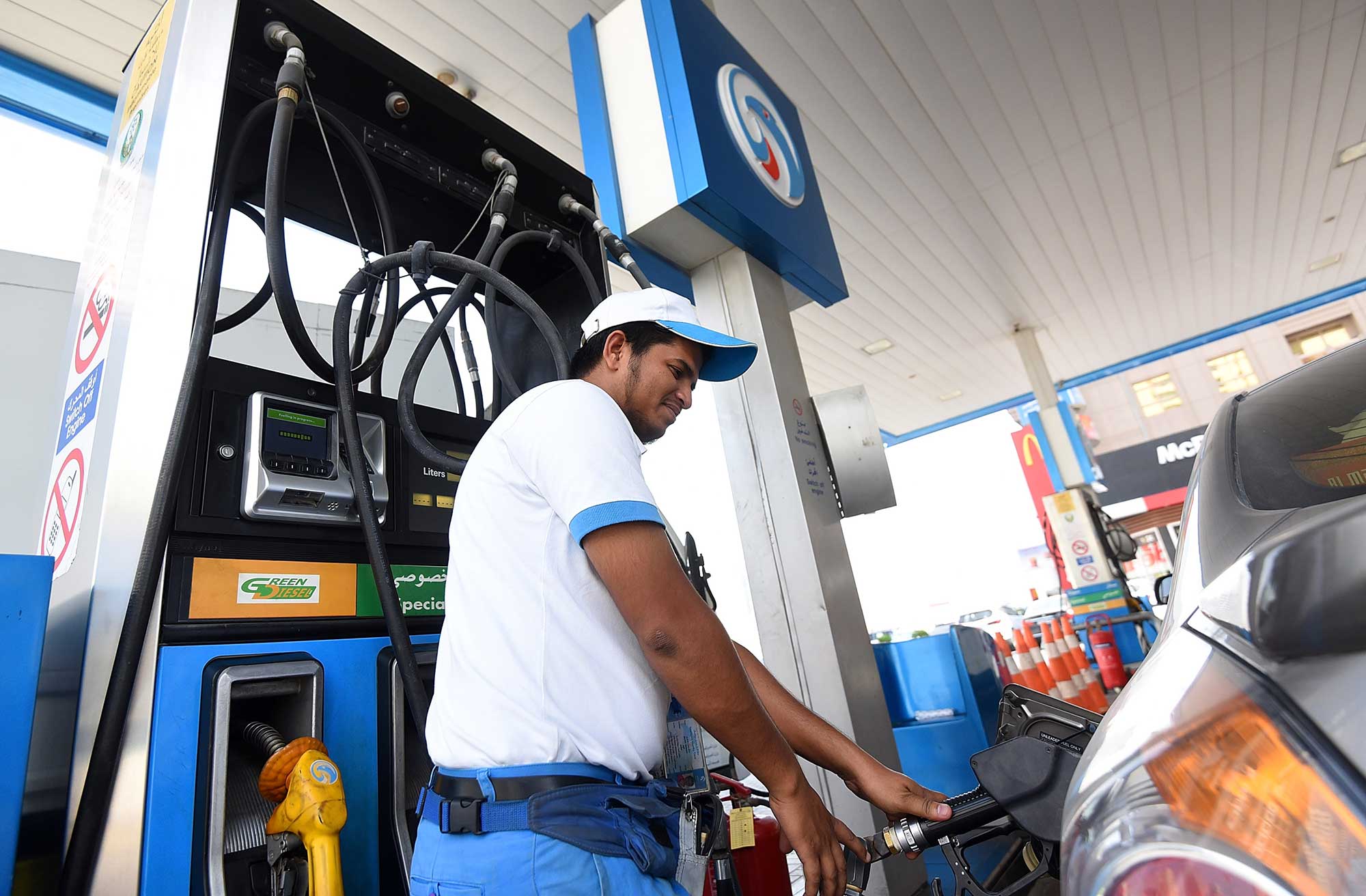
Venezuela sits on vast reserves, but output has plummeted to below 0.5m bpd. Sanctions and neglect mean its current exports are a tiny share globally. Senior analyst Samer Hasn of XS.com points out, “Venezuela is not among the world’s major oil exporters… [so] a US attack is unlikely to trigger a material supply crisis,” given the market’s deep oversupply.
Century Financial’s Valecha estimates the worst-case Venezuelan shortfall at about 0.7–1.0m bpd – a sliver of the roughly 100m bpd supply. He adds that the bigger market worry would be an escalation drawing in Iran, Russia, or a conflict in the Middle East. But absent such a convergence of crises, analysts expect only minor price ripples.
For UAE consumers, the takeaway is that any Venezuela-driven price move is likely transitory. Lombard Odier’s Nannette Hechler-Fayd’herbe says “we foresee little immediate impact” at the pump, and she is keeping Brent forecasts unchanged. In short, the UAE market is insulated: with spare OPEC+ capacity and rising non-OPEC output, the Venezuela crisis acts more as a background concern than a direct price driver.
UAE Fuel Pricing Mechanism
Importantly, UAE pump prices are adjusted monthly based on a basket of global inputs. Since 2015, the Emirates deregulated petrol pricing, tying local rates to international oil prices. The official pricing committee uses global crude benchmarks, Platts-refined product prices, distribution costs, and currency factors in its calculation.



This means drivers in Dubai, Abu Dhabi, and the Northern Emirates effectively pay whatever the average global price environment dictates. For now, that mechanism has delivered lower prices: December’s modest crude prices led regulators to cut January pump rates. Any sharp swing in Brent or WTI would eventually appear at the pump, but with Brent around $61 and inventories high, there is little upward pressure. As petrol and diesel costs are reviewed monthly against benchmarks, insulating the market from headline volatility.
UAE Petrol Prices in 2026: Forecast and Trends
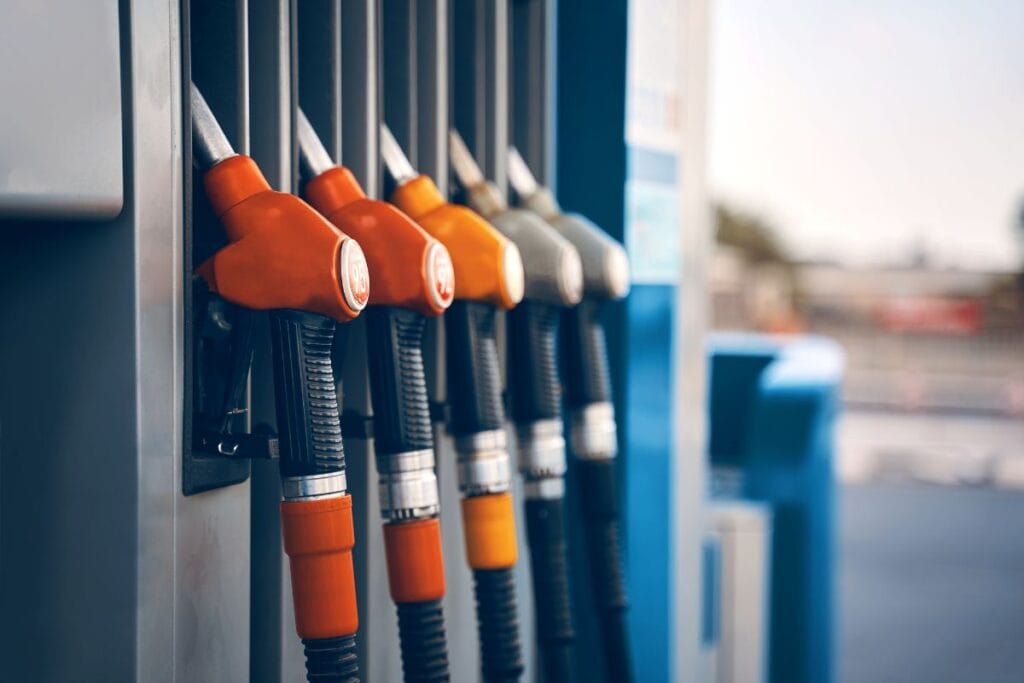
Looking ahead through 2026, most forecasts call for continued relief or stability at the pump. Reuters’ January 2026 poll (taken before the Venezuela events) saw Brent averaging $61.3/barrel. Energy strategist George Pavel of Naga.com estimates that supply will outpace demand by about 1.6m bpd in 2026 (2.4m bpd growth vs 0.86m bpd demand). “If Brent averages around $55 in 2026… petrol prices in the UAE could decline,” he said, reflecting a bearish trend.
Century Financial’s Valecha is similarly cautious. He highlights that without a major new disruption, the so-called risk premium in oil markets is likely to shrink, not grow. In past Middle East crisis episodes, markets priced a premium of ~$10/bbl, but currently, sentiment is biased downward. He stresses that the largest spike in pump prices would require a severe supply shock (for example, a shutdown of the Strait of Hormuz or damage to major pipelines). In the absence of that, analysts broadly expect UAE petrol and diesel rates to track global trends – meaning steady to lower prices through most of 2026.
Conclusion

UAE motorists should find the fallout of the Venezuela crisis muted. The combination of ample global supply, rising production outside Venezuela, and fixed OPEC+ output rules means that Brent crude is unlikely to jump significantly. As a result, petrol prices in the UAE today (and in the coming months) are set to follow the broader oil market’s downward momentum. In short, drivers will see prices largely reflect oversupply and weak demand, not geopolitical upheaval.