DUBAI — If traders were expecting panic from the oil alliance this week, they didn’t get it. Despite the geopolitical shockwaves coming out of Caracas following the capture of President Nicolas Maduro, OPEC+ is sticking to the plan. The alliance confirmed on Sunday that it is pausing any output hikes through the first quarter of 2026, opting for caution rather than reacting to the headlines.
It was a tense weekend for energy markets, but the decision ratified during the virtual meeting on January 4, 2026, shows that for the producers, the fundamental numbers matter more than political drama.
Table of Contents
OPEC+ Sticks to Production Cuts for 2026
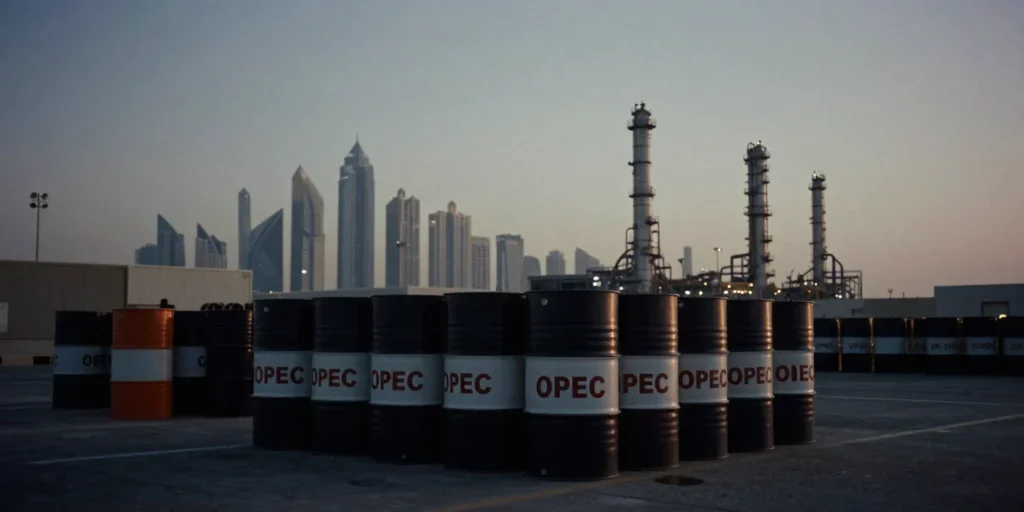
It is a familiar strategy led by Saudi Arabia and the United Arab Emirates: wait and see. The so-called “Group of Eight”—which includes heavy hitters like Russia, Kuwait, Iraq, Algeria, Kazakhstan, and Oman—reaffirmed their commitment to the existing Declaration of Cooperation. Practically, this means the OPEC+ production cuts for 2026 will remain in place until at least the end of March.
Delegates speaking on background made it clear there is zero appetite to release more barrels into a market that is already looking fragile. With a potential global oil surplus in 2026 looming, the priority is keeping a floor under prices. One UAE energy official hinted that the crude oil supply-demand balance is just too delicate to mess with right now, especially with the next monitoring meeting scheduled for February 1, 2026.
Basically, this oil production pause is their shield against lackluster demand recovery in Asia and the relentless output we are seeing from US shale vs OPEC+ competitors, which has kept a lid on prices despite the chaos in South America.
Venezuela Oil Shock: Impact of Maduro’s Capture
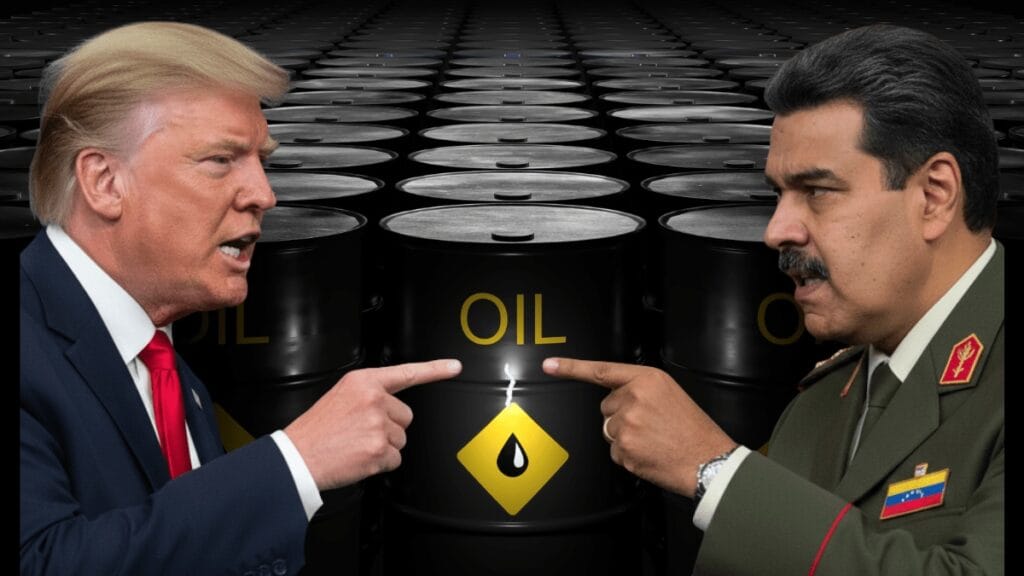
Then there is the “wildcard.” The news of the Nicolas Maduro US capture on January 3, 2026—part of “Operation Absolute Resolve”—certainly grabbed global attention. But for the oil market? It is complicated.
While the Venezuela oil shock has sparked plenty of speculation about a flood of Venezuelan crude exports returning to the market, the reality on the ground is much slower. The energy infrastructure there is tired. We are currently looking at output hovering near 800,000 barrels per day (bpd), and analysts I’ve spoken to at Rystad Energy warn that ramping that back up to historical highs takes years, not weeks. So, the Venezuela political crisis oil impact is mostly acting as a sentiment driver right now, rather than a fundamental supply shift.



Market Reaction: Volatility and Brent Outlook
Traders seem to agree that supply isn’t changing overnight. Counterintuitively, instead of spiking on the geopolitical risk, prices actually sagged in early trading on January 5, 2026. The Brent crude price outlook feels heavy, trading down near $60.26 per barrel, as the market stares at bloated oil inventory levels in 2026.
- Inventory Reality: Global stocks are sitting about 3.8 million barrels higher than the five-year average. That is a lot of oil to work through.
- Energy Market Volatility: We can expect choppy trading sessions as US oil majors figure out if it is legally safe to re-enter Venezuela.
Saudi Arabia Oil Strategy 2026 and Price Outlook
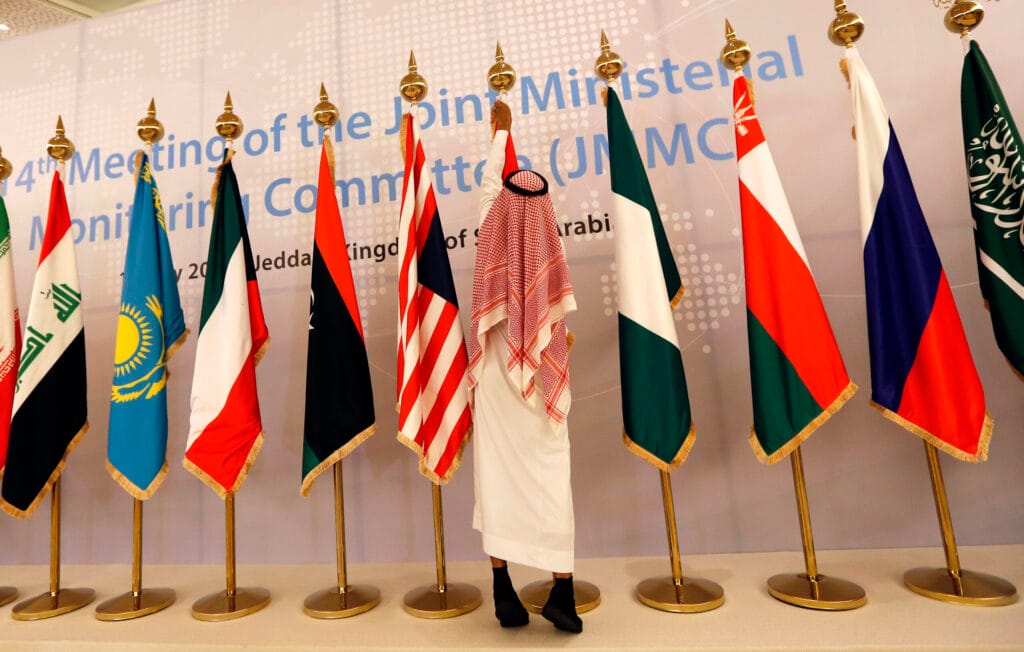
Within the alliance, Saudi Arabia continues to set the tone. Its Saudi Arabia oil strategy 2026 prioritises market stability, even if that means holding back volumes longer than some producers might prefer.
The result is a cautious Brent crude price outlook. Most forecasts now place the oil price forecast for Q1 2026 within a narrow range, with upside risks linked largely to geopolitical developments rather than shifts in supply-demand fundamentals.
For decision-makers here in the Gulf, the path forward is steady. The drama in Caracas is significant, but the math doesn’t lie: without the OPEC+ production cuts in 2026, prices would likely struggle to hold. For now, the group is holding its breath and holding its oil.