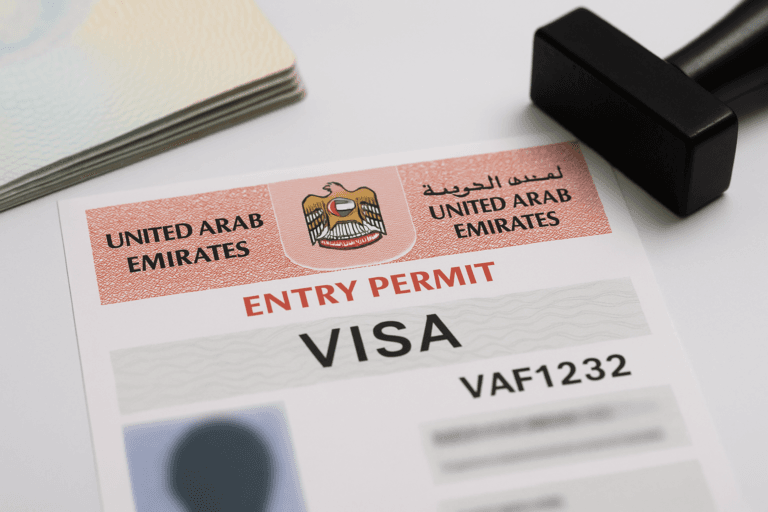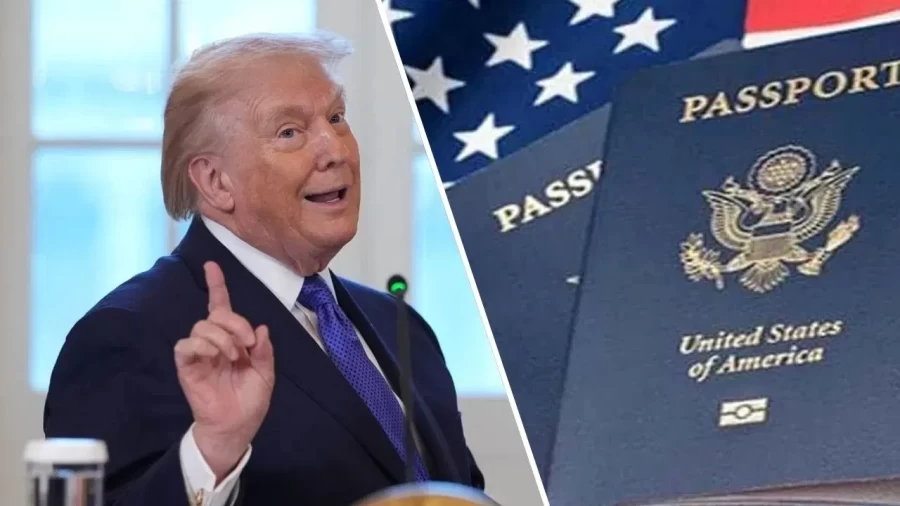
The United States has ordered an indefinite pause on immigrant visa processing for nationals of 75 countries, with the suspension set to take effect from January 21, 2026, according to a directive circulated to US diplomatic missions worldwide.
The move, issued through an internal communication from the United States Department of State, halts the issuance of most immigrant visas while authorities conduct what officials described as a “comprehensive re-evaluation” of screening and eligibility standards.
The development marks one of the most expansive immigration restrictions in recent years and comes amid a broader immigration crackdown under the administration of Donald Trump.
Table of Contents
Immigrant visa processing paused across regions
The suspension — widely referred to as a US immigrant visa ban covering 75 countries — affects applicants from Africa, Asia, Europe, and the Middle East, diplomatic sources confirmed.
Under the directive, US consulates and embassies have been instructed to pause consular immigrant visa processing, including family-sponsored and employment-based immigrant visas, until further notice.
Officials said the action constitutes a US visa processing pause for 2026, pending a reassessment of visa refusal standards and admissibility rules.
State Department reviews public charge rules
According to officials familiar with the decision, the freeze is linked to a renewed review of public charge grounds for ineligibility, a rule that allows US authorities to deny visas to applicants deemed likely to rely on government welfare.
The State Department public charge rule freeze is part of a broader US visa screening revaluation for 2026, aimed at tightening immigrant visa refusal criteria.
Internal guidance highlights factors such as:
- Age and health conditions
- Financial self-sufficiency
- English language proficiency
- Likelihood of long-term employment
Officials said the review is intended to strengthen US welfare abuse prevention policy, though no timeline has been provided for when visa processing may resume.
Which countries are affected?
While the State Department has not officially published a consolidated list, multiple diplomatic sources confirmed that the suspension includes countries across several regions.
Countries reportedly affected include:



- South Asia: Afghanistan, Bangladesh, Bhutan, Nepal, Pakistan.
- Middle East & North Africa: Algeria, Egypt, Iran, Iraq, Jordan, Kuwait, Lebanon, Libya, Morocco, Syria, Tunisia, Yemen.
- Europe & Central Asia: Albania, Armenia, Azerbaijan, Belarus, Bosnia and Herzegovina, Georgia, Kazakhstan, Kosovo, Kyrgyz Republic, Moldova, Mongolia, Montenegro, North Macedonia, Russia, Uzbekistan.
- Americas & Caribbean: Antigua and Barbuda, Bahamas, Barbados, Belize, Brazil, Colombia, Cuba, Dominica, Grenada, Guatemala, Haiti, Jamaica, Nicaragua, Saint Kitts and Nevis, Saint Lucia, Saint Vincent and the Grenadines, Uruguay.
- Africa: Cameroon, Cape Verde, Cote d’Ivoire, Democratic Republic of the Congo, Eritrea, Ethiopia, The Gambia, Ghana, Guinea, Liberia, Nigeria, Republic of the Congo, Rwanda, Senegal, Sierra Leone, Somalia, South Sudan, Sudan, Tanzania, Togo, Uganda.
- Asia Pacific: Burma (Myanmar), Cambodia, Fiji, Laos, Thailand.
Officials stressed that the list may be revised as the review progresses, fueling questions such as “Which 75 countries are on the US visa ban list?” and “Is India included in the US 75-country visa ban?”
As of now, India has not been confirmed as part of the suspension.
Non-immigrant visas not included
The State Department clarified that the current action applies only to immigrant visas.
Non-immigrant categories — including tourist (B1/B2), student (F-1), and temporary work visas — are not covered under the present order, addressing concerns over whether the ban affects travel, education, or short-term employment.
However, officials noted that visa interviews scheduled on or after January 21, 2026, for immigrant categories may be postponed or cancelled, depending on local embassy instructions.
Comparison with previous travel bans
The move is being compared with earlier restrictions, including the US travel ban affecting 39 countries, though officials emphasised that the current measure is procedural rather than nationality-based.
Unlike previous entry bans, this action halts visa issuance, not travel for existing visa holders.
Still, analysts describe the measure as a Trump-era immigration crackdown in January 2026, reflecting stricter enforcement priorities during the administration’s second term.
What happens next
US officials said further guidance would be issued once the State Department internal cable on the immigrant visa freeze is fully implemented across missions.
Until then, applicants from affected countries have been advised to monitor embassy communications for updates on interview schedules and processing status.
No official end date has been announced for the indefinite immigrant visa suspension.