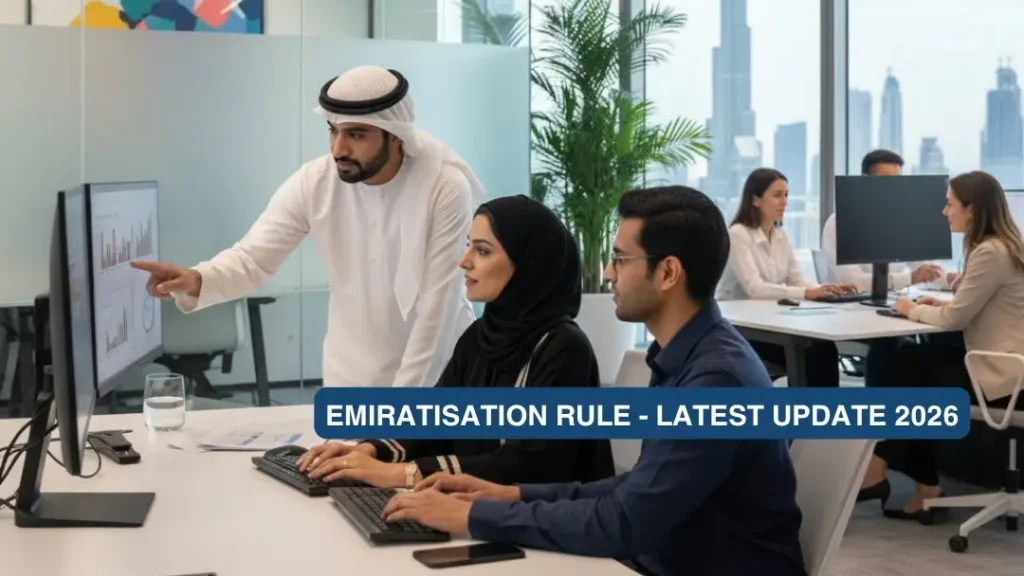
The UAE has launched a targeted upgrade to Emiratisation policy with a fresh Quality of Emiratisation Nafis 2026 framework. It moves the programme away from counting placements and toward measuring real outcomes — skills, role relevance and longer careers in private firms.
The shift aims to match Emirati talent with the jobs that will matter in the next decade and to give businesses better, data-backed guidance on hiring and development.
Table of Contents
Strategic Shift Towards Quality of Emiratisation Nafis 2026
Officials say the new phase treats jobs as more than headcounts. Authorities want to see Emiratis in meaningful, growth-oriented roles. That change matters because a number on a payroll sheet does not always translate to economic contribution or career growth.
Policy designers are insisting on sustained impact: better role fit, clearer career ladders and measurable professional progress. The emphasis is on outcomes, not just compliance.
The Five AI-Enabled Priorities Under Nafis 2026

The Nafis 5 AI-enabled priorities add analytical tools to policy. Data systems under the Nafis digital platform will track skill alignment, job relevance, and progression. They’ll flag gaps early and show which placements lead to real career gains.
This is less about policing and more about insight. Employers will get signals on where to invest in training and which roles offer genuine pathways for Emirati staff.
Future-Oriented Roles for Emiratis in the Private Sector
A central aim is moving Emiratis into resilient, high-value positions. Think sustainability, specialised business functions, digital services and technical roles that keep growing.
That’s partly about protecting jobs from churn. It’s also about helping Emiratis build careers with depth, not just short-term employment stints.
Education and Skills Alignment via Digital Tracking
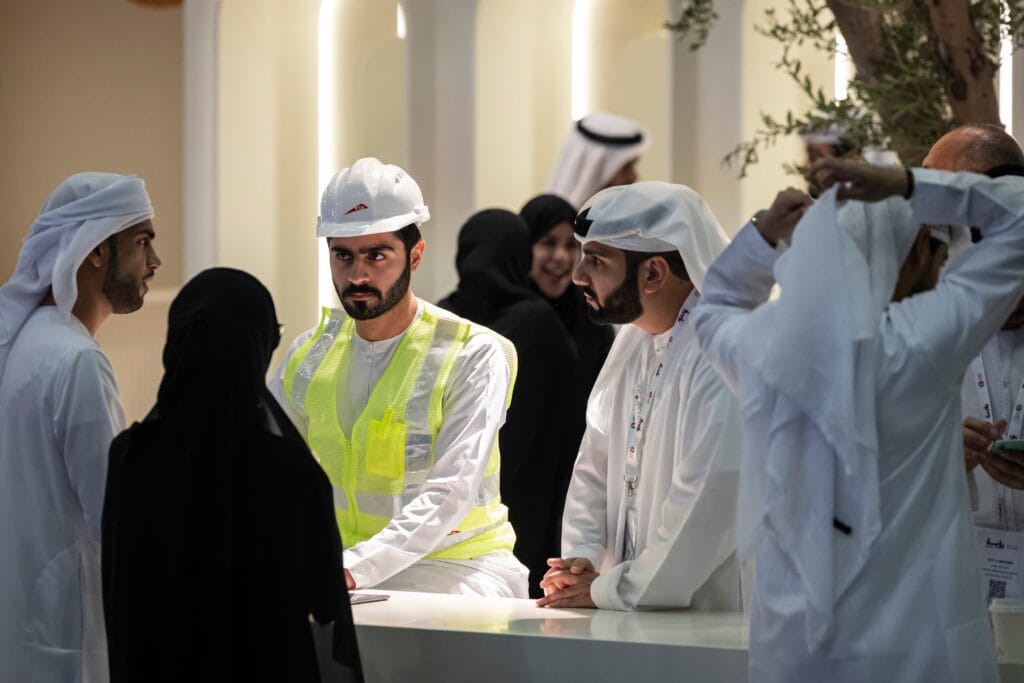
Nafis 2026 links schooling and training to real-time labour market needs. AI-supported educational tracks will help universities and training bodies tune courses to employer demand.
On-the-ground feedback from training providers and firms suggests that closer alignment can reduce the time it takes for graduates to be productive. That’s a quiet but important win for both recruits and companies.



Data-Driven Monitoring of Career Stability
Using analytics, the programme now measures retention, promotion and role quality. Policymakers can spot where Emiratis are getting stuck in entry-level posts, or where movement into higher roles is steady.
This evidence-based view helps target support where it’s needed, rather than applying a one-size-fits-all policy across sectors.
Cultural Mindset Shift and Youth Engagement

The strategy also tackles perception. Officials want private sector work to be seen as a credible, long-term choice for Emirati youth. That means showcasing career paths that lead to leadership and influence, not just temporary work.
Over time, changing attitudes will be as important as tweaking policy. Employers and educators both have a part to play.
Official Perspective on the Nafis Strategy 2026
Ghanem Al Mazrouei described the framework as a move to practical, measurable results. He said AI tools let planners see trends faster and target interventions more precisely.
The effort is coordinated by the Emirati Talent Competitiveness Council, which oversees Nafis as part of the national agenda to boost private sector participation.
Progress and Early Outcomes
Since its launch, Nafis has helped tens of thousands of Emiratis enter private firms and access training. Now, with the new priorities, officials expect those numbers to translate into stronger career paths and higher job satisfaction.
Employers that engage early with the platform may gain a clearer pipeline to skilled Emirati candidates and better data on development outcomes.