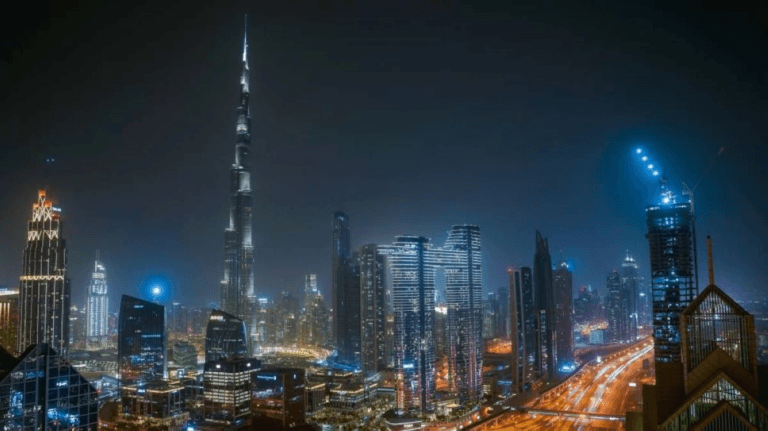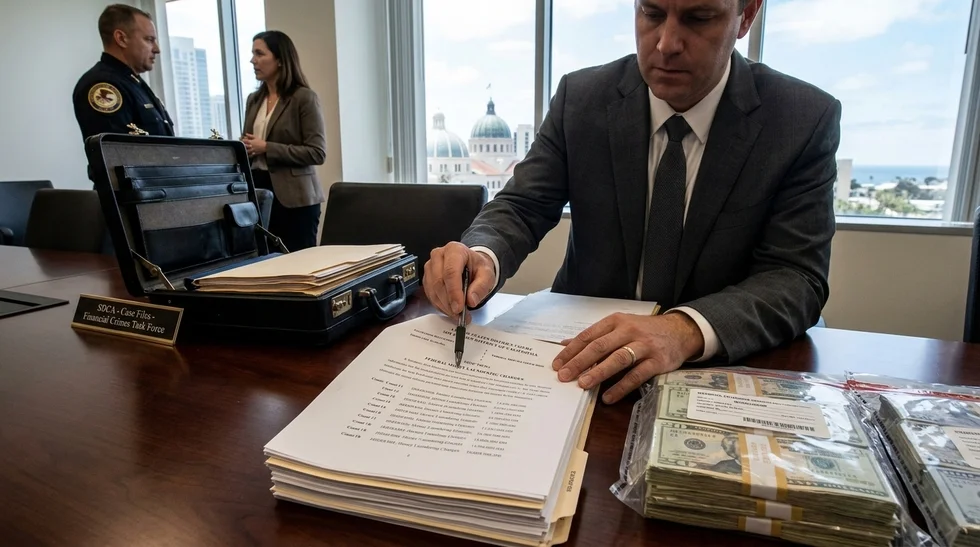
A major international financial probe has directly hit Dubai’s luxury real estate market, resulting in the freezing of prime properties worth an estimated AED 750 million (₹1,700 crore).
The sweeping asset seizure includes ultra-premium apartments in the Burj Khalifa and sprawling villas in Dubai Hills. Initiated by India’s Enforcement Directorate (ED) under the Prevention of Money Laundering Act (PMLA), the transnational operation targeted the vast overseas empire of Sourabh Chandrakar, the alleged mastermind behind the illicit Mahadev online betting syndicate.
Table of Contents
Inside the frozen property portfolio
For years, the promoters of the Mahadev platform allegedly circumvented traditional banking systems, funnelling illegal gambling profits through complex hawala channels into high-yield UAE real estate.
According to official agency disclosures, the attached foreign assets span several of Dubai’s most exclusive and heavily regulated neighbourhoods. The currently frozen portfolio includes:
- Burj Khalifa: Multiple high-altitude luxury apartments.
- Dubai Hills Estate: Sprawling premium villas situated in the highly coveted Hills View, Fairway Residency, and Sidra enclaves.
- Business Bay: Several high-end commercial and residential units.
- SLS Dubai Hotel & Residences: Branded luxury units in the Downtown district.
With these assets officially attached, the properties are entirely legally frozen. The promoters cannot sell, transfer, or liquidate these investments while cross-border legal proceedings continue.
The RAK wedding that triggered the probe
The trajectory of the Mahadev app syndicate is closely tied to the UAE. Originally operating a modest juice shop abroad, Chandrakar allegedly built a multi-billion-dirham illegal betting empire franchised through closed messaging networks.



However, it was a brazen display of wealth within the Emirates that ultimately accelerated his downfall. Last year, Chandrakar made global headlines for hosting a lavish, AED 88 million (approx. ₹200 crore) wedding in Ras Al Khaimah. Private jets were reportedly chartered to fly in celebrities and performers, creating a massive, verifiable paper trail of cash expenditures that investigators immediately began to track.
UAE’s stringent anti-money laundering stance
This high-profile asset seizure underscores a much broader reality for the region’s economic ecosystem. The rapid identification and freezing of these immovable properties highlight the increasingly robust cooperation between UAE authorities and international financial intelligence agencies.
Over the past two years, the UAE has aggressively tightened its Anti-Money Laundering (AML) and Counter-Terrorism Financing (CFT) frameworks. The Emirates has implemented strict reporting protocols for real estate brokers, requiring detailed declarations for all cash and virtual asset property transactions.
For the local market, the message is definitive: the UAE’s real estate sector remains highly regulated, and collaborative enforcement actions ensure the Emirates acts as a hostile environment for illicit financial networks.