DUBAI — Gulf customs authorities have moved from high-level talks to concrete action this week, officially rolling out the first phase of the GCC electronic customs linkage. This major digital upgrade enables the secure, instant exchange of customs declaration data between member states, promising to slash paperwork and significantly shorten border clearance times for traders and freight operators across the region.
For logistics businesses or residents moving goods across borders, this marks a pivotal shift toward a truly unified economic zone.
Table of Contents
What Launched? The Digital Backbone of Gulf Trade
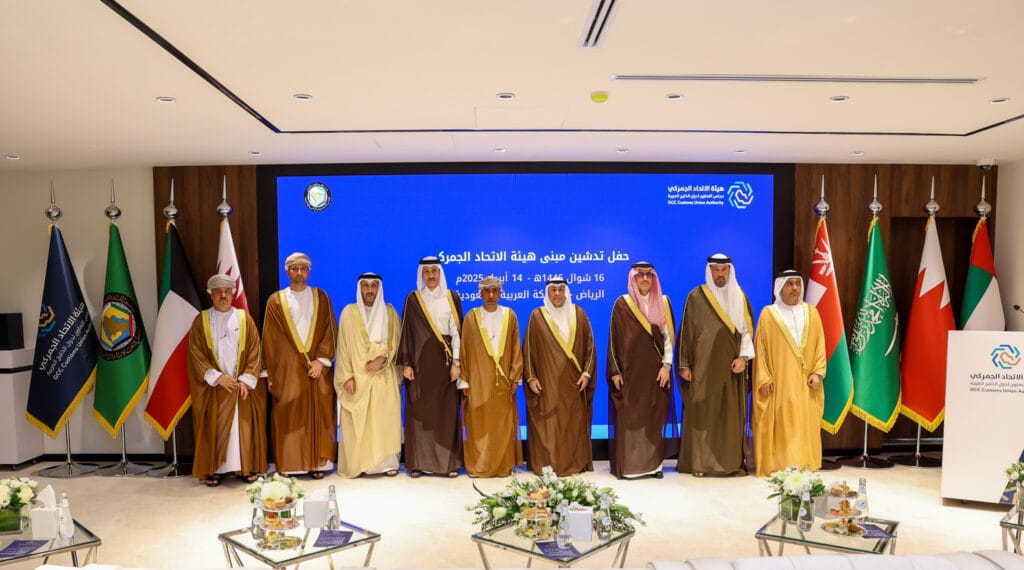
The rollout was officially confirmed by Kuwait’s customs agency on January 2, 2026, marking the first tangible step in the wider GCC Customs integration drive. While discussions have been ongoing since 2025, this launch establishes the technical “plumbing” needed to knit national systems into a single, interoperable network.
The initial phase focuses on the electronic exchange of data. Instead of drivers carrying stacks of physical stamped documents between borders—a process notorious for causing bottlenecks—the data is now beamed securely between agencies before the truck even reaches the inspection bay.
Key Details for Traders
- Project Scope: Phase 1 of the GCC electronic data linkage project.
- Launch Date: Operational as of January 2, 2026.
- First Locations: Early implementation has been flagged at the Nuwaiseeb land border and cargo terminals at Kuwait International Airport.
Why It Matters: Cutting Costs and Time
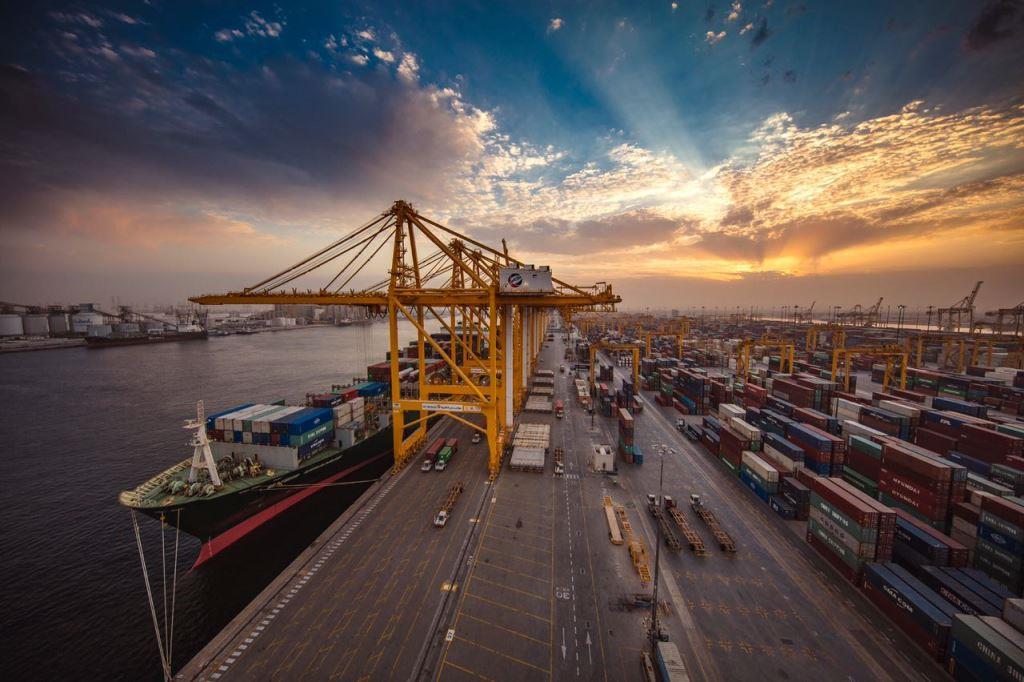
This isn’t just a technical upgrade; it’s an economic facilitator. For years, “the last mile” across Gulf borders was hampered by manual paperwork. The new electronic linkage acts as a central nervous system for regional supply chains.
“The launch of this phase reflects our commitment to modernizing the customs work system,” stated Youssef Al Nuwaif, Director General of Kuwait Customs, during a recent inspection tour. “Facilitating procedures must be balanced with high security standards.”
Expected gains include:
Strengthened Risk Management: Enhanced auditing and data accuracy to protect national economies from smuggling.
Reduced Clearance Times: Shipments can be pre-cleared based on shared digital data.
Paperless Operations: A move away from physical document couriers toward a “Gulf network” of digital files.



Security Meets Speed: How It Works
There is often a fear that faster clearance means looser security, but officials have been quick to dismiss this. During the launch inspections, Kuwaiti customs leadership emphasised that facilitation won’t come at the cost of safety.
The new protocol involves a hybrid approach:
- Digital Pre-Arrival Checks: Risk assessment happens digitally before goods arrive.
- Physical Inspections: Boots-on-the-ground enforcement focuses on high-risk flags identified by the system.
As Director General Al Nuwaif remarked during his tour of the facilities, “Facilitating procedures must be balanced with high security.” This mix is being sold as the gold standard for countering smuggling while keeping the lanes open for business.
What to Watch Next

This is just phase one. For companies operating out of the UAE, Saudi Arabia, and the wider Gulf, the coming months will be critical.
Traders should keep an eye on the staged rollout across other GCC member states throughout early 2026. We also expect to see tighter integration with the GCC Integrated Customs Tariff, further unifying duties and taxes. The real test, however, will be the practical effects on the ground: will we see a visible drop in queue times at land borders?
Conclusion
The launch of the GCC electronic customs linkage is a practical, if incremental, step toward the long-promised unified Gulf customs system. If implemented smoothly across all member states, it could finally unclog the delays that shippers have battled for years, nudging intra-GCC trade toward a faster, more seamless future.