Nearly 13,000 flights scheduled into and out of the Middle East have been cancelled since February 28, aviation data show, after strikes and retaliatory military activity prompted widespread airspace closures. The cancellations affected major Gulf hubs and prompted emergency repatriation operations.
Table of Contents
Airspace closures
Airspace over several countries was closed or heavily restricted after strikes and missile or drone activity. Full closures were reported over Iran, Iraq, and Israel, while Bahrain, Saudi Arabia, Kuwait, and parts of Syria issued partial closures or restrictions. Major Gulf corridors used for Europe–Asia and Europe–Africa services were disrupted.
Total Flights Affected
Aviation analytics firm Cirium recorded that of roughly 32,003 scheduled flights between Feb. 28 and early March, 12,903 were cancelled — about 40.3% of scheduled services. Cirium’s day-by-day breakdown showed 3,133 cancellations on Saturday, 5,270 on Sunday, and 4,500 on Monday.
Major carriers affected

Regional flag carriers suspended most scheduled services. Emirates, Etihad Airways, and Qatar Airways halted routine flights at peak closure periods, operating a limited number of evacuation and cargo services only. European and international carriers also announced suspensions or route cancellations.
The Air France‑KLM group said it had cancelled services to and from several Middle East cities pending security reviews. Air France suspended flights to Tel Aviv, Beirut, Dubai, and Riyadh through March 5, while KLM extended some cancellations through March 9. The carrier group cited passenger and crew safety as the reason for the suspensions.
Timeline of operations
Initial cancellations began after the first reported strikes and retaliatory incidents on Feb 28. By March 1–2, cancellations multiplied as airspace notices expanded and carriers grounded flights. From March 2–3, some limited repatriation and humanitarian services were authorised, while full commercial schedules remained suspended or curtailed.
Passengers and repatriation
News agencies reported tens of thousands of travellers stranded at transit and origin airports across the region. Governments and carriers organised charter and government evacuation flights to repatriate nationals. Airports receiving repatriation flights set temporary processing procedures amid rapidly changing flight permissions.
Specific route disruptions
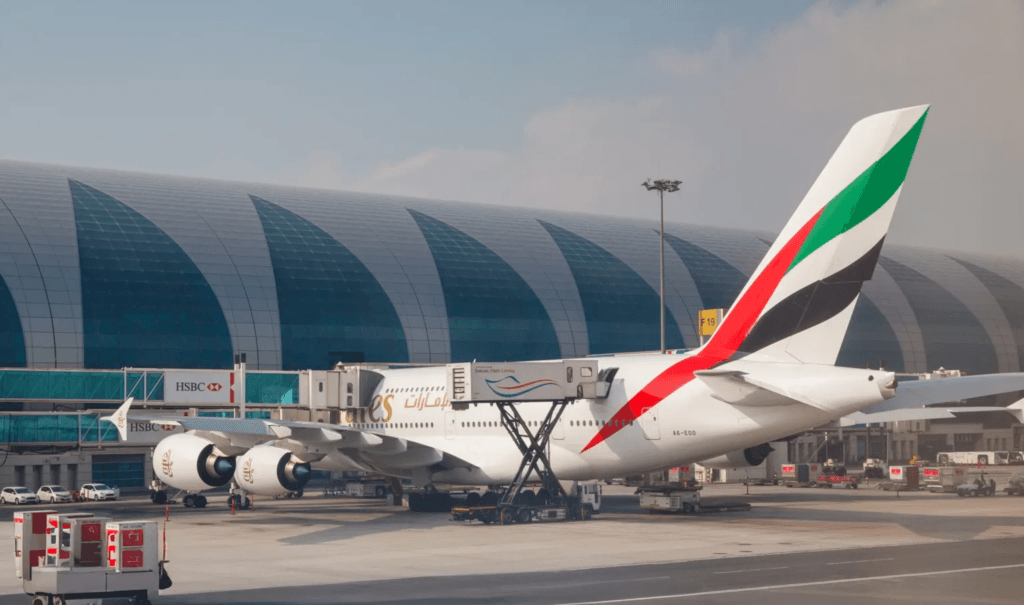
Intercontinental routings that normally connect through Gulf hubs saw high cancellation rates. Cirium and airline notices recorded widespread suspensions on routes such as Dubai–London and Riyadh–London. Several carriers published route-by-route cancellation lists and revised schedules as airspace clearances were reviewed.
Aviation authorities in affected states issued NOTAMs restricting flights; airlines cited these notices and rising security risks when announcing cancellations. Carrier statements stressed monitoring of the situation and commitment to resuming normal services only after safety and airspace clearances were confirmed.