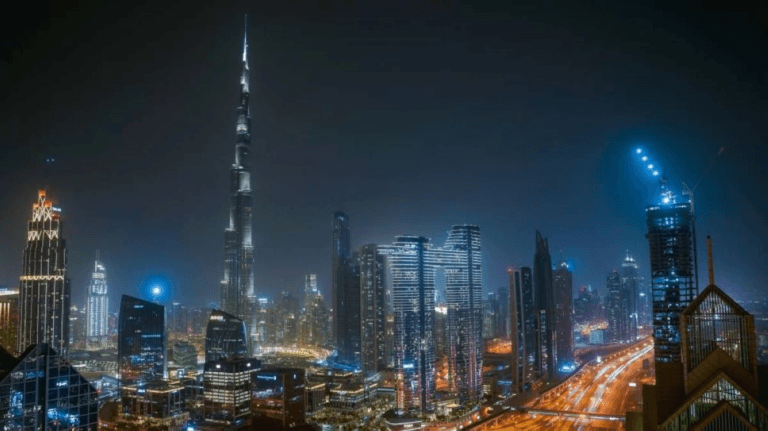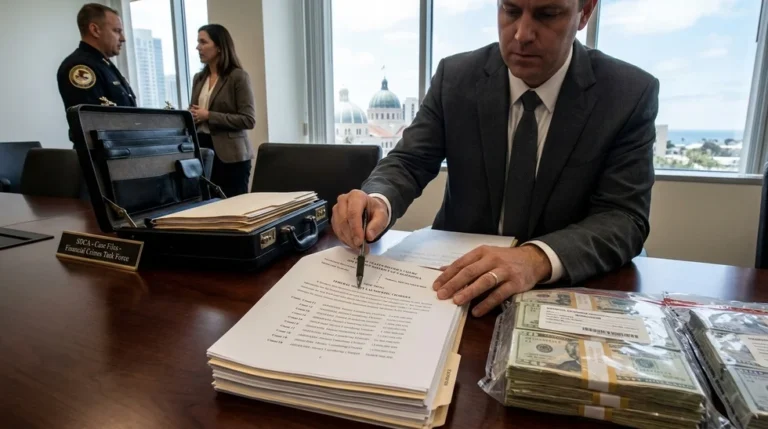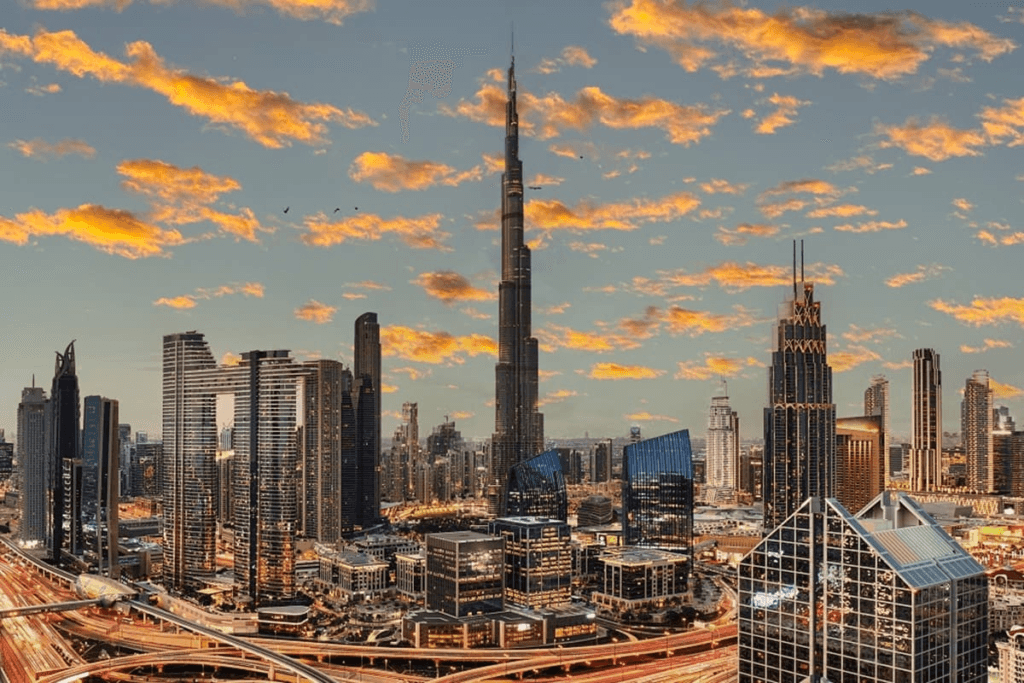
Dubai has quietly but firmly established itself as a serious global wealth centre. As capital shifts across borders and high-net-worth individuals reassess where they want to live and invest, the emirate keeps showing up on their shortlist. Record foreign direct investment and steady millionaire inflows suggest this isn’t a short-term wave. For many investors, Dubai now represents stability — not just opportunity.
Table of Contents
Global capital realignment
The UAE brought in $33.2 billion in greenfield foreign direct investment in 2025, a sharp 78 per cent jump year-on-year, according to the latest investment figures. That’s not a marginal uptick — it signals a clear pivot in how international capital is being deployed.
In 2025 alone, 1,491 new projects were announced across the country. Stretch the timeline back five years, and the numbers become more telling: nearly $100 billion secured through over 5,600 projects. Investors are not simply testing the waters. They’re committing.
Preferred gateway
Dubai absorbed the lion’s share of that activity. The emirate accounted for more than four-fifths of total UAE project inflows, hosting over 1,200 new investment initiatives in a single year.
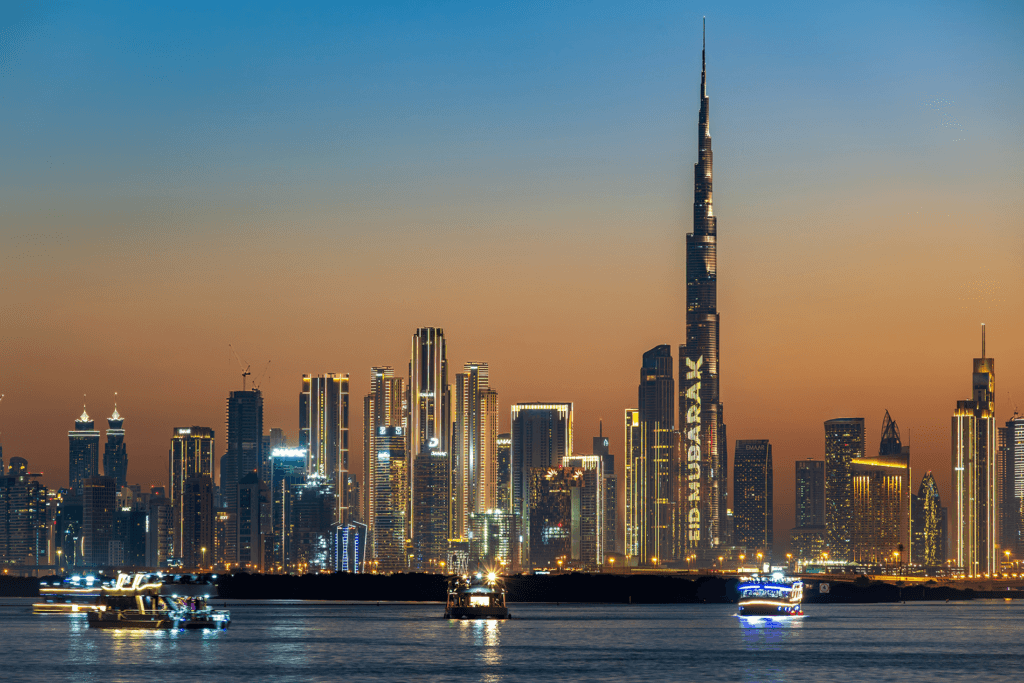
It’s not hard to understand why. From finance towers in DIFC to logistics hubs near Jebel Ali, Dubai has positioned itself as a launchpad into the Middle East, Africa and South Asia. Multinationals continue to expand regional headquarters here, while new entrants treat the city as a natural base of operations. The sector mix is broad — tech, finance, property, trade — and that breadth reduces dependence on any one engine.
Economic strategy
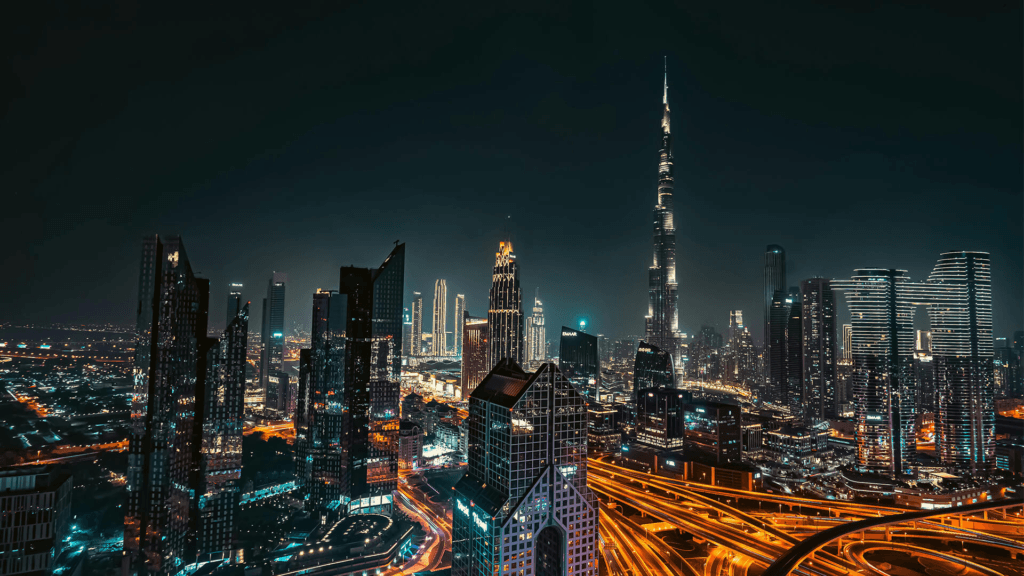
Much of this momentum can be traced back to policy design. The UAE has leaned heavily into regulatory openness and structural reform.
Foreign investors can own businesses outright in most sectors. Licensing has become faster. Legal reforms have aimed to accommodate emerging industries rather than restrict them. Officials consistently point to diversification and innovation as long-term priorities — and the policy direction has remained steady, which investors tend to notice.
Wealth migration
Parallel to corporate inflows is a quieter but equally significant movement of people.
According to Henley & Partners, Global migration reports show the UAE leading the world in millionaire relocation. Approximately 9,800 net new high-net-worth individuals are projected to move to the country in 2025 — the highest figure globally. Industry insiders say a large portion ultimately choose Dubai as their home base.
These individuals are arriving from Europe, South Asia, Africa and North America. The motivations vary, but conversations in private wealth circles often come back to the same themes: fiscal predictability, political calm and a long-term residency framework.
Strong structural advantages
Advisers frequently describe the UAE’s appeal as unusually balanced.
Long-term residency options — including multi-year Golden Visas — sit alongside strong schools, healthcare infrastructure and global air connectivity. For many relocating families, it’s not simply about business. There’s an ecosystem that supports daily life as much as it supports enterprise.
That combination is difficult to replicate in one place, and it’s part of why movement has remained consistent rather than episodic.
Low-tax structure with stability and security
Zero personal income tax remains a decisive factor. In a global environment where tax policies are evolving rapidly, the clarity of the UAE’s framework stands out.
The dirham’s peg to the US dollar also adds an element of currency stability — something sophisticated investors factor into long-term planning. Wealth managers increasingly describe relocation as a strategic move, not a lifestyle indulgence. Where assets sit geographically now carries as much weight as where they’re invested.


Investor confidence
The country’s broader economic base has reinforced that confidence. Non-oil sectors contribute more than 70 per cent of the UAE’s GDP, a milestone that reflects years of diversification efforts.
Capital continues to flow into artificial intelligence, digital infrastructure, logistics, tourism and renewable energy. These are not niche segments; they represent forward-looking industries aligned with global demand. In 2025, India and the United States emerged among the leading sources of announced FDI projects, underscoring continued engagement from major economies.
Private wealth platform
Behind the scenes, Dubai’s wealth infrastructure has grown alongside inflows.
Private banks, advisory firms and financial centres such as DIFC are registering new entities catering to family offices and long-horizon capital. Property markets offer another signal. Transactions in prime and ultra-prime segments have remained active, reflecting sustained interest from high-net-worth buyers establishing residence.
One gets the sense that the city is no longer just attracting wealth — it’s embedding it.
Investment flows
Capital deployment is spreading across sectors. Technology infrastructure projects, logistics expansions, renewable energy plants and advanced manufacturing initiatives have featured prominently in recent announcements.
Meanwhile, the number of foreign investing companies operating in the UAE has nearly tripled over the past five years. That kind of growth points to structural engagement, not opportunistic entry.
Multi-zone business system
The UAE’s network of more than 40 free zones continues to play a central role. These zones streamline incorporation, offer operational flexibility and cluster similar industries together.
For startups and multinational subsidiaries alike, the process of setting up remains relatively efficient by global standards — something executives frequently cite in private discussions.
Structured economic management
Ultimately, much of Dubai’s wealth appeal traces back to policy stability. Macroeconomic management has remained measured. Infrastructure investments continue. Legal frameworks evolve, but without abrupt reversals.
At a time when several traditional wealth centres are navigating tax reforms and political shifts, that continuity has strengthened Dubai’s reputation as a dependable base for global capital.