Dubai’s ruler has issued Law No. (2) of 2026 — a single, sweeping framework for public safety across the emirate. This is a practical law: it tells event organisers, building owners and suppliers exactly what’s expected and when they must comply. Why it matters: penalties are steep and inspections will be routine, so operators should read the rules now, not later.
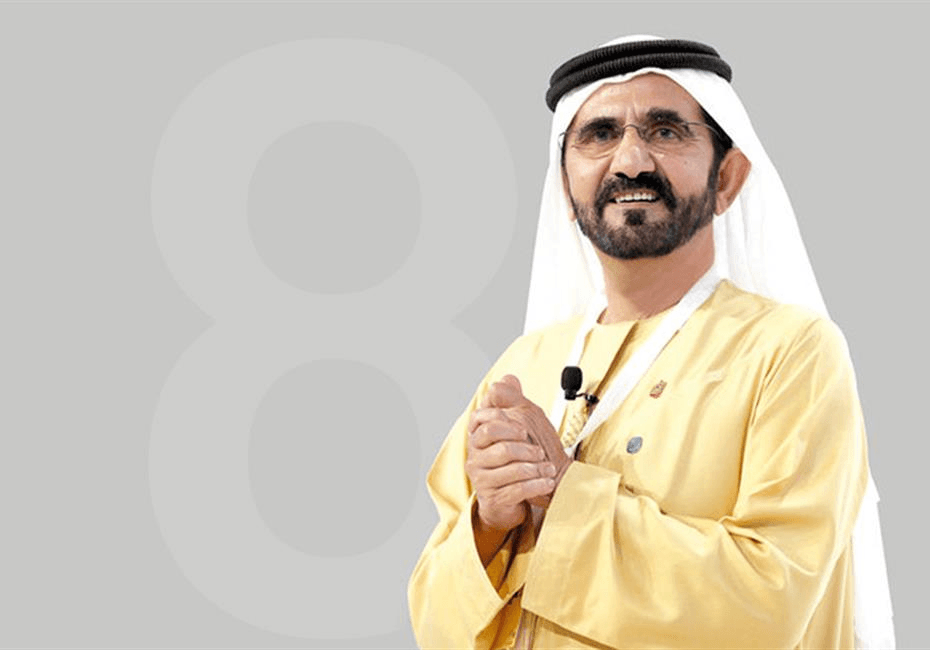
His Highness Mohammed bin Rashid Al Maktoum issued Law No. (2) of 2026 in his capacity as Ruler of the emirate. The text will be published in the Dubai Media Office and placed in the Official Gazette ahead of the law’s start date. The initial announcement underlines that the measure is intended to be transparent and publicly available before it comes into force.
Table of Contents
Effective date and compliance period
The law takes effect on 1 June 2026. After that date, affected parties have a two-year window to meet its requirements. The Executive Council may grant a one-time extension if Dubai’s Municipality recommends it, which gives some breathing room for complex projects. Practically, that means planning and any major works should start soon if they haven’t already.
Areas covered by the law
Law No. (2) of 2026 covers:
- public venues and organised events;
- residential and commercial buildings and maintenance works;
- beaches, swimming pools and waterfront facilities;
- consumer products and devices placed in the market for public use.
Venue and facility requirements
Organisers, owners and operators are now required to adopt clear, documented safety measures. Expect enforceable rules on safe entry and exit points, crowd-capacity limits and minimum standards for lighting and ventilation. Venues must also keep emergency evacuation plans, alarm systems and firefighting tools in working order, and ensure trained safety supervisors and first-aid resources are on site.
Signage and a public safety management plan will be standard. In everyday terms: if you run an event, you will need a written risk plan and visible safety instructions — inspectors will look for both.



Prohibited acts and product rules
The law expressly bans unauthorised activities and unsafe products. It prohibits:
- possession or use of explosives, fireworks, toxic or highly flammable materials without authorisation;
- placing hazardous items in public waste containers or tampering with waste systems;
- interfering with manholes, sewer pipes or storm-water drains.
Products supplied for public use must meet safety requirements and carry usage instructions in Arabic and English; sale or distribution of non-compliant items is forbidden.
Fines, enforcement and appeals
Penalties range from Dh500 up to Dh1 million depending on the offence’s severity; repeat breaches within one year may double fines to a maximum of Dh2 million. Enforcement responsibility lies mainly with Dubai Municipality, whose authorised officials can inspect premises, record violations and issue reports. Where needed, they may coordinate with police or other government bodies during enforcement operations. Several UAE outlets flagged the steep penalties when reporting the law.
If an individual or business receives a penalty, they can submit a written appeal within 10 working days of notification. An appeals committee appointed by the Director-General of the municipality must issue its final decision within 30 days. That provides a clear — and fairly tight — dispute timetable.