In Dubai’s rental ecosystem, Ejari Dubai continues to sit quietly at the centre of every legally valid tenancy. Overseen by the Dubai Land Department and regulated through RERA Dubai, the system exists to ensure each tenancy contract is formally recorded, standardised and enforceable.
For most residents, Ejari only becomes visible when something stalls — a utility connection, a visa renewal, a dispute. By then, its importance is already clear.
Table of Contents
DLD reinforces legal record-keeping for Ejari Dubai tenancy contracts
The Dubai Land Department runs Ejari under RERA rules to create a single, official record of rental agreements across the emirate. That record is what service providers and authorities look for when processing bills, visas, or disputes. Small mismatches between a tenancy contract and Ejari entries can cause real hassles, so accuracy matters.
Mandatory Ejari Registration for All Rental Agreements
All residential and commercial leases in the city must undergo Ejari registration. Authorities have repeatedly flagged that unregistered agreements fall outside government recognition, no matter how complete they appear on paper.
Although landlords remain legally responsible, the task often falls to tenants or agents. In practice, many renters learn about Ejari only when they’re asked for the certificate at a service counter.
Digital access: UAE Pass, Dubai REST, and certificate retrieval
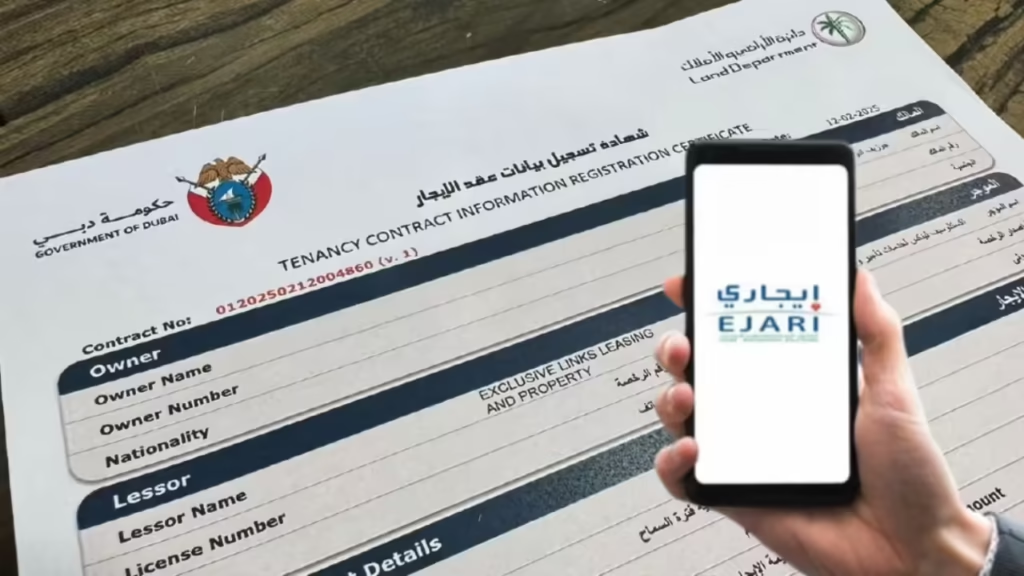
Most filings now flow through the DLD e-services or the Dubai REST portal, both of which use UAE Pass for secure login. Once registered, tenants can retrieve their Ejari certificate online by entering the contract number or DEWA reference. In practice, having that certificate handy speeds up DEWA activations and routine official tasks.



Operational changes: co-occupant disclosure and messaging channels
Authorities have asked for clearer records of who actually lives at a property to curb unauthorized subletting and risky co-living setups. At the same time, DLD and approved trustee providers are rolling out convenience channels — including WhatsApp-based services — to make registrations less painful. The aim is to tighten oversight while cutting back on unnecessary office visits.
Practical steps for tenants and landlords
To register or renew Ejari, you’ll need a signed tenancy contract, IDs for all parties, a DEWA or municipality reference, and title proof or Oqood when required. Fees can be agreed between the tenant and the landlord, but acting quickly avoids service interruptions. If you prefer help, authorized typing centres and trustee providers remain an option.
Ejari Dubai has moved beyond form-filling. It’s the link between tenancy contracts and many public services, and it shapes how disputes and utilities get handled. Tenants and landlords should routinely check records, keep their Ejari certificate accessible, and update household details when things change. For thorny cases, DLD support or an authorized trustee provider can offer clarity.