DUBAI, Feb. 17, 2026 — The Emirates Mars Mission will continue scientific operations through 2028, the UAE Space Agency announced today at a press briefing in Dubai. The three-year extension was confirmed after a technical review that found the spacecraft fit for continued science work.
Table of Contents
Announcement and authority
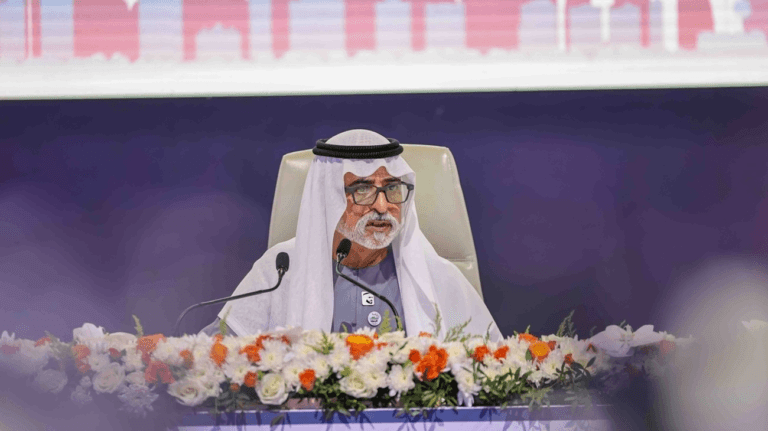
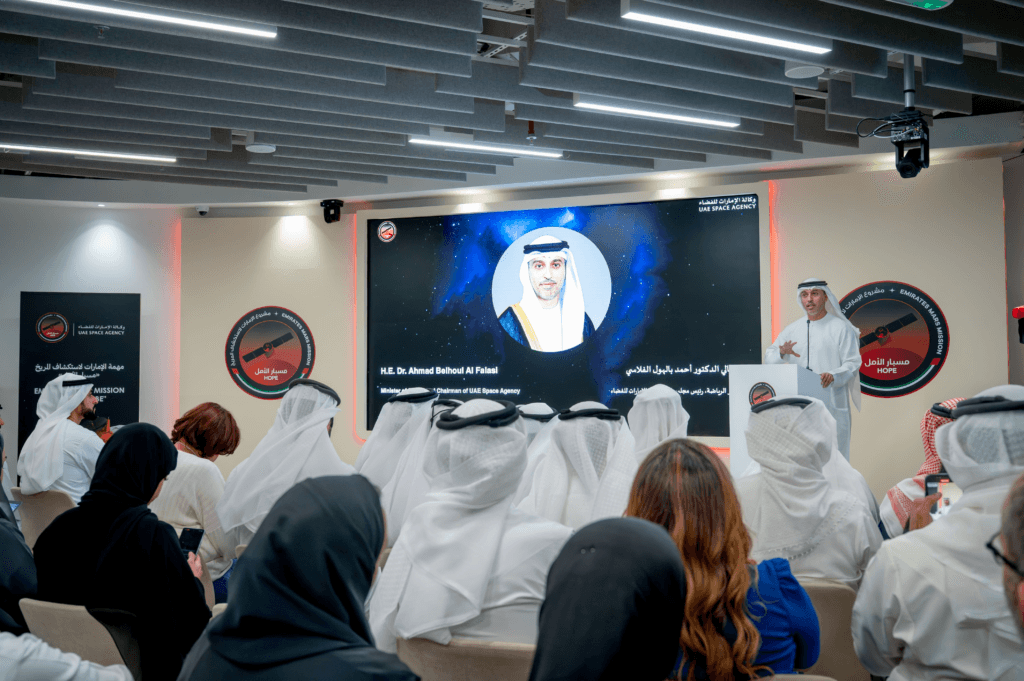
The extension was delivered by Dr. Ahmad Belhoul Al Falasi at an official press conference held with the backing of Sheikh Hamdan bin Mohammed bin Rashid Al Maktoum and the UAE Space Council. The UAE Space Agency stated the decision aims to maximise science returns and support future deep-space efforts.
Mission status and technical review
Officials said a mission-level technical review confirmed the orbiter remains in excellent condition and is able to operate through 2028. The spacecraft — originally designed for one Martian year (about two Earth years) — has now completed five Earth years of operations and surpassed its initial performance and data targets.
Key achievements
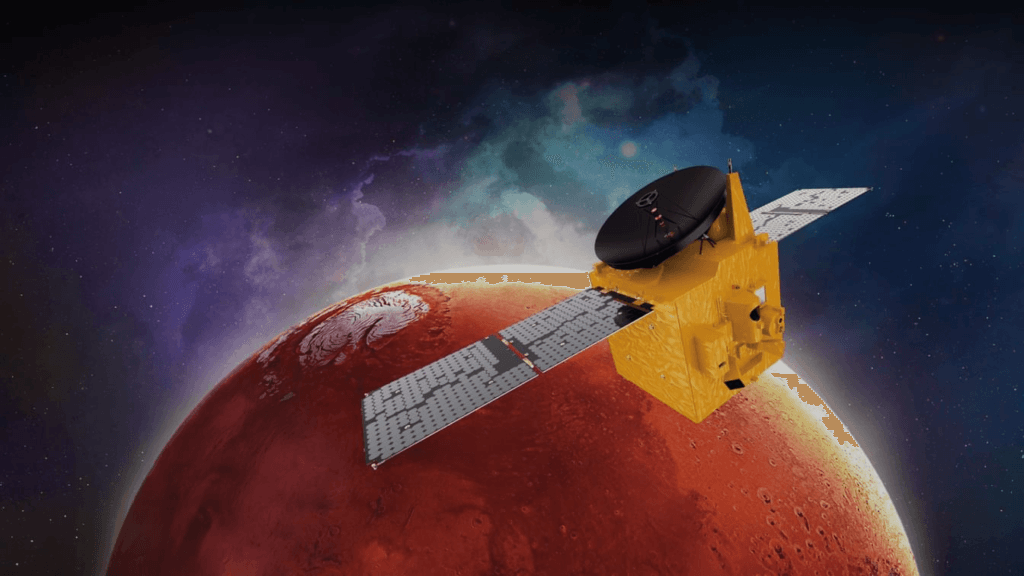
• The mission has returned more than 10 terabytes of scientific data, roughly ten times the original 1 TB objective, released in several public datasets for global researchers.
• Hope has tracked Martian dust storms across a full Martian year, revealed complex structure in the upper atmosphere, and captured high-resolution images of Mars’ moon Deimos.
• In October 2025, the orbiter recorded detailed observations of interstellar Comet 3I/ATLAS, a sighting mission scientists described as unique for a Mars orbiter.
Science priorities for the extended phase
Mission scientists said extended operations will prioritise continuous monitoring of seasonal and inter-annual atmospheric changes, with emphasis on interactions between Mars’ lower and upper atmospheres. Officials indicated that additional Martian years of data collection will produce long-term datasets for the scientific community.



National impact, outputs, and plans
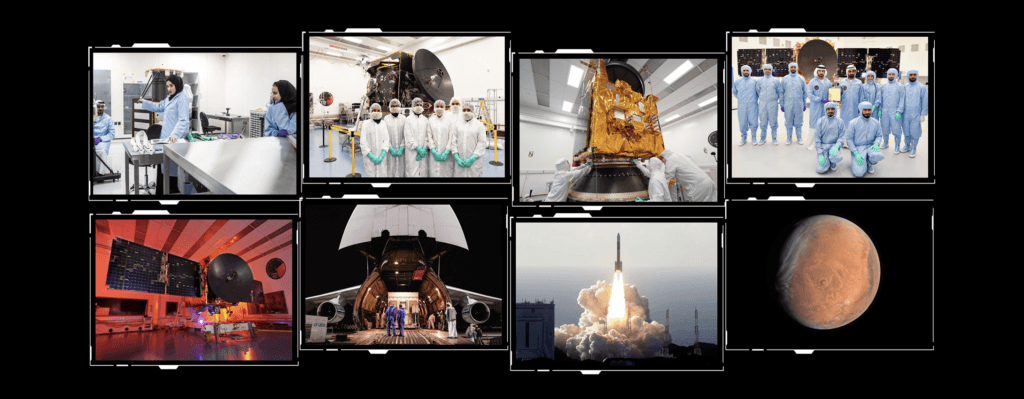
The mission team reported measurable domestic outcomes: a rise in STEM enrolment since 2020, more than 35 peer-reviewed papers using mission data, 58 Emirati students trained in university programmes, and over 250 international scientific participations tied to the project. Officials framed the extension as strengthening the UAE’s role in space science.
Officials said the extended Emirates Mars Mission will feed into the UAE’s broader space strategy and support planned deep-space projects led by Mohammed bin Rashid Space Centre, including an asteroid-belt mission targeted for later in the decade.
Operations, data policy, and quote
The probe will remain in its current science orbit and continue routine downlinks to ground stations. Mission managers reaffirmed that instrument data and scientific releases will remain open to international researchers.
Dr. Noora Al Saeed said, “Every additional Mars year of data that we get is going to unlock hundreds of years of research.”