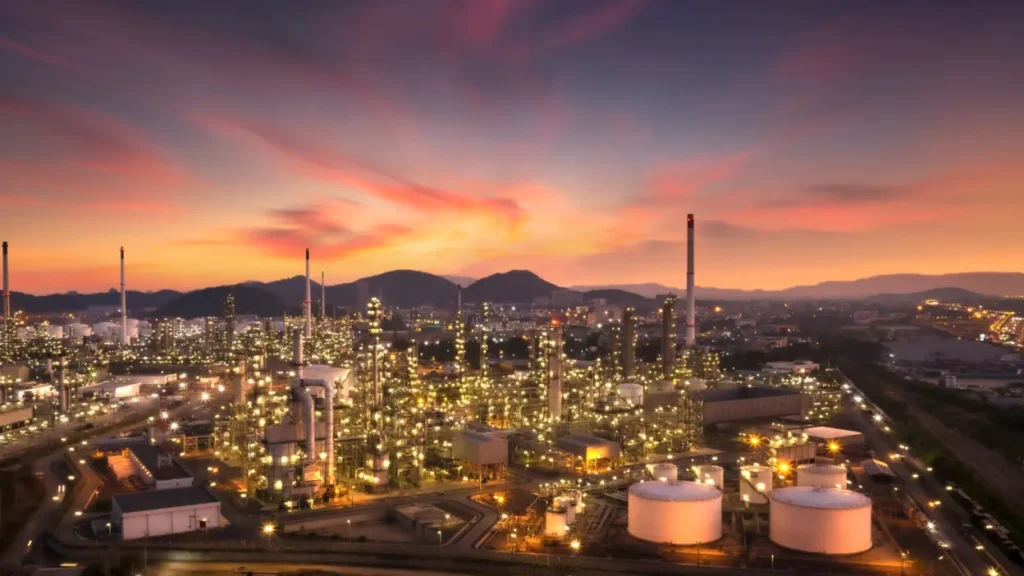
It is early 2026, and despite the endless headlines about green transitions and electric grids, the global economy still runs on a very specific fuel. We often talk about the end of the oil age, but looking at the countries with the largest oil reserves, it is clear that the old guard of energy isn’t going anywhere just yet.
The latest numbers are out. According to the 2025 OPEC Annual Statistical Bulletin and analysis circulating in newsrooms, the hierarchy of power hasn’t shifted as much as the technology has. The Middle East remains the heavyweight champion here. Yet, the number one spot for the biggest oil reserves by country still belongs to Venezuela—a nation that presents a stark paradox of immense geological wealth against struggling infrastructure.
For us here in the UAE, the update is reassuring. We aren’t just holding ground; we are solidifying it. The Emirates currently ranks 6th globally, sitting on roughly 113 billion barrels of confirmed oil reserves by country. It’s a comfortable position to be in.
Table of Contents
The Global Titans: Who Leads the World in 2025?
There is always a difference between what you can pump today and what you have in the bank for tomorrow. Proven oil reserves worldwide are about that long-term potential. Venezuela is technically the leader with an estimated 303 billion barrels. But anyone watching the markets knows the reality is different; having the oil and being able to get it to market are two very different things.
Then you have Saudi Arabia. They are the runner-up with 267 billion barrels, but unlike the top spot, their infrastructure is seamless. It’s a machine that rarely misses a beat.
The Top 10 List: World Oil Reserves Ranking
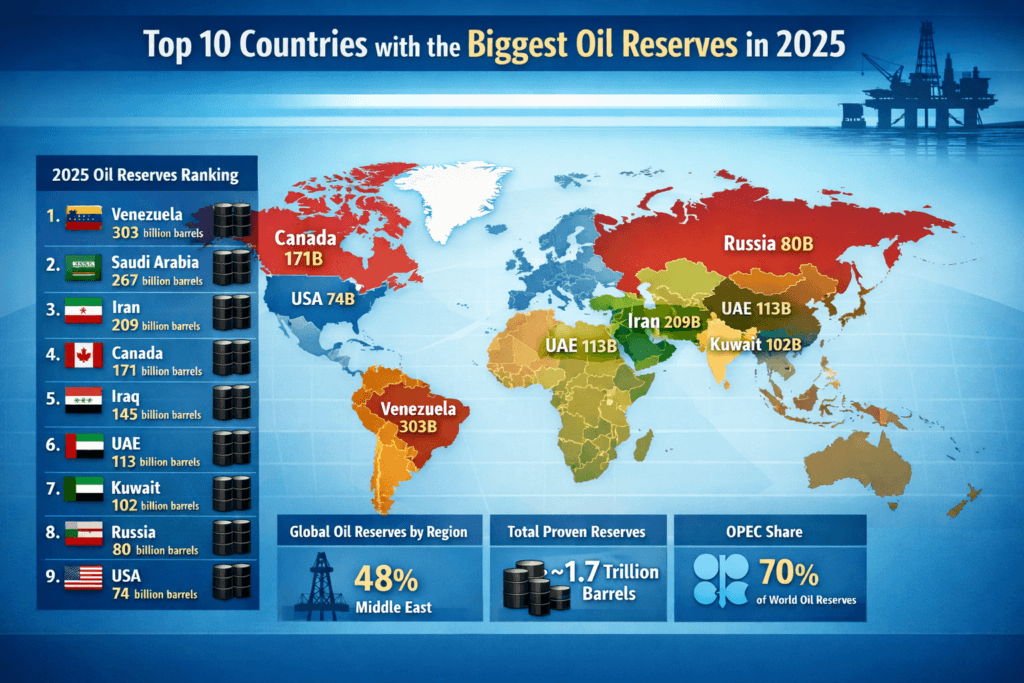
The data for the fiscal year ending 2025 paints a clear picture. These are the top oil reserve countries holding the keys to energy security:
1. Venezuela
- Confirmed reserves: ~303 billion barrels
- Holds the world’s largest proven crude oil reserves, largely in the Orinoco Belt
- Production constraints persist despite reserve size
2. Saudi Arabia
- Confirmed reserves: ~267 billion barrels
- Backbone of global spare production capacity
- Remains central to OPEC supply management
3. Iran
- Confirmed reserves: ~209 billion barrels
- Reserves remain underdeveloped due to sanctions and investment limits
4. Canada
- Confirmed reserves: ~171 billion barrels
- Majority tied to oil sands, requiring high-cost extraction
5. Iraq
- Confirmed reserves: ~145 billion barrels
- One of the lowest production costs globally
6. United Arab Emirates
- Confirmed reserves: ~113 billion barrels
- Abu Dhabi holds nearly all the national reserves
- Central to regional energy and export stability
7. Kuwait
- Confirmed reserves: ~102 billion barrels
- Strong reserve-to-production ratio supports long-term output
8. Russia
- Confirmed reserves: ~80 billion barrels
- Large Arctic and Siberian resource base
9. United States
- Confirmed reserves: ~74 billion barrels
- Shale oil dominates reserve growth
10. Libya
- Confirmed reserves: ~48 billion barrels
- Africa’s largest proven oil reserves
Source: OPEC Annual Statistical Bulletin 2025



UAE’s Strategic Energy Vision
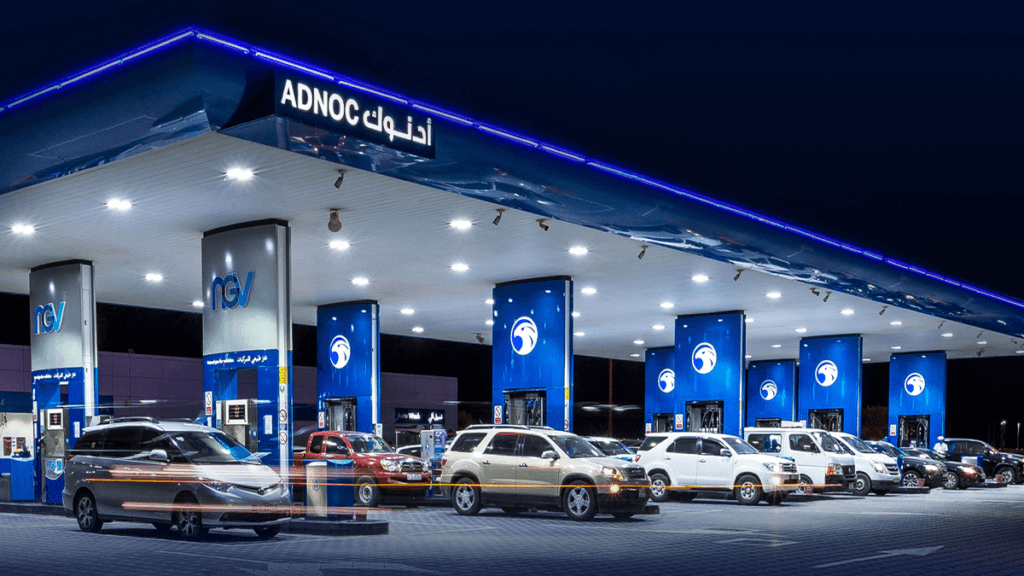
When we look at global oil reserves by region, the United Arab Emirates stands out for reasons beyond just volume. With 113 billion barrels of confirmed crude oil reserves by country, the strategy here has never been about just sitting on a resource. Under the stewardship of giants like ADNOC, the country is expanding capacity while paradoxically pouring billions into the post-oil future.
“The UAE’s energy strategy is a masterclass in balance,” says a senior energy analyst we spoke to in Dubai. “It’s about maximizing the hydrocarbon value today to pay for the diversified economy of tomorrow.”
Production vs. Reserves: The US Anomaly
There is an interesting outlier in the data. The United States ranks down at 9th for largest petroleum reserves, yet if you look at daily output, it is often number one. It’s the shale revolution at work—rapid extraction, high volume. But here is the catch: unlike the oil-rich countries list 2025, leaders like the US or Saudi Arabia, the US burns through its inventory fast. It highlights why the global crude oil reserves in the GCC are so critical; we are playing the long game.
Conclusion
As 2026 unfolds, this world oil reserves ranking is more than just a list of numbers. It’s a map of geopolitical leverage. For the UAE, retaining that 6th spot confirms economic stability in a volatile world. The energy transition is happening, sure, but these top 10 countries with the biggest oil reserves are going to dictate the pace of that change for a long time to come.