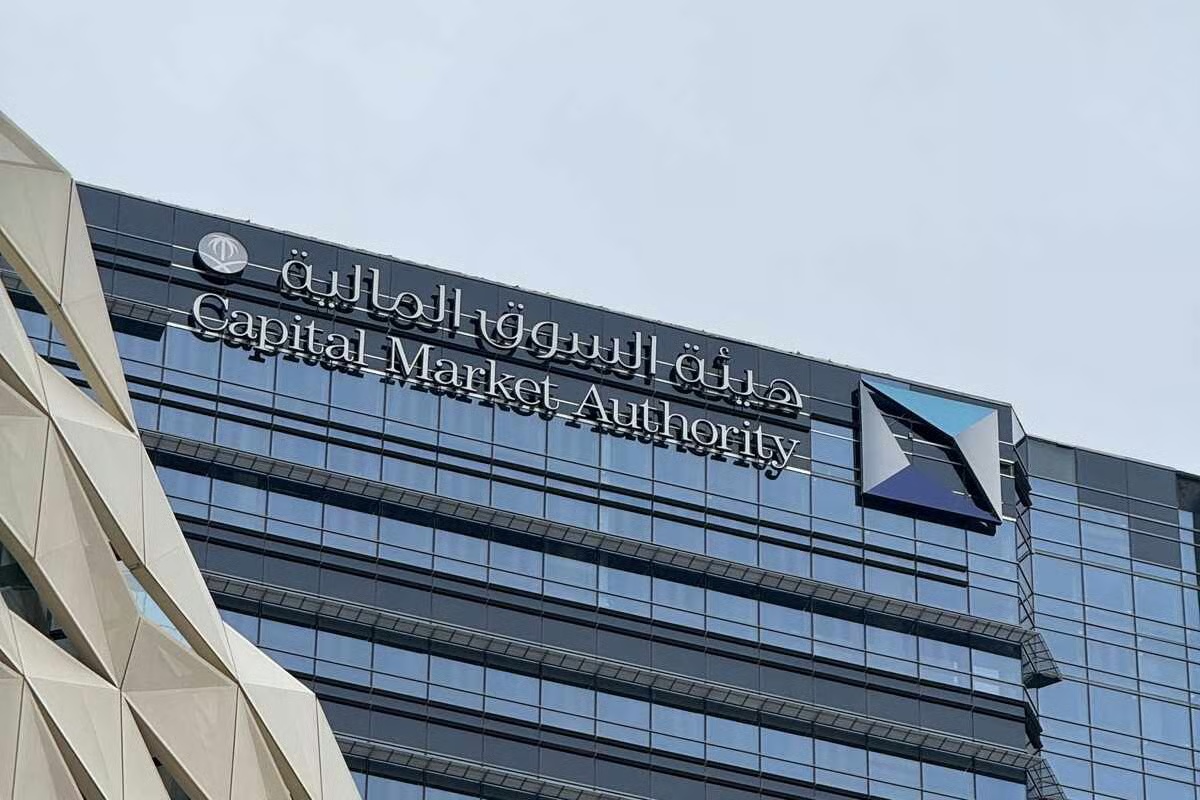
RIYADH/DUBAI — In a historic policy shift that reshapes the Middle East’s financial landscape, Saudi Arabia has announced it will fully open its stock exchange to all foreign investors starting next month. The Capital Market Authority (CMA) confirmed that, effective February 1, 2026, the requirement for “Qualified Foreign Investor” (QFI) status will be abolished, granting non-resident institutional and individual investors direct access to the Saudi Capital Market (Tadawul) for the first time.
The move marks the final and most significant step in Saudi market liberalization 2026, a process that has gradually eased restrictions over the past decade. By removing the regulatory firewall that previously limited direct trading to large financial institutions with over $500 million in assets under management, Riyadh is effectively inviting the global investment community to participate directly in the region’s largest economy.
Table of Contents
End of the QFI Era

For years, the QFI regime served as a gatekeeper, ensuring only massive international institutions could hold Saudi equities directly. Smaller funds, family offices, and retail investors were forced to rely on indirect methods such as swap agreements or participatory notes, which often carried higher fees and less transparency.
Under the CMA, Saudi Arabia’s new rules dismantle these barriers. The authority’s decision to abolish the QFI framework means that foreign investors—regardless of their size or location—can now trade directly on the main market. This includes access to equities, government and corporate bonds, Sukuk, and Exchange Traded Funds (ETFs).
According to the official circular, the Saudi Capital Market Authority February 1 streamlined the entry process significantly. Foreign investors will no longer need CMA approval to trade; instead, they can open a portfolio directly through a licensed Saudi brokerage firm.
Strategic Shift for Vision 2030
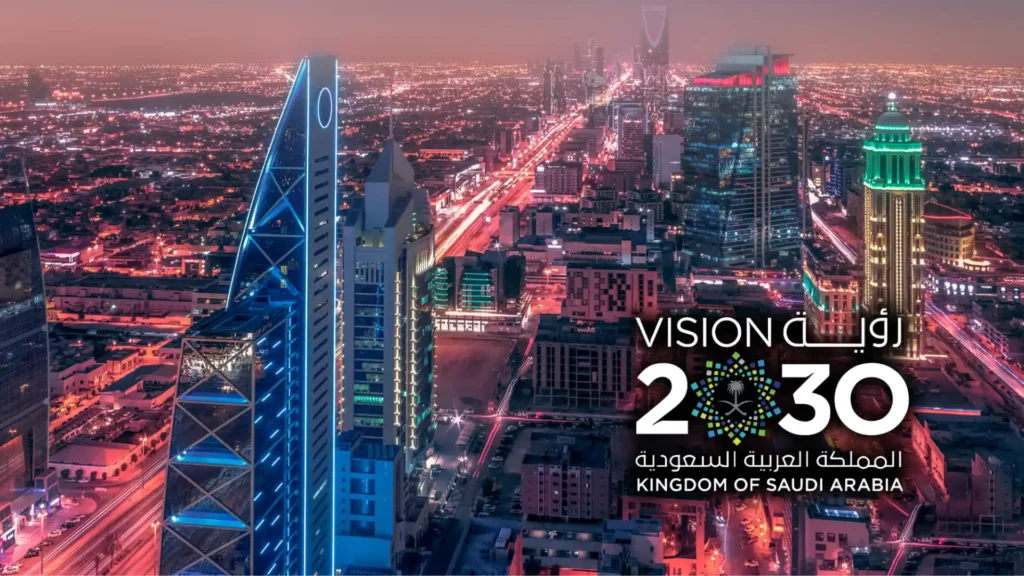
The timing of this decision is closely aligned with the final phase of Saudi Arabia’s Vision 2030 capital market reforms. The Kingdom is aggressively diversifying its economy away from oil, and deepening its capital markets is critical to funding the gigaprojects that define its transformation, from NEOM to the Red Sea Global initiatives.
Market analysts in Dubai view this as a decisive play to boost foreign liquidity. “This is not just a regulatory update; it is a structural evolution,” noted a senior equities strategist at a UAE-based investment bank.
“By allowing direct access to the Saudi stock market for foreigners, the CMA is unlocking billions in potential passive and active capital that was previously sidelined by administrative friction.”
The anticipated Tadawul liquidity boost is expected to reduce volatility and improve price discovery for listed companies. Furthermore, it positions Saudi Arabia to compete more aggressively with global financial hubs, potentially increasing its weighting in major indices like MSCI Emerging Markets and FTSE Russell.
Key Regulations for Foreign Investors

While the market is opening up, the CMA has maintained prudent safeguards to ensure stability. The new framework simplifies access but retains specific ownership ceilings to protect national interests in strategic sectors.



Key details for those looking to invest in Saudi Arabia 2026 include:
- Direct Access: Foreigners can trade directly without a QFI status.
- Ownership Limits: A 49 per cent ceiling on aggregate foreign ownership in listed companies remains in place.
- Individual Caps: Non-resident foreign investors are generally limited to owning 10 per cent of a single company’s shares.
- Swap Agreements: The regulatory framework governing swap agreements has been repealed as it is no longer necessary, though existing swaps may need to be unwound or converted.
- Strategic Investors: Foreign strategic investors may be exempt from certain caps, subject to specific conditions and holding periods.
How to Trade on Tadawul as a Foreign Investor
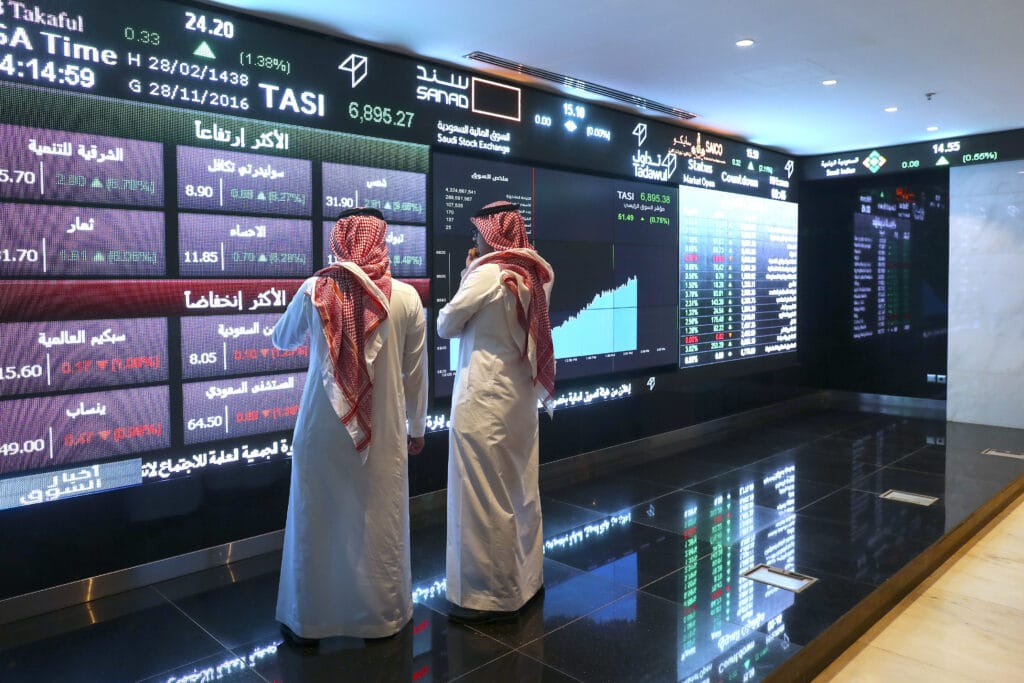
Practical implementation begins immediately on the cut-off date. From February 1, international investors will follow a simplified onboarding procedure. The requirement is now purely operational: investors must approach a Saudi Exchange (Tadawul) member—typically a local bank or brokerage—to complete Know Your Customer (KYC) procedures and open a trading account.
This ease of access is expected to trigger a surge in account openings from regional retail investors, particularly from the UAE and wider GCC, who previously faced hurdles despite the close economic ties.
Gulf Market Reaction
The Saudi market update earlier this week hinted at a positive reception from regional trading desks. Traders anticipate a “front-running” effect where local institutions increase their positions before the international floodgates open in February.
Sectors likely to benefit most include banking, petrochemicals, and the burgeoning technology sector, which has seen a flurry of IPOs in the last two years. The Saudi equity market open-access policy effectively places Saudi-listed companies on the radar of a much broader demographic of global investors, from nimble hedge funds in New York to retail day traders in Seoul.
As the Kingdom steps into 2026, the message from Riyadh is unequivocal: the Saudi market is open for business, and the velvet rope has been permanently removed.