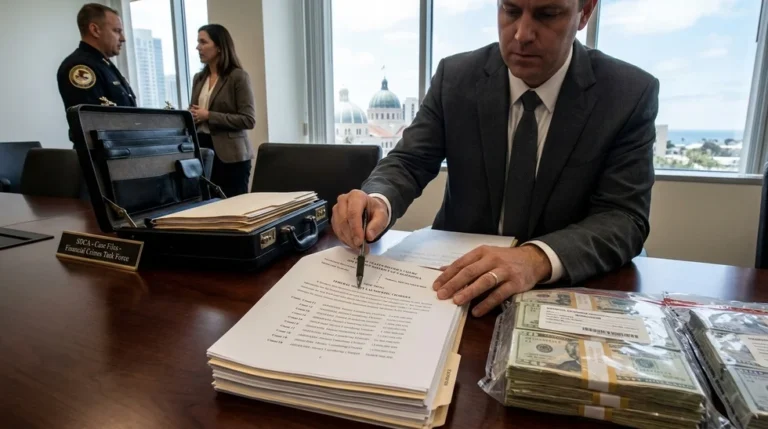
The UAE’s tightened media regime now directly affects social media advertising: UAE Media Law fines apply to sponsored posts, and the UAE Media Council has set an Advertiser Permit deadline of January 31, 2026. Creators, agencies and visiting influencers must secure permits and meet licensing rules or face administrative penalties.
Table of Contents
Advertiser Permit deadline and legal framework
The Advertiser Permit was launched by the UAE Media Council as part of the Federal Decree-Law No. 55 of 2023 implementation package. The permit covers any individual who publishes promotional content on social media, whether paid or gifted. The Council has clarified procedures and a dedicated e-services portal for applications.
“The goal isn’t just about licensing; it’s about transparency,” says a legal consultant based in Dubai. “The UAE Media Council (UAEMC) regulations ensure that consumers know when they are being sold a product and that the content aligns with national values.”
Penalty scale under the UAE Media Law fines
Regulators have made the penalties explicit. Administrative fines vary by offence: misinformation and low-level publishing breaches can draw fines from around Dh5,000, while licence-related offences — such as operating without the required permit — start at Dh10,000 for a first offence. At the top end, severe breaches affecting national security, religion or public order can attract penalties up to Dh1 million. Repeat violations bring stepped increases.
Obligations for residents, agencies and visitors
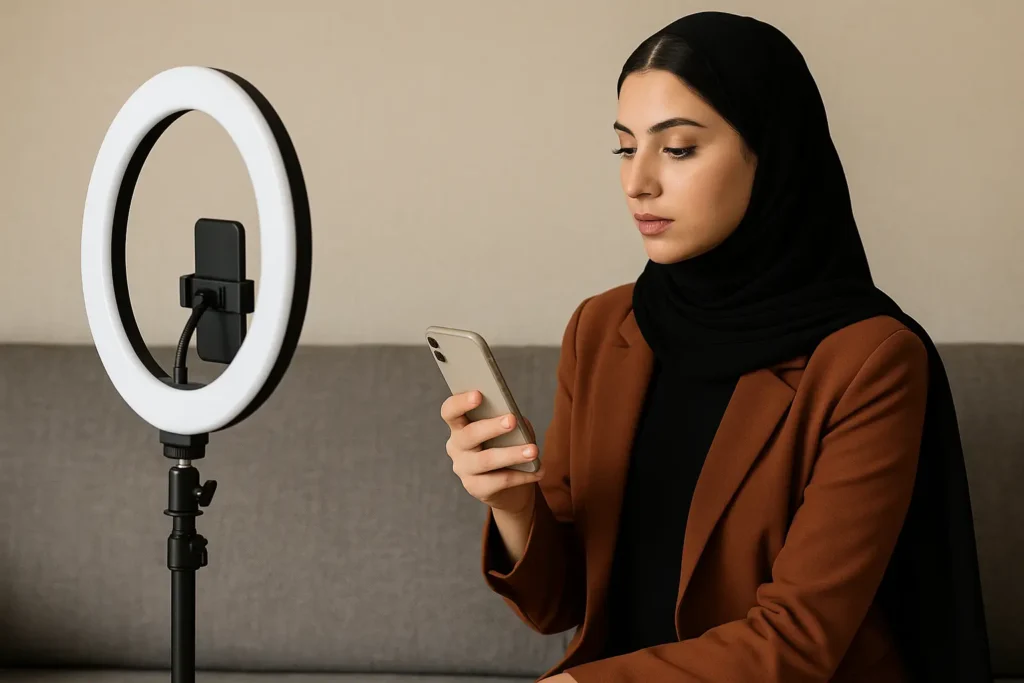
The new framework requires a two-part compliance check for many creators. Residents normally need a valid trade or freelance licence in addition to the Advertiser Permit. Agencies and talent managers are expected to verify advertiser identities and help arrange visitor permits for short-term creators. Visitors posting promotional content must apply for a Visitor Advertiser Permit through a licensed agency. The Council has said the permit is issued free for an initial transition period for residents and citizens.
Practical compliance measures adopted by the sector
Brands and platforms are already adjusting. Typical steps being recommended by compliance teams and agencies include: confirming whether a post counts as advertising, ensuring the creator’s permit number is shown on profiles, keeping written contracts for each collaboration, and archiving approvals and invoices for audits. Agencies are also checking trade licences before onboarding creators.
Application process and documentation requirements
Applicants must submit personal identification and, where relevant, a commercial trade licence through the UAE Media Council’s e-services portal, often using UAE Pass for authentication. The Council’s guidance lists age, clean record and document upload requirements. Visitor permits are issued for a limited period and can be renewed once. Resident permits, by contrast, are generally valid for a year and can be renewed annually.
Enforcement outlook and sector impact

Enforcement is expected to be largely complaint-driven, supported by targeted compliance checks. Once the grace period ends on January 31, 2026, regulators will be able to impose fines and suspend or cancel permits where violations are found. While the framework is designed to bring order and transparency to digital advertising, it also introduces extra paperwork for smaller creators and first-time influencers navigating the system. Early compliance will reduce disruption for brands and talent.
The Advertiser Permit regime changes how promotional content is treated in the UAE. Creators and brands should treat the new rules as business requirements: get the permit, hold the right trade licence or work through a licensed agency, and keep audit-ready records. That will minimise exposure to UAE Media Law fines and help campaigns run smoothly after the January 31, 2026, deadline.