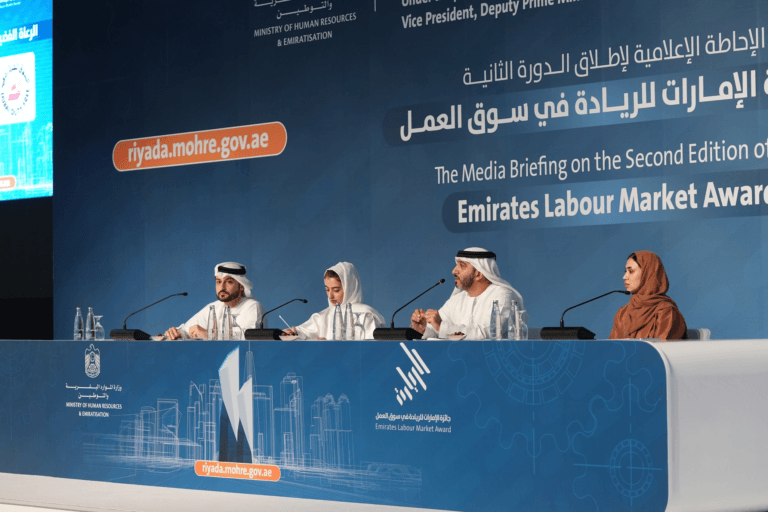
The UAE has quietly, but decisively, folded the granting of citizenship to companies into a broader set of economic reforms. Federal Decree-Law No. 20 of 2025 tweaks the Commercial Companies Law and introduces what officials call a UAE corporate citizenship initiative — a legal recognition that treats firms registered here as bona fide Emirati entities. It’s a move designed to sharpen the country’s competitive edge and deepen corporate ties worldwide.
Table of Contents
What the UAE Corporate Citizenship Initiative Entails
The UAE business citizenship framework formalises companies’ national identity. In plain terms, it gives firms registered in the UAE clearer legal standing and access to opportunities that follow from being considered Emirati. Key points include:
- Recognition as Emirati entities: Companies formed in mainland, free zones, and financial free zones will be formally regarded as UAE companies, improving credibility and market standing.
- No citizenship for shareholders: Crucially, this does not confer UAE nationality on individual owners or investors; it applies only to the corporate entity.
- Better access to trade perks: Emirati status may open the door to benefits under Comprehensive Economic Partnership Agreements (CEPAs) with partners such as India, Türkiye, and South Korea.
- Strategic expansion: Officials expect the change to help firms win preferential roles in cross-border deals and deepen foreign market access.
Economy and Tourism Minister Abdulla bin Touq Al Marri has framed the recognition as alignment with international practice: a firm registered in the UAE should be able to carry that nationality with confidence abroad. It’s a tidy line of reasoning — and one that will matter to exporters and multinationals.
Legal and Structural Reforms
These changes sit inside a wider package of UAE federal economic legislation meant to modernise company law:
- Multiple share classes: LLCs and joint stock firms can now issue different share categories, bringing governance closer to global norms.
- Transfer of registration: Firms can shift registration across emirates or zones without losing their legal identity.
- Non-profit commercial companies: The law recognises new forms of non-profit commercial entities.
Taken together, these adjustments give companies more flexibility on ownership and governance — practical stuff for businesses thinking long term.
Unprecedented Business Growth

The legal shift comes amid brisk company formation:



- More than 1.4 million companies were operating in the UAE by the end of 2025.
- About 250,000 new companies were registered in 2025 alone.
- The UAE is aiming for 2 million firms over the coming decade.
There’s momentum here. You can feel it in conversations with founders and advisers — optimism, yes, but also a search for clarity on how the rules will work in practice.
What This Means for Investors
The UAE corporate nationality scheme should:
- Draw more foreign direct investment.
- Strengthen corporate governance and business incorporation reforms.
- Offer multinational firms a clearer legal footing when they choose the UAE as home.
Remember: none of this changes immigration or residency for people. The focus is squarely on companies and their legal/commercial identity.
Conclusion
The UAE’s new corporate citizenship model is modest in wording but significant in effect. By giving firms a defined Emirati identity, the state is sharpening a competitive argument: set up here, and you carry a reliable, marketable status. For a country chasing an innovation-driven economy UAE, these legal tweaks could be the structural nudge firms need to invest, expand, and stay.