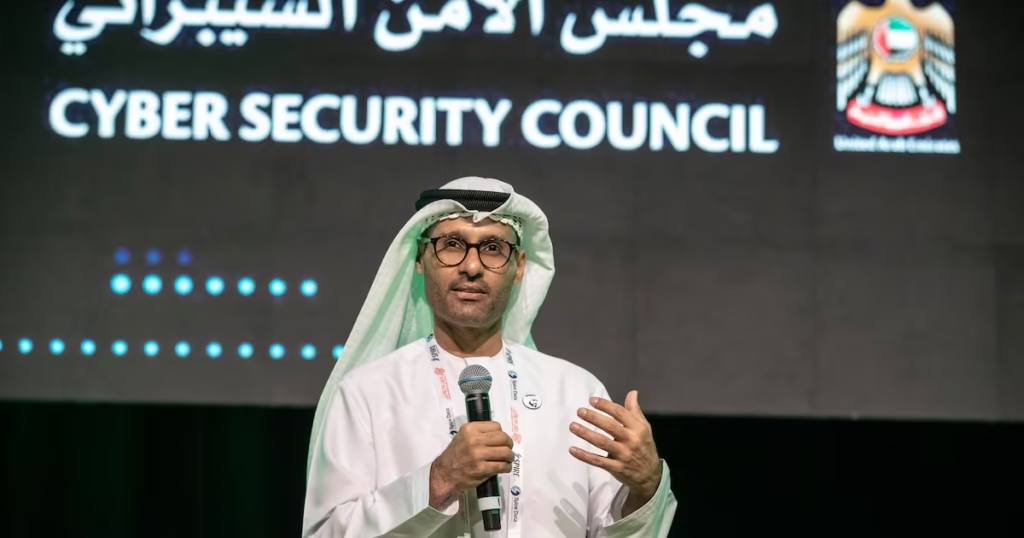
ABU DHABI – If you think you can spot a scam email from a mile away because of a few typos, it might be time to update your defenses. The UAE Cybersecurity Council has issued a stark warning regarding the rapid rise of AI-driven fraud risks, noting that the rules of the game have changed fundamentally. In fact, their latest data reveals that over 90 percent of digital breaches now start with sophisticated phishing attacks that are becoming harder for the average person to detect.
As part of its ongoing “Cyber Pulse” awareness campaign, the Council isn’t just flagging a temporary spike; it is highlighting a permanent shift in cybercrime risks in the UAE. The reality is that artificial intelligence is handing fraudsters the tools to execute complex, targeted scams in seconds—attacks that used to take weeks of planning.
Table of Contents
The Evolution of Digital Deception

We’re seeing a total transformation in how these attacks play out. The Council’s advisory points to a worrying trend in AI misuse in cybercrime. In the past, bad actors needed significant technical skills to breach a system. Now, automation does the heavy lifting.
AI-enabled scams in the UAE are leveraging this speed to devastating effect. The Council warns that the line between what’s real and what’s fake is blurring faster than most security protocols can keep up with. Algorithms can now churn out:
- Realistic Voice Imitations: We are talking about deepfake audio that sounds exactly like a colleague or family member, used to authorize transfers.
- Polished Corporate Graphics: Logos, letterheads, and layouts that look identical to the real thing, stripping away the visual cues we usually rely on.
- Deceptive Links: malicious URLs that are engineered to bypass traditional spam filters and look trustworthy at first glance.
“Tasks that once required significant time and effort can now be executed in mere seconds,” the Council noted. That’s the core of the problem: artificial intelligence fraud threats in the UAE are scaling up because the barriers to entry for criminals have virtually vanished.
Minute Details: How the Scams Operate
The alert gets specific about what this looks like on the ground. The Council highlighted that fraudsters are increasingly framing their attacks as “urgent security requests” or those “too-good-to-be-true” offers that flood social media feeds.
What makes these emerging cyber threats in the UAE so dangerous is the quality of the deception:



- Perfectly Authentic Phishing: The biggest red flag used to be bad grammar. That’s gone. Scammers now use AI to write perfectly phrased, error-free messages.
- Synthetic Identities: It’s disturbing, but AI-generated images are being used to create fake profiles that look like real people, allowing bots to mislead the public on a massive scale.
- Account Takeovers: Once they have a foot in the door, they use AI tools to validate stolen credentials instantly, locking users out before they even know they’ve been hacked.
Prevention and Defense Strategies

So, how do you protect yourself against a machine? The UAE cybersecurity awareness campaign makes it clear: technology might be the weapon, but human intuition is still the best shield. AI fraud prevention in the UAE relies on us pausing before we click.
To stay ahead of digital fraud awareness in the UAE, the Council suggests a back-to-basics approach reinforced by tech:
- Pause and Assess: Don’t let urgency panic you. If a message demands immediate money or data, take a breath.
- Verify Sources: Never trust the link in the text. Go to the official website or call the company directly.
- Enable Multi-Factor Authentication (MFA): This is non-negotiable. The Council explicitly stated that turning on MFA blocks more than 90 percent of attacks.
- Activate Security Software: Keep your antivirus updated. It’s your safety net when human judgment misses something.
A Strategic Vision for a Secure Cyberspace
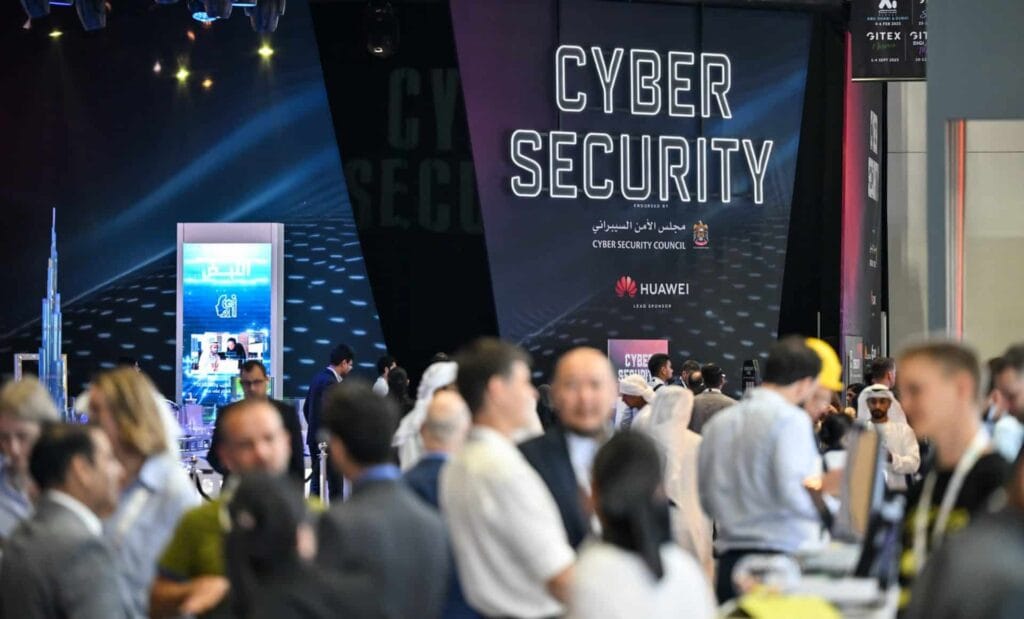
This warning comes as the “Cyber Pulse” initiative enters its second year. It’s part of a larger picture where the government is trying to build a “cyber-savvy” culture. By drilling down on AI-driven fraud in the UAE, the goal is to make sure residents aren’t just reacting to threats, but anticipating them.
The Council wrapped up by stressing that we need to support “AI-powered prioritisation of investigations.” In short, we need to use the same technology to catch the criminals that they are using to target us.