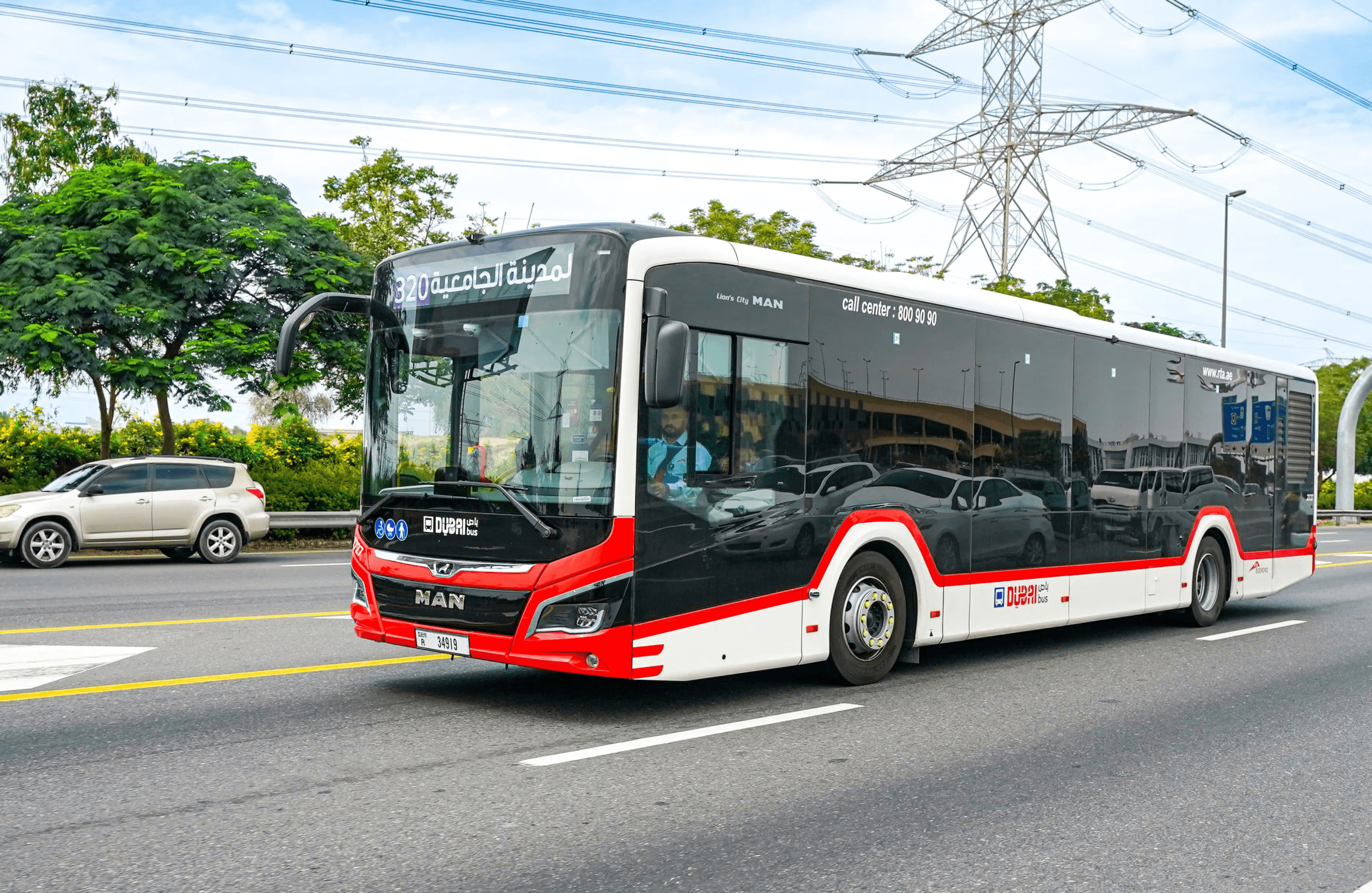
Dubai — Dubai’s Roads and Transport Authority (RTA) has officially become a member of the International Bus Benchmarking Group (IBBG), the authority announced on 9 March 2026, marking the first time a Middle East public bus operator has joined the international benchmarking network.
Table of Contents
Membership Announcement
The RTA’s entry into the IBBG was publicised through the Dubai Government Media Office on 9 March 2026, with further notices carried by national and regional news outlets. The IBBG brings together major urban bus organisations to compare performance data, share best practices and participate in structured peer reviews. RTA said the membership will link Dubai’s bus operation with leading global networks for comparative performance analysis.
Benchmarking Framework
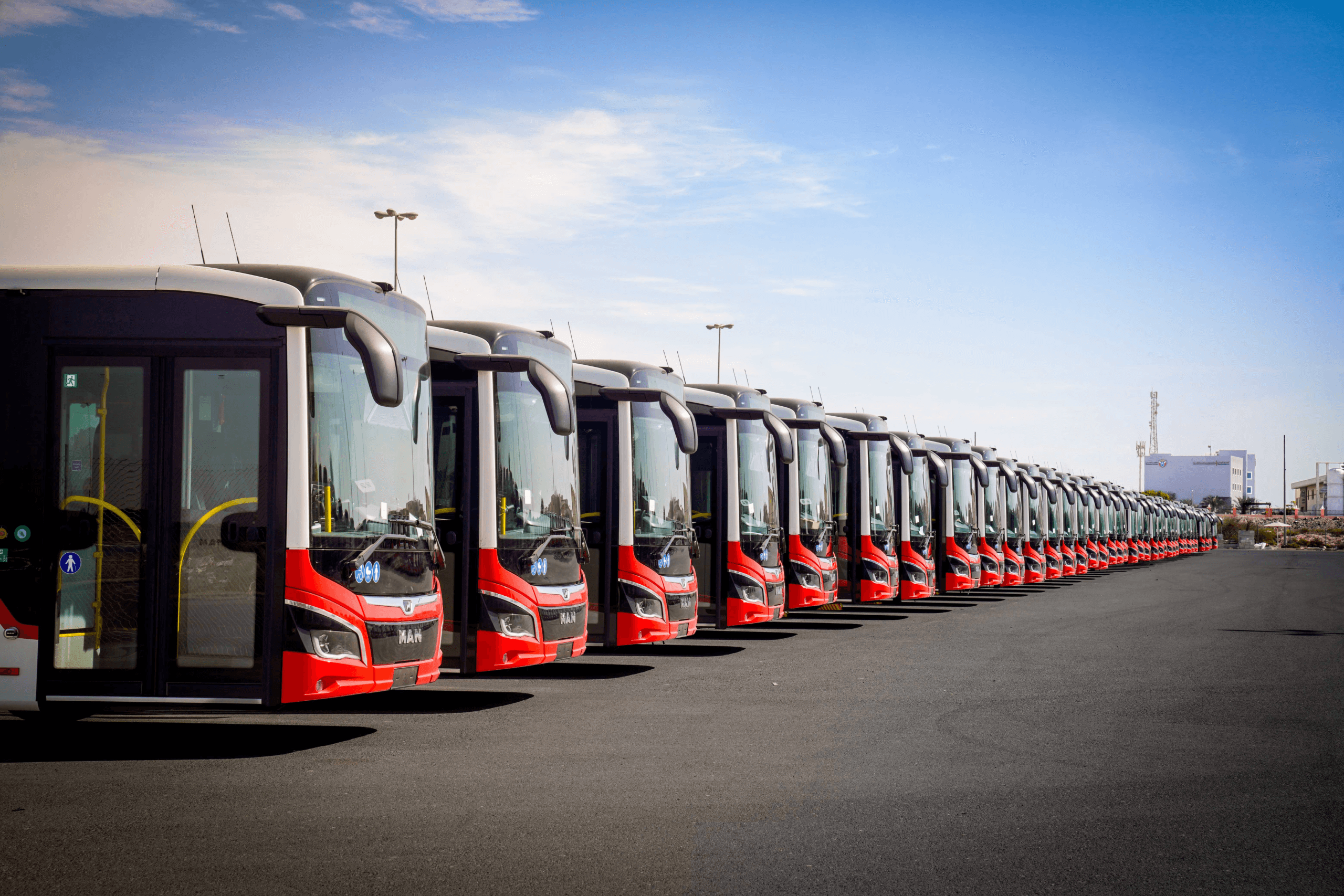
The IBBG, established to provide a confidential forum for medium and large bus organisations, uses standardised metrics and comparative analytics to measure performance across members. The group currently comprises around sixteen member organisations from major cities worldwide; members share anonymised data, attend technical workshops and contribute to joint publications administered by the IBBG secretariat. RTA will participate in the group’s structured benchmarking cycles and data exchanges.
Official Statements
Ahmed Bahrozyan, Chief Executive Officer of the RTA’s Public Transport Agency, described the move as a significant regional milestone that aligns Dubai’s bus network with international standards and allows comparison with top global operators. RTA representatives emphasised that membership will support data-driven planning, operational transparency and adoption of global best practices for service reliability and sustainability. The RTA statement highlighted the authority’s objective to enhance passenger experience and operational efficiency via international collaboration.



Operational Priorities
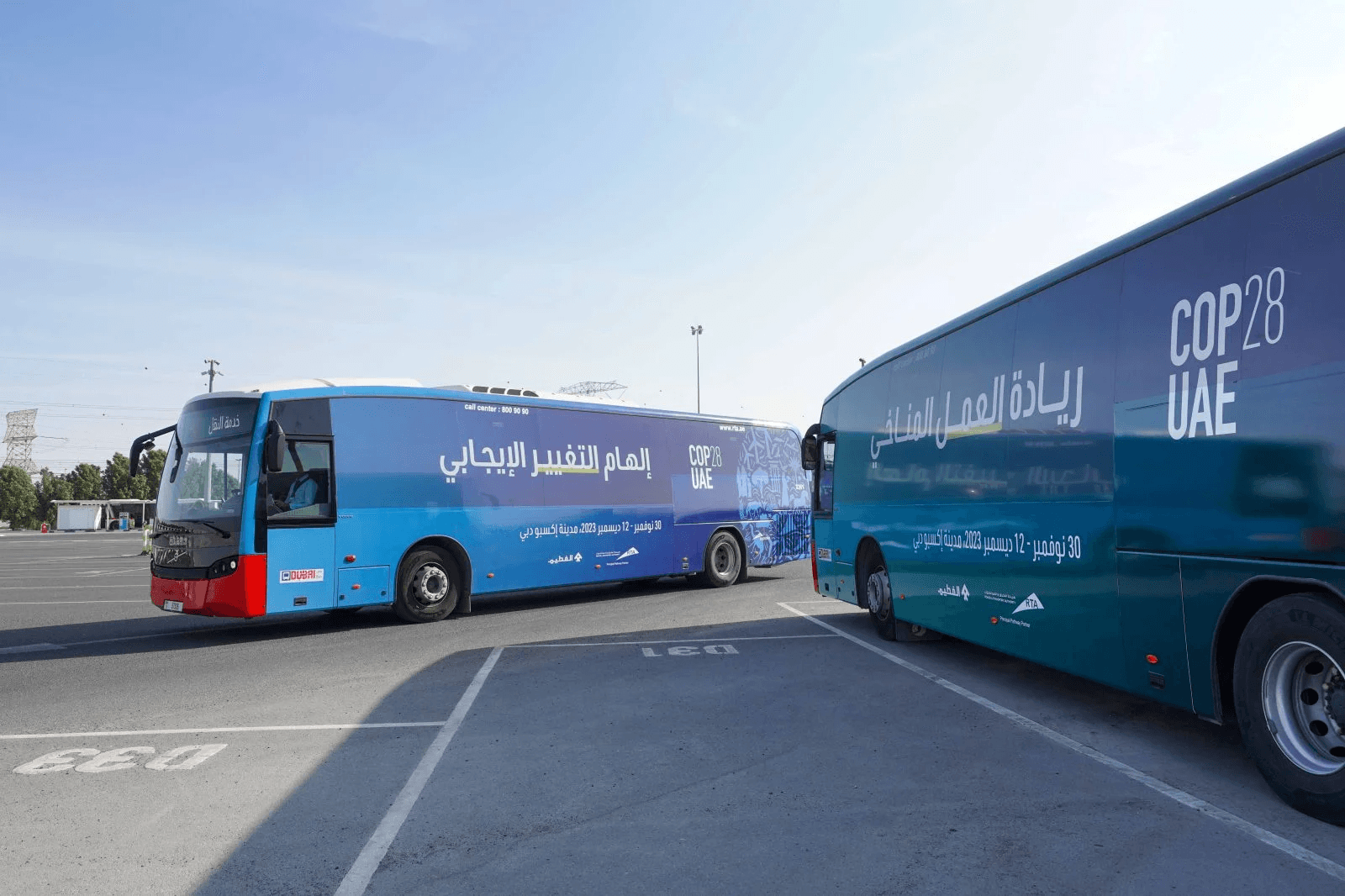
RTA said it will use IBBG benchmarking to evaluate specific operational areas including fleet utilisation, depot productivity, maintenance regimes, on-time performance, network reliability and passenger satisfaction. Sustainability metrics — such as energy efficiency and emissions performance — and financial/ lifecycle management indicators will also form part of the comparative reviews. The authority expects to apply findings to optimise costs, improve service reliability and inform future bus network planning.